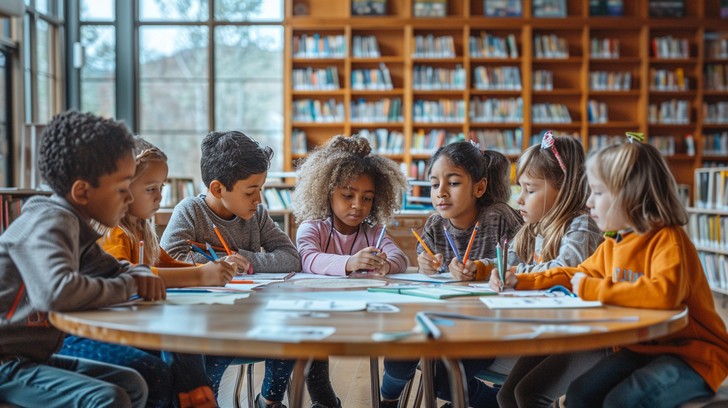
The decline in children's academic results can be a major source of concern for families, as parents often experience feelings of frustration and anxiety when they see lower grades than expected. However, education experts assert that the way parents handle these situations can be crucial in improving their child's future performance.
The Federal Association of Tutoring and After-School Care Centers (VNN) recommends that parents approach their children's results calmly and thoughtfully, focusing on providing the necessary support. It is important to work with the child to enhance their academic level before the end of the year or upcoming exams.
Details of the Situation
Often, parents feel disappointed when they see their children's results, but reprimanding the child will not lead to improved outcomes and may increase their feelings of frustration. Children are often dissatisfied with their performance, making it essential to understand the reasons behind the decline in results.
The reasons can be varied, such as frequent absences from school, difficulties in a particular subject, or even psychological pressures within the family that affect the child's concentration. It is important to give the child the opportunity to express their feelings and thoughts about their academic performance.
Background & Context
Education and psychological support are fundamental factors that affect children's academic performance. Given the challenges faced by students, such as academic pressures and social changes, it becomes essential for parents to collaborate with teachers to provide a positive learning environment.
Steps that can be taken include creating a study plan with the child, which involves identifying the areas they understand well and those that require more effort. This plan should include appropriate educational resources such as books and worksheets, along with setting achievable milestone goals.
Impact & Consequences
It may also be beneficial to enlist a tutor or private teacher to help the child better understand the subjects. The relationship between the child and the teacher should be positive, as the teacher must have the ability to explain clearly and dedicate time to support the child until the end of the academic year.
Support should not only address weaknesses but also celebrate any progress the child makes, no matter how small. For example, if the child manages to understand a difficult problem or shows improvement in a spelling test, that deserves recognition. This type of support boosts the child's self-confidence and motivates them to continue improving.
Regional Significance
This issue is particularly important in the Arab region, where many students face multiple educational challenges. It is essential for families and communities to adopt effective strategies to support children in their educational journeys, contributing to the development of a generation capable of facing future challenges.
In conclusion, parents should remember that showing pride in their children's efforts, even in small steps, is a key factor in enhancing motivation and restoring confidence, which will positively reflect on academic performance in the future.