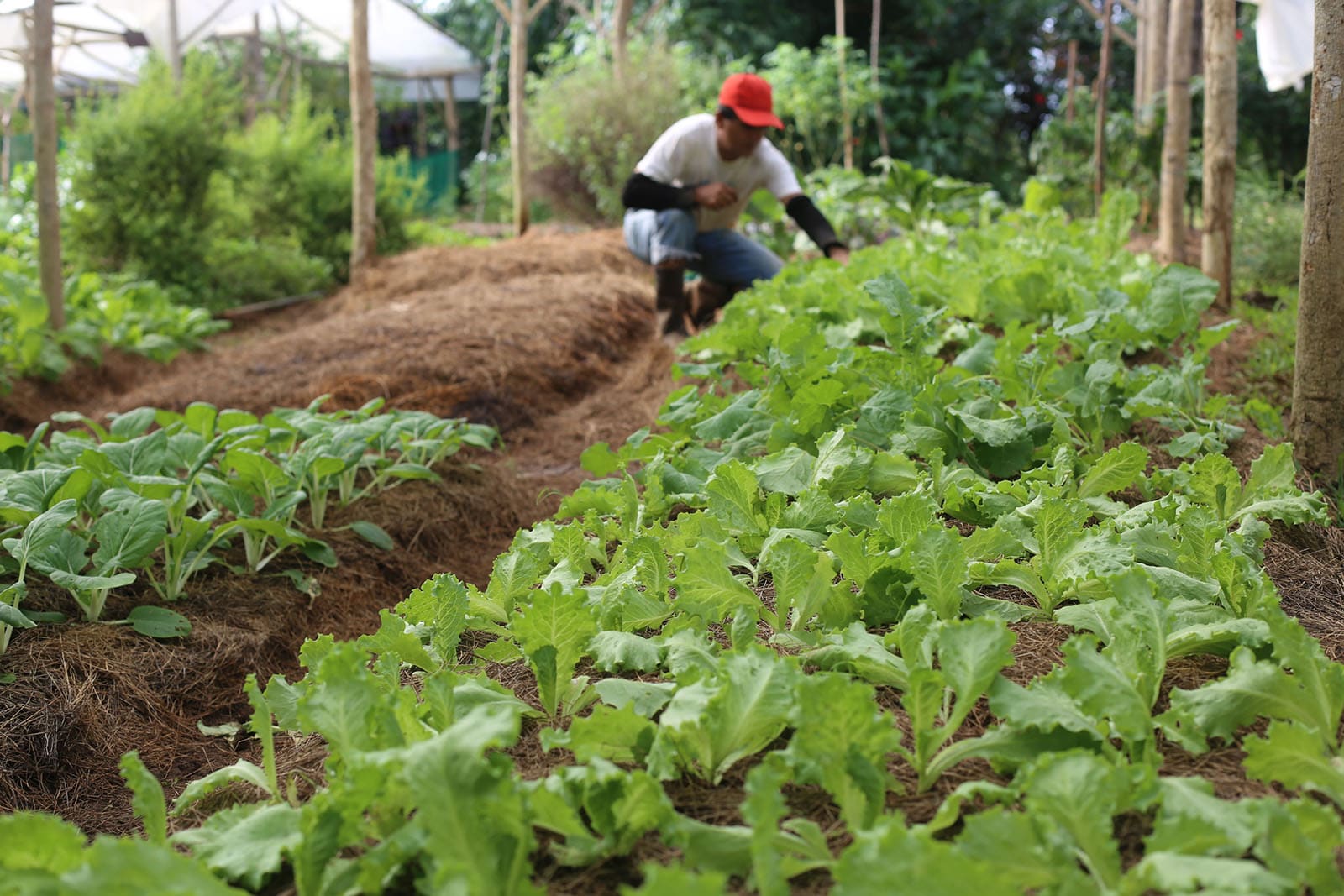
Ivanoch Agusta, the head of the Agricultural and Rural Development Studies Center at the Bogor Agricultural Institute in Indonesia, has revealed the potential application of environmental farming techniques, known as environmental techniques, to reduce agricultural production costs. These statements come at a time when agriculture is suffering from rising production costs due to global conflicts, particularly between Iran, the United States, and Israel.
Agusta explained that the use of environmental farming techniques could reduce the use of chemical fertilizers by up to 30% and pesticides by up to 70%, without affecting productivity. These techniques rely on sustainable agricultural methods aimed at improving the efficiency of agricultural resource use.
Event Details
Pressure is mounting on farmers in Indonesia, where statistics from 2023 show that the number of farmers in the country reaches 27.8 million, of whom 17.25 million are considered smallholder farmers, owning land of less than 0.5 hectares. These farmers are the most affected by rising production costs, making the need for new agricultural techniques more urgent.
Agusta pointed out that the challenges facing farmers are increasing, especially with threats arising from the El Niño phenomenon, which could lead to prolonged droughts. Therefore, the application of environmental farming techniques becomes an urgent necessity to ensure the sustainability of agricultural production.
Background & Context
Historically, agriculture in Indonesia has faced numerous challenges, ranging from climate change to geopolitical conflicts. Current conflicts among major powers directly affect the prices of fertilizers and pesticides, increasing pressure on farmers. According to Agusta, 42.89% of raw materials for fertilizers come from Europe and Arab countries, making Indonesia vulnerable to fluctuations in the global market.
Environmental farming is considered a sustainable alternative that can contribute to reducing reliance on chemicals, thereby enhancing soil and crop health. These methods also empower farmers to face environmental and economic challenges.
Impact & Consequences
Environmental techniques are a step towards achieving food security in Indonesia, as they can help reduce costs and increase productivity. However, strong government support is required to guide farmers towards these new methods. Government policies should include training programs and financial support for farmers to adopt these techniques.
Furthermore, enhancing communication among farmers can contribute to the exchange of experiences and knowledge regarding the use of these techniques. Establishing forums for farmers could positively impact productivity improvement and cost reduction.
Regional Significance
Arab countries also face similar challenges in agriculture, suffering from rising production costs due to conflicts and climatic conditions. Indonesia's experience in applying environmental farming techniques could serve as a model for Arab countries. By promoting sustainable agriculture, Arab nations can reduce reliance on food imports and enhance food security.
In conclusion, the application of environmental farming techniques in Indonesia represents an important step towards achieving agricultural sustainability and reducing costs. Governments and farmers must work together to adopt these methods to ensure a better agricultural future.