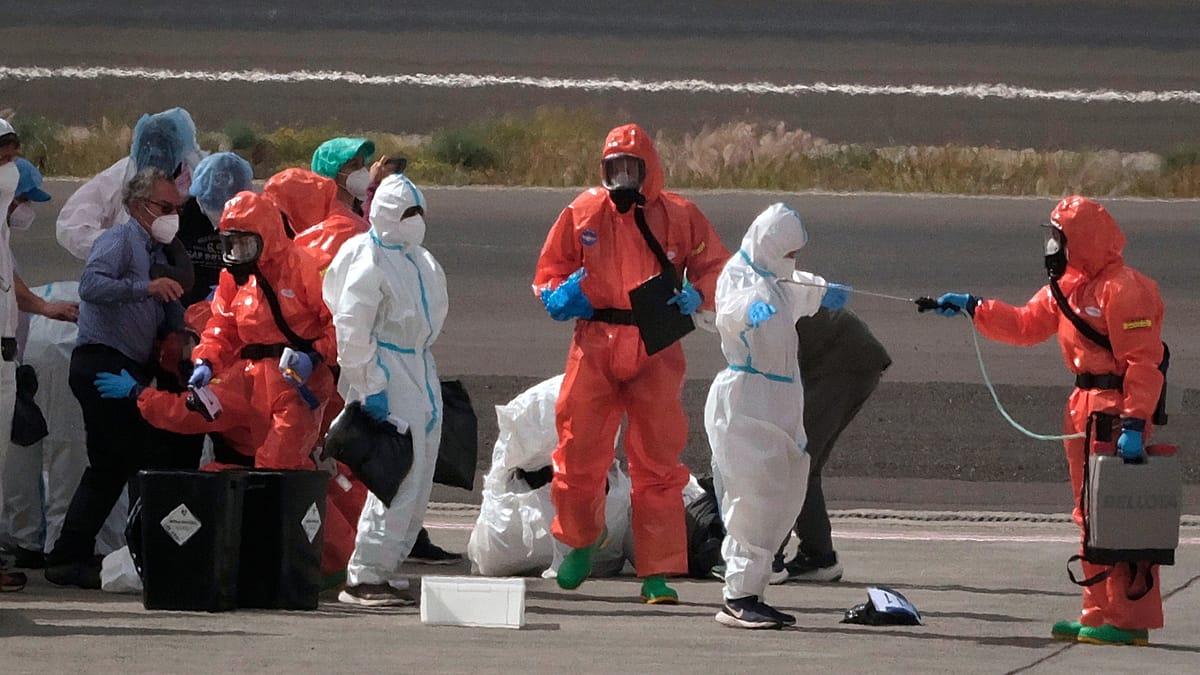
This incident highlights the critical importance of adhering to strict health protocols, especially when dealing with rare diseases such as the Hanta virus. Errors in procedures can lead to severe consequences, not only for the individuals involved but also for public health at large. This case underscores the need for enhanced training and awareness among healthcare workers on how to manage infectious diseases, which could help mitigate future risks.
While this event may seem confined to the Netherlands, it serves as a reminder of the global necessity for preparedness in facing epidemics and infectious diseases. The Arab region is not immune to such threats, and Arab countries must strengthen their health systems to address any emergencies that may arise.
Impact & Consequences
The repercussions of this medical error extend beyond the immediate health risks to the workers involved. The incident has prompted a review of existing health protocols at the hospital, emphasizing the need for rigorous adherence to guidelines when treating patients with infectious diseases. Moreover, the quarantine of the twelve workers is a precautionary measure aimed at preventing any potential spread of the virus.
In addition to the hospital's internal response, this situation has raised alarms within the broader healthcare community. Health authorities are now calling for a reassessment of training programs for medical personnel, particularly in handling rare and potentially dangerous pathogens. The incident serves as a wake-up call for hospitals worldwide to ensure that their staff is adequately prepared to manage similar cases in the future.
Background & Context
The Hanta virus is a rare but serious virus that is typically transmitted through contact with rodent droppings, urine, or saliva. It can lead to severe respiratory issues and other health complications in humans. The patient in this case was evacuated from the cruise ship MV Hondius, where several passengers had reported symptoms consistent with Hanta virus infection.
This incident not only highlights the risks associated with the virus but also the importance of swift and effective medical response in such situations. The cruise ship's passengers were subjected to health screenings, and reports of infections among them have raised concerns about the potential for wider outbreaks.
Regional Significance
The implications of this incident resonate beyond the borders of the Netherlands. The Arab world, with its diverse health challenges, must take heed of the lessons learned from this situation. Countries in the region are urged to enhance their health infrastructure and emergency response capabilities to better handle outbreaks of infectious diseases.
Moreover, international collaboration and knowledge sharing are essential in combating such health threats. The Arab nations can benefit from sharing best practices and strategies for managing public health emergencies, thereby improving their resilience against future outbreaks.
Closing Thoughts
In conclusion, this medical error serves as a crucial reminder of the importance of strict adherence to health protocols and preventive measures to ensure the safety of citizens. As the world continues to grapple with various health challenges, the need for vigilance and preparedness in the face of infectious diseases remains paramount.