Sudanese Army Chief Abdel Fattah al-Burhan has implemented significant changes in military leadership, aiming to address accusations related to Islamist influence within the armed forces. This move comes at a critical time as Sudan faces multiple crises, including internal conflicts and economic challenges.
The announced changes include the restructuring of several leadership positions, with new officers appointed to sensitive roles. This initiative aims to enhance military control and affirm the army's independence from any political influences that could affect its performance.
Details of the Changes
As part of these changes, a number of officers considered loyal to al-Burhan have been appointed, reflecting his desire to form a new leadership that aligns with his military vision. These changes have elicited mixed reactions within political and military circles, with some viewing them as a positive step towards strengthening stability, while others see them as an attempt to consolidate power.
These moves come at a time of increasing political tensions in Sudan, where al-Burhan faces pressure from various political factions, including armed movements and civil groups demanding comprehensive reforms in the country.
Background & Context
Historically, the Sudanese army has witnessed numerous leadership changes, particularly following the revolution that erupted in 2019. This revolution led to the ousting of former President Omar al-Bashir, who enjoyed strong support from the military establishment. Since then, the transitional government has sought to balance power between military and civilian forces.
However, the army has continued to play a pivotal role in Sudanese politics, leading to internal divisions and tensions among various components. The current changes may be an attempt by al-Burhan to rearrange the political landscape amidst these complex circumstances.
Impact & Consequences
These changes could significantly affect Sudan's political future. If al-Burhan succeeds in consolidating his power through these appointments, it may lead to greater military stability, but at the same time, it could provoke discontent among other political forces that feel marginalized.
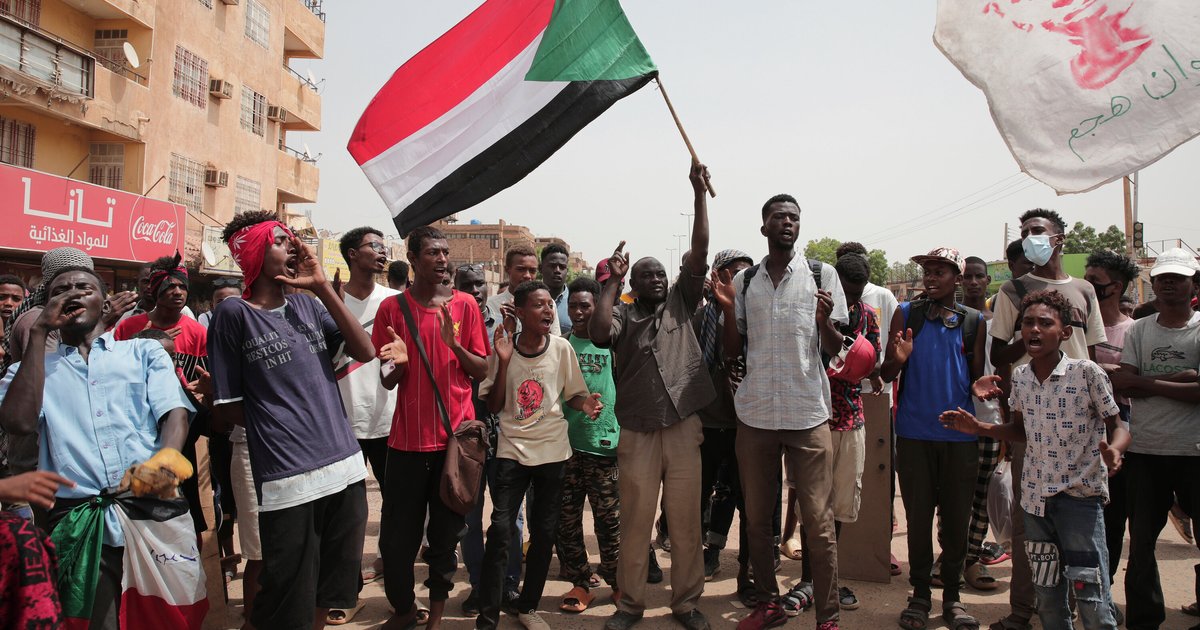
On the other hand, this step could escalate tensions between the army and civil groups, further complicating the political landscape in the country. If these tensions persist, we may witness increased protests and confrontations that could plunge the country back into violence.
Regional Significance
The developments in Sudan are of great importance to the Arab region, as Sudan's stability impacts regional security. Any escalation in the situation could have repercussions for neighboring countries, especially given the security challenges facing the region.
Moreover, any changes in military leadership could affect relations between Sudan and other Arab nations, particularly those with strategic interests in the country. Therefore, monitoring these developments will be essential to understanding future trends in Sudanese politics.
In conclusion, the changes implemented by al-Burhan in military leadership reflect his attempts to adapt to the changing circumstances in Sudan. However, the question remains regarding his success in achieving the desired stability amidst increasing challenges.