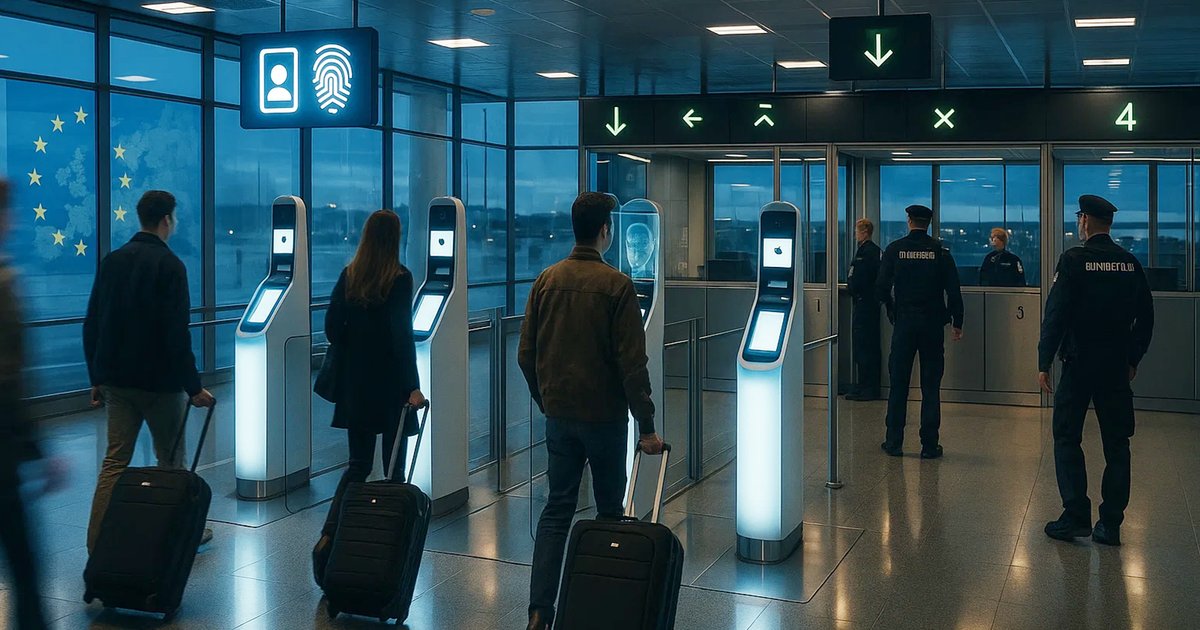
The European Union is preparing to implement a new entry and exit system starting April 10, which aims to improve border monitoring procedures and enhance security. This system is part of the EU's efforts to facilitate the movement of travelers while maintaining a high level of safety.
The new system will involve the use of advanced technologies to record the entry and exit of individuals to and from EU countries, making monitoring easier and reducing the time spent at border crossings. This system will also assist in collecting accurate data on traveler movement, thereby enhancing the ability to address security threats.
Details of the New System
The new entry and exit system will feature advanced electronic gates, allowing travelers to register their entries and exits quickly and easily. Additionally, traveler data will be utilized to streamline monitoring procedures, contributing to reduced congestion at border crossings.
This system is expected to improve the travel experience within EU countries by minimizing wait times, thus enhancing the efficiency of traveler movement. It will also aid in strengthening cooperation among member states in the area of security information exchange.
Background & Context
The implementation of this system comes amid increasing security challenges faced by EU countries, particularly following a series of terrorist attacks that targeted several European capitals. Recent events have highlighted the urgent need to bolster security measures at borders.
Furthermore, this system represents part of a broader strategy to enhance cooperation among member states in the fields of security and counter-terrorism, as the EU seeks to strike a balance between facilitating traveler movement and ensuring their safety.
Impact & Consequences
The new entry and exit system is expected to have a significant impact on tourism and trade within the EU. It will attract more tourists from outside the union, thanks to the streamlined procedures it offers.
This system may also contribute to boosting the European economy by increasing trade flows among member states, reflecting the importance of security cooperation in supporting economic growth.
Regional Significance
The implementation of this system in the EU holds particular significance for Arab countries, as many Arab citizens travel to Europe for tourism or work purposes. Therefore, improving entry and exit procedures could facilitate the movement of these travelers.
Moreover, security cooperation between European and Arab countries could enhance regional security, opening new avenues for collaboration in various fields.
As the new entry and exit system is set to be implemented, the European Union looks forward to strengthening border security and facilitating traveler movement, reflecting its commitment to achieving a balance between safety and freedom of movement.