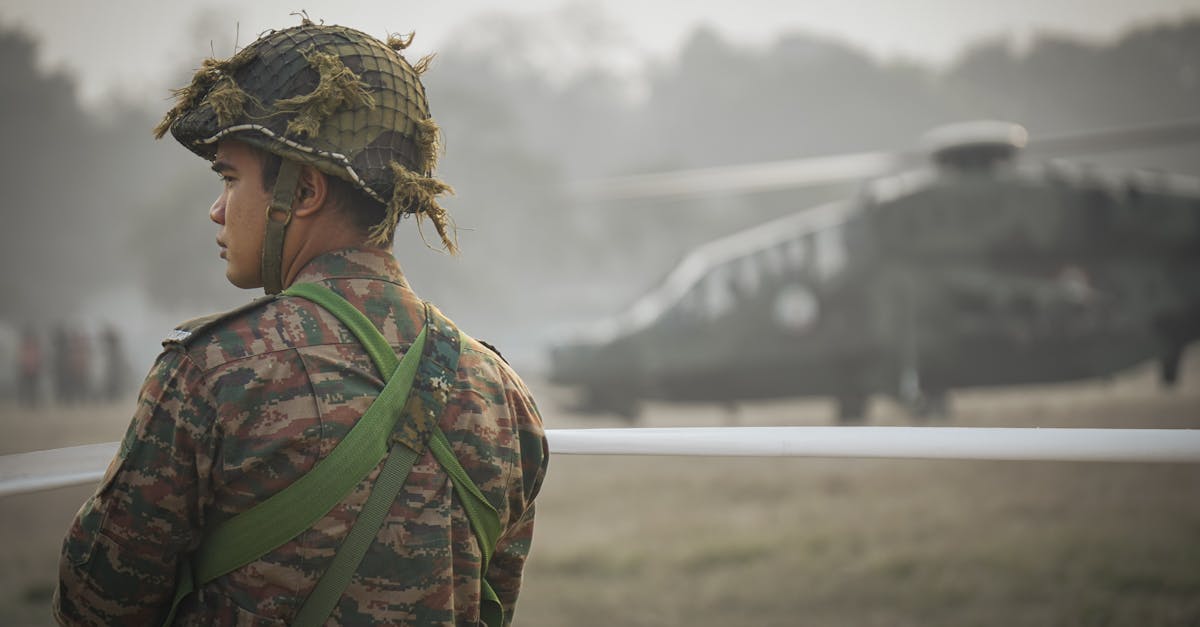
In a move that reflects an increasing awareness of security challenges, Indonesian Parliament Defense Committee member Amelia Angraini confirmed that the directives from the Indonesian Army Chief, General Agus Subiyanto, aimed at protecting Indonesian soldiers serving in peacekeeping forces in Lebanon, represent a strategic response to the rising tensions in the area.
She explained that these instructions come at a time when the region is experiencing heightened tensions, necessitating precautionary measures to ensure the safety of the troops. This step underscores Indonesia's commitment to safeguarding its forces amid changing circumstances.
Details of the Incident
These statements follow the tragic deaths of three Indonesian soldiers while performing their duties as part of the United Nations forces in Lebanon, which elicited strong reactions from the Indonesian government. Indonesian President Prabowo Subianto condemned the incident, stating that the loss of these soldiers is a significant blow to the nation.
The President also called for the enhancement of security measures to protect the soldiers, emphasizing the importance of regularly assessing the security situation to ensure the safety of the forces. He reaffirmed that Indonesia will continue to play its role as a supporter of peace worldwide, despite the challenges it faces.
Background & Context
Historically, Indonesia has participated in international peacekeeping operations since 1950, sending its troops to various conflict-affected regions. Indonesia is considered one of the largest contributors to United Nations peacekeeping forces, reflecting its commitment to contributing to global stability.
As conflicts in the Middle East escalate, it has become essential for contributing countries to adopt effective strategies to protect their soldiers. Recent years have seen an increase in tensions in Lebanon, complicating the situation further.
Impact & Consequences
Incidents such as the deaths of soldiers can have negative repercussions on Indonesia's reputation in the international community, as it may be perceived as unable to protect its forces. Therefore, taking swift and effective actions to safeguard the soldiers is vital for maintaining Indonesia's standing as a peace supporter.
Moreover, enhancing security measures may help improve morale among the soldiers and increase their confidence in leadership, positively impacting their performance in assigned missions.
Regional Significance
The Arab region is significantly affected by tensions in Lebanon, as it serves as a meeting point for various regional and international powers. The stability of Lebanon is crucial for regional security, and any escalation in the conflict can impact neighboring countries.
Although Indonesia is not a neighboring country, its role as a peacekeeping force can influence relations between Arab and Asian countries, fostering cooperation in security and peace initiatives.
In conclusion, it is evident that the Indonesian leadership's directives to protect soldiers in Lebanon are not merely a reaction to a specific incident but are part of a comprehensive strategy to ensure the safety of its forces and enhance Indonesia's role in the international community as a peace supporter.