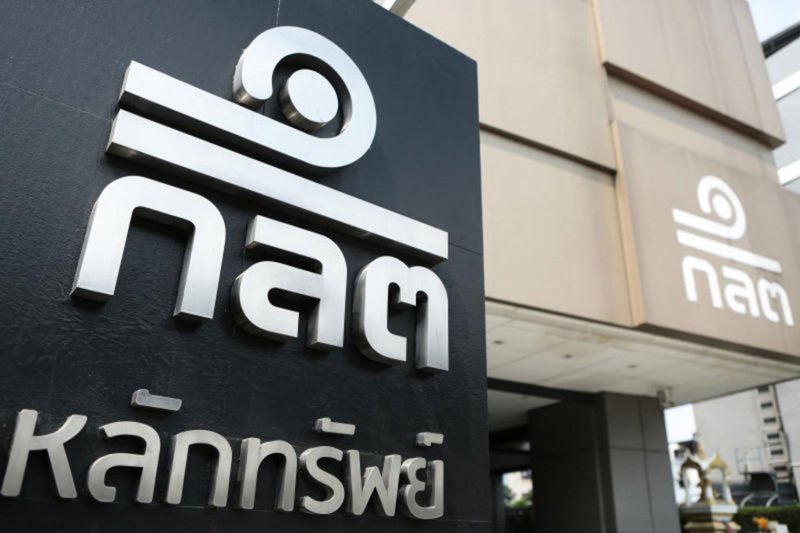
The Securities and Exchange Commission has announced a series of new measures aimed at combating financial fraud, targeting the phenomenon of 'grey capital' and fraudulent networks. These actions come in response to the rising cases of fraud on digital platforms, threatening economic stability.
The new strategy includes five key measures designed to enhance oversight of financial markets, implement stricter customer identity verification procedures, and strengthen cooperation among various government entities to combat these phenomena.
Details of the New Measures
The new measures involve enhancing Know Your Customer (KYC) requirements and auditing customer information, where financial companies will need to verify customers' income and professions more accurately. Additional measures will be imposed on suspicious accounts, including reporting irregular transactions to the Anti-Money Laundering Office.
The measures also include strict restrictions on deposit and withdrawal operations, delaying high-risk transactions, and utilizing advanced KYC systems to detect fraudulent accounts. The commission will expand its oversight to include major shareholders and beneficial owners of licensed entities.
Background & Context
Cases of financial fraud have significantly increased in recent years, particularly with the widespread adoption of digital platforms that facilitate investment. This phenomenon has led to substantial financial losses for many investors, prompting regulatory bodies to take serious steps to address these challenges.
Historically, there have been previous attempts to combat fraud, but ongoing challenges and technological advancements have made it necessary to update strategies and systems to keep pace with these changes.
Impact & Consequences
The commission expects these measures to enhance investor confidence in financial markets, potentially leading to increased investments and improved economic stability. Furthermore, enhancing transparency in financial operations will help reduce risks associated with fraud.
These measures are anticipated to improve coordination among various government entities, thereby enhancing the effectiveness of fraud prevention efforts and reducing the likelihood of its occurrence in the future.
Regional Significance
These measures serve as a model that Arab countries can benefit from in strengthening their financial systems. With the increasing use of technology in investment, Arab markets need to develop similar strategies to address the challenges of financial fraud.
These measures could contribute to improving the investment environment in the region, thereby attracting foreign investments and boosting economic growth.