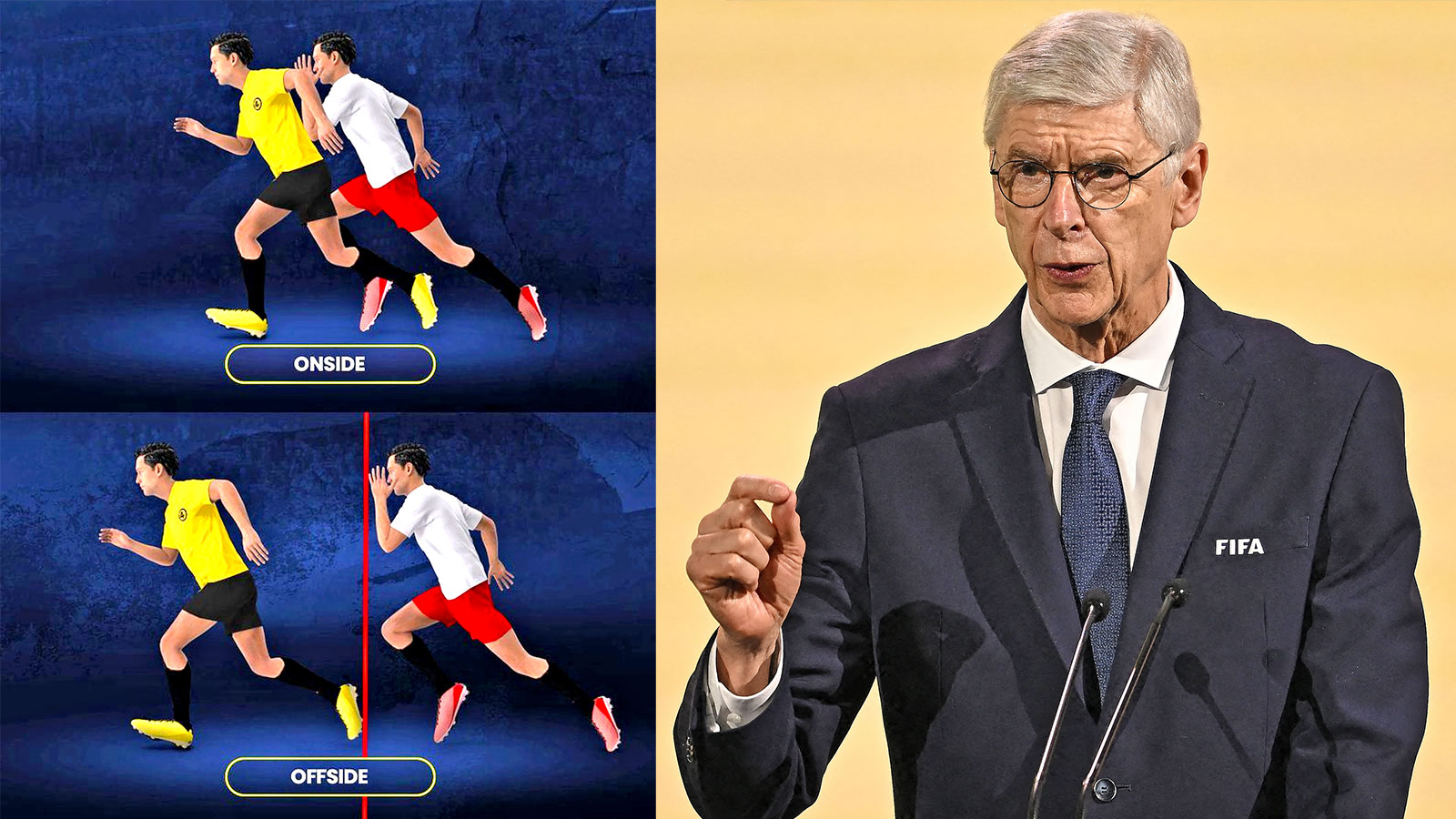
In a new initiative aimed at enhancing the football experience, FIFA tested the new Wenger offside rule on Saturday during the opening match of the Canadian Premier League season. This rule is designed to accelerate the pace of play and reduce controversy surrounding offside decisions, thereby boosting offensive performance.
This rule comes as part of FIFA's efforts to minimize delays caused by video reviews, having been applied for the first time in a match between defending champions Atlético Ottawa and Forge FC. This experiment has generated significant interest among fans, as video technology was used to review a penalty decision, highlighting the importance of this rule in changing how matches are managed.
Details of the Event
The new rule allows for no offside to be called if any part of the attacker's body that can score a goal is level with the last defender. Additionally, an infringement is only counted if the attacker is clearly ahead of the defender. This concept has been advocated by former Arsenal manager Arsène Wenger, who currently serves as FIFA's Chief of Global Football Development, arguing that this rule will alleviate frustration stemming from marginal decisions.
During the match, the initial review took over five minutes, as the officiating crew assessed two potential offside situations, along with a possible foul in the build-up to the attack that led to the penalty. Nevertheless, the subsequent offside decision did not affect the flow of the game, demonstrating the effectiveness of the new rule in maintaining the pace of play.
Background & Context
This experiment is part of FIFA's ongoing efforts to develop the game and provide innovative solutions to officiating issues. In recent years, global football has witnessed extensive debate over offside decisions, prompting many federations to seek ways to improve decision accuracy and reduce delays. Previous experiments have shown that the use of video technology can significantly impact match outcomes, necessitating the need to evolve offside laws.
It is noteworthy that the system used in Canada is not the conventional Video Assistant Referee (VAR) system, but rather a video support model introduced by FIFA, reflecting FIFA's desire for innovation and renewal in the world of football.
Impact & Consequences
The implementation of this rule comes at a sensitive time for football, as many seek to enhance match quality and increase excitement. However, there are concerns that this change may have negative effects on defenders' performance, potentially leading them to adopt more cautious positions. Some analysts believe that this change could open the door to more attacking opportunities, intensifying competition among teams.
Despite the potential challenges, the Canadian experiment represents a bold step towards improving the game and may encourage other federations to adopt similar rules in the future. This rule could lead to a reevaluation of teams' strategies regarding how they defend and attack.
Regional Significance
The Canadian experience in applying the Wenger offside rule serves as a model that could benefit Arab leagues. With the growing interest in football in the region, there may be a need to adopt such laws to enhance match quality and increase excitement. These experiments could lead to the development of the game in Arab countries, boosting competition levels and attracting more fans.
In conclusion, the experience of implementing the Wenger offside rule in the Canadian league represents an important step towards improving football and may open new horizons for the game in the future.