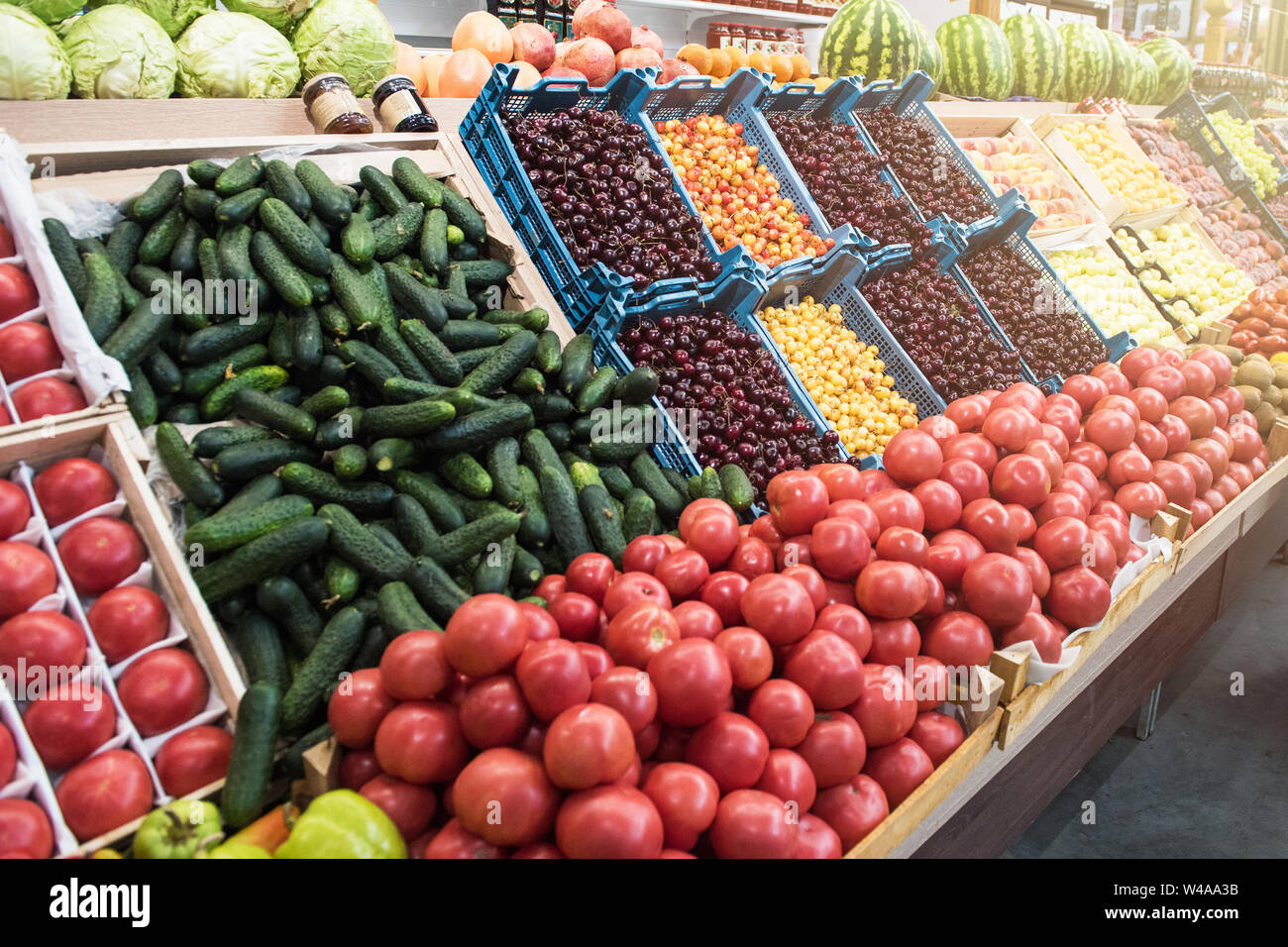
Governments in many Arab countries are striving to impose price ceilings on vegetables as a measure to confront the phenomenon of monopolies and ensure market balance. These actions come in light of rising food prices, which alarm consumers and increase pressure on low-income households.
There are growing concerns that monopolies could exacerbate the price crisis, as a few traders dominate the market, allowing them to unfairly control prices. Studies have shown that monopolies in the vegetable sector can lead to price increases of up to 30%, negatively affecting the purchasing power of citizens.
Details of the Initiative
Recently, some governments announced plans to set prices for essential vegetables such as tomatoes, potatoes, and onions. These plans include mechanisms for monitoring prices and imposing penalties on violators. Specialized committees have also been formed to oversee the implementation of these policies and ensure that traders do not exploit consumers.
The measures also involve enhancing local production by supporting farmers and providing them with financial facilities, which helps increase the supply of vegetables in the market. Some governments have expressed their readiness to offer technical and financial support to farmers to improve crop quality and increase productivity.
Background & Context
Historically, vegetable markets in many Arab countries have experienced significant price fluctuations due to various factors, including climate changes, ineffective agricultural policies, and rising production costs. This has led to the prevalence of monopolies, where a few traders control the market, hindering competition and negatively impacting consumers.
In recent years, governments have begun to recognize the importance of addressing this issue, taking serious steps toward improving market transparency and enhancing competition. However, challenges remain, especially amid the difficult economic conditions faced by many countries.
Impact & Consequences
If governments successfully implement price ceilings effectively, it could lead to price stabilization and improved purchasing power for citizens. Additionally, enhancing local production may reduce reliance on imports, thereby strengthening the national economy.
However, there are concerns that these policies could have negative effects on farmers, who may find themselves unable to cover production costs. Therefore, it is crucial to have effective support mechanisms for farmers to ensure they are not adversely affected by these policies.
Regional Significance
The issue of monopolies in the vegetable market is a sensitive topic affecting many Arab countries. Rising prices can exacerbate social and economic crises, necessitating urgent government intervention. The success of these policies in one country may encourage others to adopt similar strategies, contributing to overall economic improvement.
In conclusion, controlling vegetable prices and combating monopolies remain complex issues that require comprehensive strategies and cooperation among governments, farmers, and traders. Achieving market balance demands ongoing efforts to ensure the rights of both consumers and farmers are upheld.