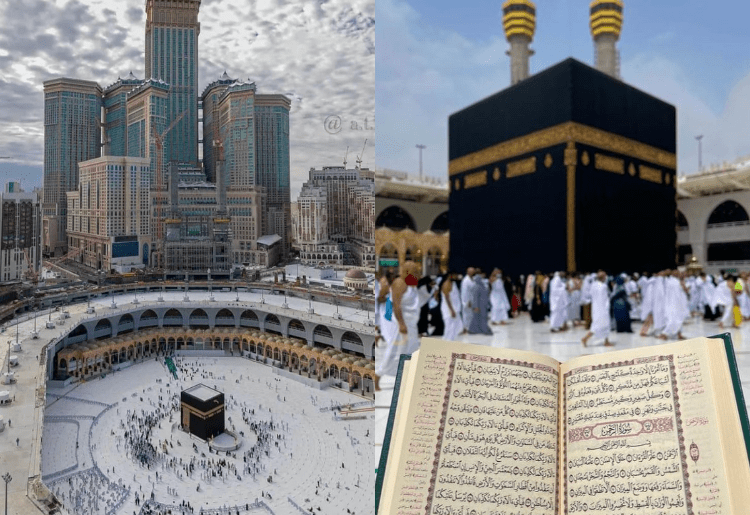
The Saudi Ministry of Interior has imposed new restrictions preventing entry and exit from three major cities as part of its ongoing efforts to combat the spread of the novel coronavirus. These measures come at a sensitive time as the Kingdom seeks to maintain the health and safety of its citizens and residents.
The imposed restrictions include the specified cities, with details of these measures announced via the official account of the Ministry of Interior on Snapchat. The ministry confirmed that this step is part of a series of precautionary measures aimed at limiting gatherings and curbing the spread of the virus.
Details of the Restrictions
According to the published information, the restrictions on entry and exit from the three cities involve strict measures including security checkpoints, where traffic will be monitored closely. It has also been confirmed that these measures will last for a specified period, with the possibility of review based on the health situation in the country.
This step follows a noticeable increase in the number of COVID-19 cases in certain areas, prompting the government to take additional precautionary measures. The importance of adhering to preventive measures such as wearing masks and practicing social distancing has been emphasized.
Background & Context
Historically, the Kingdom of Saudi Arabia has experienced several waves of COVID-19 outbreaks, leading the government to make a series of tough decisions to protect public health. Since the onset of the pandemic, the Kingdom has been among the countries that took swift action to limit the spread of the virus, including imposing curfews and closing certain business activities.
These measures are part of a comprehensive strategy aimed at protecting public health, with extensive awareness campaigns conducted for citizens regarding the importance of adhering to preventive measures. The healthcare system in the country has also been strengthened to accommodate any potential increase in case numbers.
Impact & Consequences
These restrictions are expected to impact economic activity in the affected cities, as many citizens rely on mobility for work and trade purposes. These measures may lead to a reduction in commercial activity in some sectors, necessitating the government to take additional steps to support the local economy.
Despite this, maintaining public health is the top priority, as any increase in the number of infections could exacerbate the health situation and increase pressure on the healthcare system. Therefore, these measures are deemed necessary at this time.
Regional Significance
The Saudi experience in combating COVID-19 serves as a model for the Arab region, as many countries are following similar policies in an attempt to limit the spread of the virus. The success or failure of these measures may influence other countries' responses to the pandemic, making it crucial to monitor the situation closely.
Additionally, these restrictions may affect travel and trade between Arab countries, as everyone strives to maintain their safety and the safety of their populations. Cooperation among countries in sharing information and experiences will play a significant role in addressing future health challenges.
In conclusion, the health of citizens and residents in the Kingdom of Saudi Arabia remains a top priority, and these measures are part of ongoing efforts to combat COVID-19. Everyone must adhere to health guidelines to ensure their safety and the safety of the community.