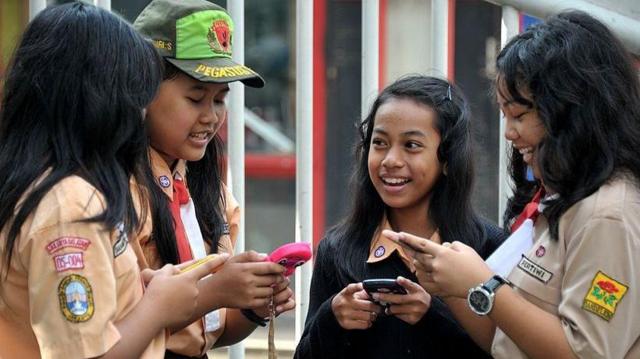
The regent of Banyumas, Sadyo Tri Lastiono, announced plans to impose restrictions on social media use for children to create a safer digital environment. This initiative is part of the implementation of the Child Protection Law in the digital space approved by the Indonesian government. Lastiono explained during a speech in Purwokerto that this step aims to reduce the risks children face in the digital world.
Lastiono indicated that the local government is working on developing policies to support the implementation of this law, including subsidiary regulations such as Government Regulation No. 17 of 2025, which pertains to the management of electronic systems for child protection. These policies also include regulations issued by the Ministry of Communication and Information.
Details of the Initiative
In his remarks, Lastiono emphasized that social media restrictions could help reduce children's exposure to negative content, such as cyberbullying and inappropriate interactions. He clarified that the local government seeks to engage various stakeholders to ensure the effectiveness of these policies.
He also pointed out that the phenomenon of social media misuse by children has become common in the Banyumas region, necessitating well-considered preventive measures. He expressed hope that the new law would contribute to enhancing the protection of children from digital risks.
Background & Context
Indonesia is one of the countries that has witnessed a significant increase in social media usage among children and youth. With the rising risks associated with this usage, such as exposure to harmful content and bullying, it has become essential to take action to protect the most vulnerable groups. The Indonesian government has enacted the Child Protection Law in the digital space as part of its efforts to enhance children's safety in the digital world.
This law aims to provide a legal framework for protecting children from risks associated with internet use and includes a range of measures requiring internet service providers and social media platforms to take steps to protect young users.
Impact & Consequences
The Indonesian government expects these restrictions to contribute to reducing negative incidents associated with social media use, such as cyberbullying and sexual abuse. Additionally, this move may open the floor for further discussions on how to protect children in the digital space on a global level.
Moreover, these policies are likely to influence how technology companies handle children's data, potentially leading to changes in how digital services are designed and delivered.
Regional Significance
The issue of protecting children in the digital space is also critical in Arab countries, where social media usage among youth has increased. Arab nations could benefit from Indonesia's experience in establishing effective policies for child protection, especially in light of the growing challenges associated with technology.
It is crucial for Arab countries to develop similar strategies to ensure children's safety in the digital space, reflecting their commitment to protecting children's rights and fostering a safe digital environment.