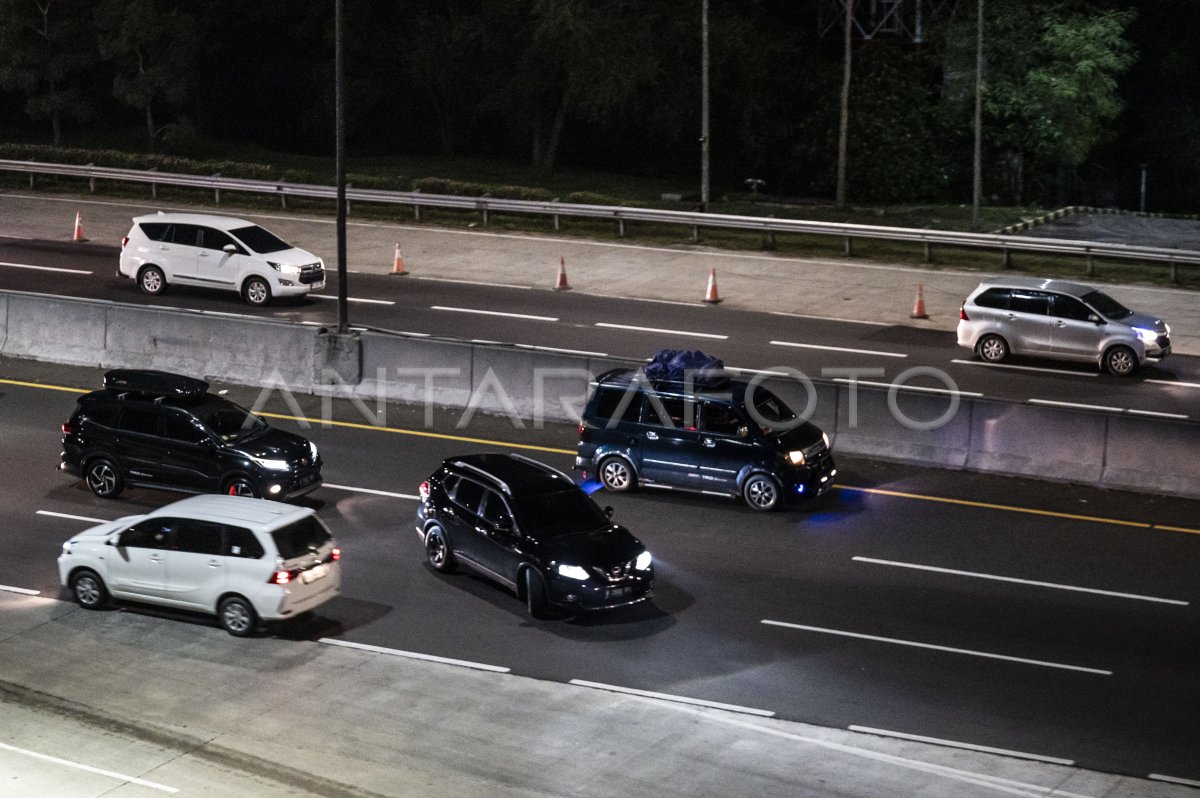
The Jakarta-Cikampek road witnessed noticeable congestion during the return from the Easter holiday on Sunday, necessitating intervention from authorities to implement a reverse traffic system. Ria Marlinda Palo, the Deputy Head of Public Relations and Law at PT Jasamarga Transjawa Tol, announced that this measure was based on a decision from the police.
The reverse traffic system is a technique aimed at alleviating congestion by utilizing a lane from the opposite direction to allow vehicles to pass in the more congested direction. This system was implemented from kilometer 55 to kilometer 47 towards Jakarta, starting at 16:36 local time in Indonesia.
Details of the Event
This step is part of the authorities' efforts to maintain smooth traffic flow and ensure driver safety. Ria Marlinda indicated that the implementation of the reverse traffic system is a strategic move to address the significant increase in traffic during the Easter holiday.
The company confirmed that it is working in collaboration with the police to monitor traffic in real-time and take necessary measures to ensure vehicles move safely and orderly. Drivers have been advised to organize their travel times and check the condition of their vehicles before entering the highway.
Background & Context
Historically, the Easter holiday is one of the periods that sees a significant increase in traffic in Indonesia, as many citizens travel to their hometowns to celebrate with their families. This congestion requires special measures from authorities to ensure everyone's safety.
Highways in Indonesia, such as the Jakarta-Cikampek road, are among the most congested, especially during holidays. Therefore, implementing systems like reverse traffic is essential for alleviating congestion and improving the travel experience.
Impact & Consequences
The implementation of the reverse traffic system has positive effects on traffic, as it helps reduce waiting times and increases driver safety. Additionally, these measures reflect the authorities' ability to effectively manage traffic crises.
Moreover, improving traffic can contribute to enhancing the local economy by facilitating the movement of goods and people, thereby boosting commercial activity in surrounding areas.
Regional Significance
Indonesia's experience in managing traffic during holidays serves as an important lesson for many Arab countries facing similar challenges. Arab nations can benefit from these strategies to improve their traffic systems and alleviate congestion during national and religious events.
In conclusion, the implementation of the reverse traffic system represents a positive step towards enhancing the travel experience in Indonesia and reflects the authorities' commitment to ensuring citizen safety.