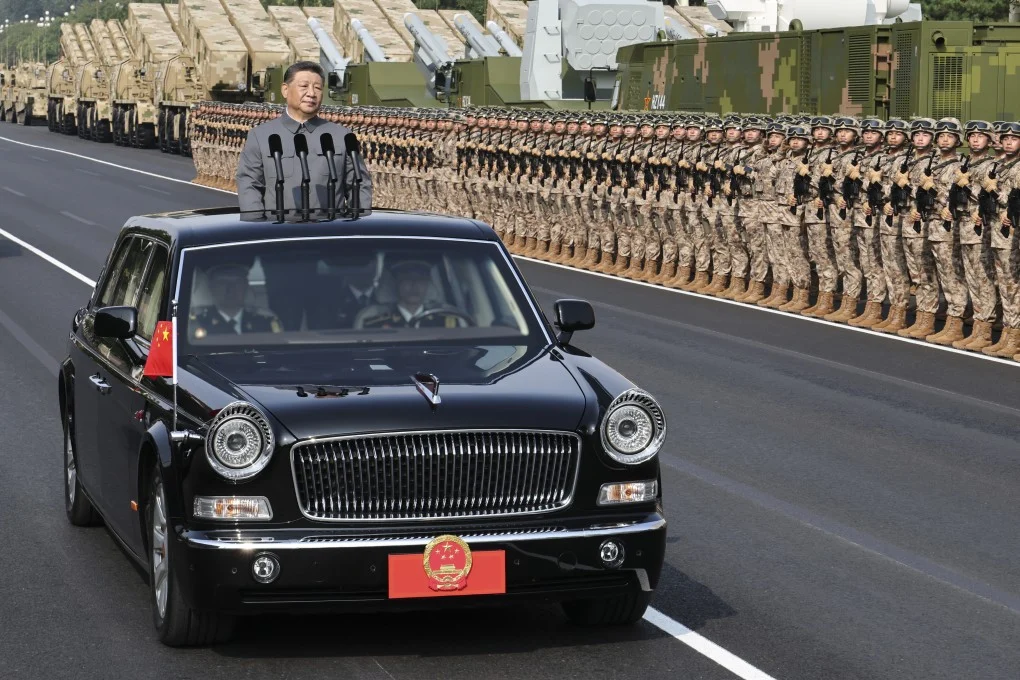
The Chinese military leadership, represented by the Central Military Commission, has introduced new rules aimed at enhancing discipline among senior officials in the People's Liberation Army. These measures, recently announced, are part of President Xi Jinping's efforts to strengthen control over the conduct of high-ranking military personnel.
The new rules include stringent directives regarding education, management, and oversight of senior officers, marking a significant step in a broader campaign to combat corruption and enhance discipline within the military institution. According to the official Xinhua News Agency, these measures aim to ensure that officers adhere to the highest standards of professional and ethical conduct.
Details of the New Regulations
The new regulations encompass a series of measures focused on enhancing continuous education and training for senior officers, along with more effective oversight mechanisms. These measures also provide clear guidelines on how to address potential violations and misconduct, reflecting the military leadership's commitment to combating corruption and promoting transparency.
This initiative follows a series of investigations targeting high-ranking military officials, resulting in arrests and dismissals within the army. This move is seen as part of a broader strategy aimed at reinforcing President Xi Jinping's political and military control.
Background & Context
In recent years, China has witnessed an intensive anti-corruption campaign that has encompassed all aspects of government, including the military. Since Xi Jinping assumed power in 2012, numerous senior officers have been dismissed on charges of corruption and misconduct. This campaign aims to rebuild trust in the military and enhance officers' loyalty to the political leadership.
Historically, the Chinese military has played a significant role in Chinese politics, with the People's Liberation Army being one of the foundational pillars of the communist regime. However, corruption within the military poses a threat to the stability of the regime, prompting the leadership to take stringent measures.
Impact & Consequences
These new measures are considered a crucial step in enhancing discipline within the military and may lead to improved military performance in the future. However, they may face challenges in implementation, especially given the existing culture of corruption and favoritism.
These measures could also affect the relationship between the military and the public, as the army seeks to regain public trust. Furthermore, enhancing discipline may help improve China's image on the international stage, where corruption is viewed as an obstacle to sustainable development.
Regional Significance
As Arab countries seek to enhance their military capabilities, China's experience in combating corruption within its military could serve as a model. Strengthening discipline and transparency can contribute to building more efficient and reliable armed forces.
Moreover, military relations between China and Arab countries may evolve, as Arab nations could benefit from Chinese expertise in enhancing discipline and transparency within their own armies.