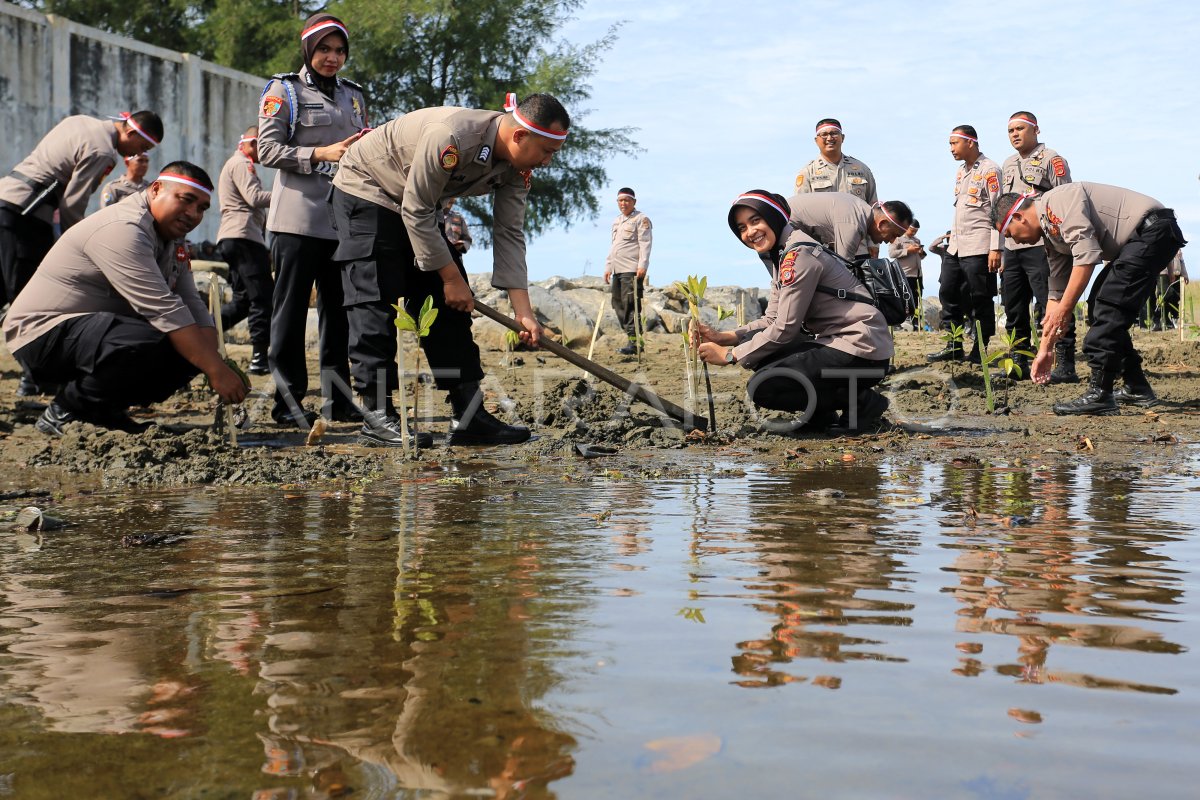
In a significant move aimed at protecting the marine environment, Professor Mustain, Vice President of Syiah Kuala University in Aceh, announced the importance of the sustainable fishing system known as 'Silvofishery' as an effective solution for preserving the region's mangrove forests. This announcement came during an international workshop on the system, where the necessity of integrating economic development with environmental conservation was emphasized.
Professor Mustain explained that the 'Silvofishery' system allows for the restoration of mangrove forests while continuing sustainable aquaculture activities, thus supporting the local economy. He stressed that these forests are not merely coastal trees; they play a vital role as natural protection and as a center for biodiversity.
Event Details
The workshop titled 'From Restoration to Sustainability: Integrating Mangroves with Aquaculture through the Silvofishery System' was held in the Veterinary Medicine Faculty hall at Syiah Kuala University. Researchers from Kangwon National University in South Korea participated in the event, adding an international dimension to the discussions on this topic.
During the workshop, challenges facing mangrove forests were addressed, including climate change, pollution, and unsustainable aquaculture practices. Professor Mustain highlighted the importance of finding comprehensive solutions that enhance the sustainability of these forests.
Background & Context
Historically, mangrove forests have been considered crucial ecosystems that protect coastlines and support biodiversity. However, these forests are facing increasing threats due to human activities such as land conversion and pollution. In this context, the 'Silvofishery' system serves as a bridge connecting the need for environmental restoration with the economic needs of local communities.
Aceh is a region rich in marine resources, but it is also vulnerable to environmental degradation. Therefore, Syiah Kuala University bears a significant responsibility in promoting research that contributes to the protection of these resources.
Impact & Consequences
The 'Silvofishery' system is viewed as a strategic step towards achieving a balance between economy and environment. If implemented correctly, it could improve the quality of life for coastal communities and enhance the sustainability of marine resources. It also demonstrates how scientific research can translate into practical policies that benefit society.
Professor Mustain indicates that the future of coastal areas depends on the choices made today. If the focus continues to be on quick profits, communities may face significant risks in the long term.
Regional Significance
The Aceh experience serves as a model for Arab countries facing similar challenges in marine environmental conservation. Arab nations can benefit from this experience in developing sustainable aquaculture systems that enhance the protection of their coastlines and support local economies.
In conclusion, the 'Silvofishery' system illustrates how environmental and economic dimensions can be integrated to achieve sustainable development, providing an important lesson for all countries seeking to protect their natural resources.