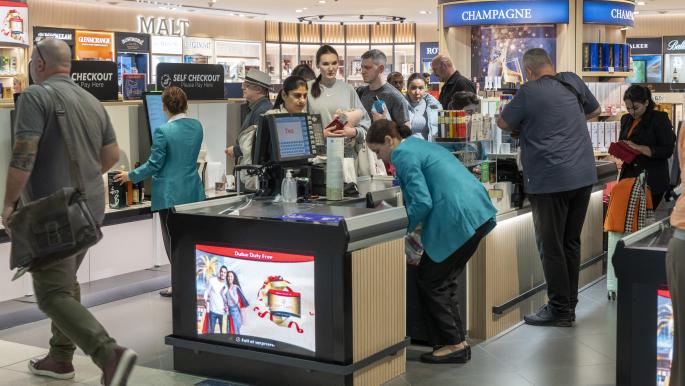
The aviation and hospitality sectors in the Gulf region are among the most affected by the current geopolitical and economic crises. The repercussions of conflicts and wars have resulted in a partial paralysis of navigation corridors, negatively impacting travel and tourism in the area.
The Gulf countries are seeking effective solutions to overcome these challenges, among which is the proposal for a unified visa. This visa aims to facilitate the movement of tourists between the Gulf Cooperation Council (GCC) countries, potentially contributing to the recovery of the tourism sector that is suffering from the effects of these crises.
Event Details
Reports indicate that the unified visa could be a strategic step to enhance cooperation among Gulf states. It could attract more tourists from various parts of the world and simplify entry and exit procedures. This idea has been discussed in several ministerial meetings, where member states have shown significant interest in its implementation.
Despite the challenges facing this initiative, there is considerable optimism regarding its feasibility. Studies have shown that tourism represents a primary source of revenue in many Gulf countries, making it essential to work on developing this sector.
Background & Context
Historically, the Gulf region has witnessed notable growth in the tourism sector, especially after hosting many major international events. However, the political and economic crises that have plagued the region in recent years have led to a significant decline in tourist numbers. Therefore, returning to pre-crisis levels requires new and innovative strategies.
The unified visa is part of a broader vision aimed at enhancing economic integration among Gulf states. Member countries are striving to strengthen cooperation in various fields, including tourism, trade, and investment.
Impact & Consequences
If the unified visa is implemented, it could lead to a substantial increase in the number of tourists coming to the region, positively reflecting on the local economy. This step could also enhance the Gulf's status as a preferred tourist destination worldwide.
Furthermore, the unified visa could strengthen relations among member states, potentially leading to greater stability in the region. In light of the current crises, regional cooperation is essential to ensure security and prosperity.
Regional Significance
The Gulf region is a vital hub for tourism in the Arab world, attracting many tourists from various nationalities. Enhancing tourism in the Gulf can have a positive impact on other Arab countries, as it can contribute to cultural exchange and strengthen relationships among peoples.
In conclusion, the implementation of the unified visa represents a step towards a better future for the tourism sector in the Gulf. As challenges continue, hope remains pinned on this initiative to achieve the desired recovery.