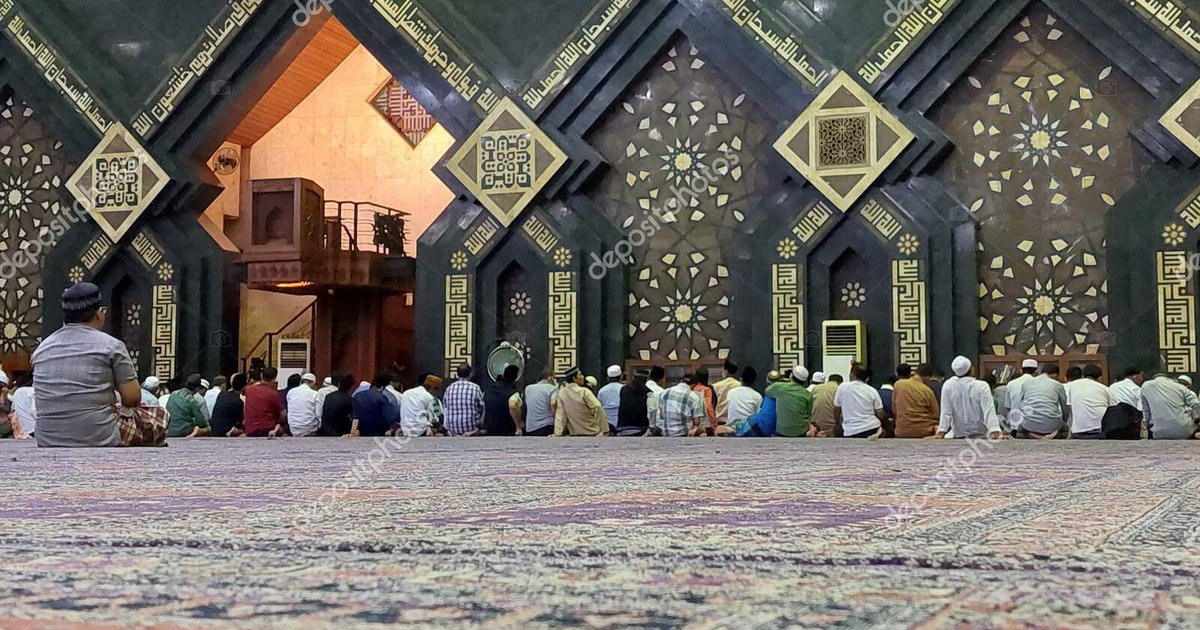
Fajr prayer is among the five obligatory prayers for Muslims, taking place early in the morning and marking the beginning of a new day filled with blessings and energy. Muslims strive to perform it in mosques or at home, showcasing their religious commitment and desire to enhance their spirituality.
The Fajr prayer is characterized by a unique atmosphere, as worshippers head to mosques in the early morning darkness, creating a sense of tranquility and calm. Performing this prayer is seen as an opportunity to connect with God, seek forgiveness and mercy, and start the day with a clear intention.
Details of the Event
The Fajr prayer is held daily, commencing immediately after the call to prayer (Adhan). Many Muslims prefer to perform it in congregation, as this strengthens social bonds and fosters a sense of belonging to their community. Additionally, performing the prayer in mosques is considered a commendable act, where the reward and merit are multiplied.
The Fajr prayer consists of two units (Rak'ahs), during which short chapters from the Holy Quran are recited. The time of Fajr is regarded as blessed, where supplications are answered, and it is preferable for Muslims to dedicate some time after the prayer for personal prayers and reflection.
Context and Background
The significance of Fajr prayer stems from Islamic teachings, with numerous prophetic traditions highlighting its virtues. Prophet Muhammad (peace be upon him) serves as a model for Muslims in his commitment to performing this prayer, encouraging his companions to observe it punctually.
Fajr prayer enhances spirituality among Muslims and helps them start their day with vigor and vitality. Moreover, the commitment to performing this prayer is seen as a sign of strong faith and religious dedication.
Impact and Consequences
Fajr prayer contributes to strengthening the collective spirit among Muslims, as worshippers gather in mosques, enhancing social relationships and promoting cooperation and solidarity. Furthermore, performing the prayer on time fosters personal discipline and aids in time management.
The Fajr prayer also provides an opportunity for contemplation and reflection, allowing Muslims to take some time to think about their lives and goals. This time is ideal for planning the upcoming day, contributing to personal success.
Impact on the Arab Region
Fajr prayer is an essential part of daily life for Muslims in Arab countries, enhancing spirituality and connection with God. This prayer creates a positive environment that encourages work and productivity, thereby promoting social and economic development.
Moreover, the commitment to performing Fajr prayer is a reflection of the cultural and religious identity of Muslims in the region, demonstrating adherence to Islamic values and principles. This commitment also serves as a means to face contemporary challenges, reinforcing collective spirit and encouraging unity among Muslims.
In conclusion, Fajr prayer is one of the most important acts of worship that enhances spirituality and connection with God. Muslims are encouraged to adhere to it, as it contributes to strengthening social relationships and personal development. Performing this prayer on time is a sign of strong faith and religious commitment.