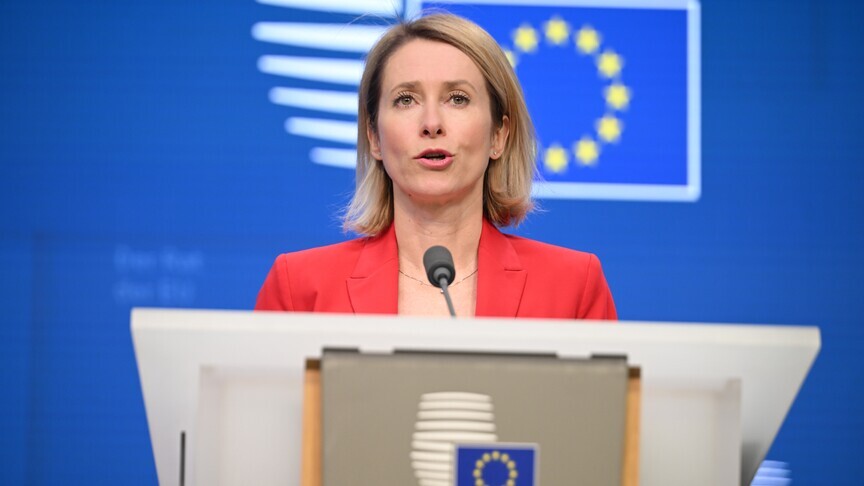
Josep Borrell, the European Union's foreign policy chief, emphasized that the Strait of Hormuz is experiencing a peculiar state between war and peace, raising concerns about navigation freedom in this vital area. He explained that respecting navigation freedom is in everyone's interest, as the current tensions lead to exorbitant costs borne by all parties involved.
Borrell's statements come at a time when fears are mounting over escalating tensions in the region, where the Strait of Hormuz serves as a crucial transit point for oil and natural gas. He pointed out that the current situation requires all parties to work together to ensure safe navigation and protect economic interests.
Event Details
The Strait of Hormuz, which connects the Arabian Gulf to the Sea of Oman, is one of the busiest waterways in the world, with approximately 20% of the world's total oil exports passing through it. In recent years, the region has witnessed a rise in military tensions, impacting navigation and increasing risks for commercial vessels.
In light of these circumstances, Borrell called for international cooperation to ensure safe navigation, noting that any escalation could negatively affect the global economy. He also stressed the importance of dialogue among the concerned nations to avoid any potential escalation.
Background & Context
Historically, the Strait of Hormuz has seen numerous crises, starting from the Iran-Iraq war in the 1980s to the current tensions between Iran and the United States. These crises have led to an increased military presence in the region, as major powers seek to protect their economic interests.
In recent years, Iran has ramped up its military activities in the area, raising concerns among neighboring countries and the United States. These activities have resulted in economic sanctions against Iran, complicating the situation further.
Impact & Consequences
Tensions in the Strait of Hormuz directly affect global oil prices, as any escalation could lead to significant price increases. Furthermore, instability in the region may impact foreign investments and heighten economic risks.
Moreover, any military escalation could lead to severe humanitarian consequences, as armed conflicts always result in civilian suffering and increased numbers of displaced persons. Therefore, maintaining peace in this region is vital not only for the concerned countries but for the entire world.
Regional Significance
For Arab countries, tensions in the Strait of Hormuz represent a significant concern, as many of these nations rely on oil exports through this passage. Any escalation could impact these countries' revenues and exacerbate the economic challenges they face.
Additionally, stability in the Strait of Hormuz is crucial for regional security, as any conflict could extend to neighboring countries and affect relations among Arab nations. Thus, regional and international cooperation is essential to ensure safe navigation and protect economic interests.