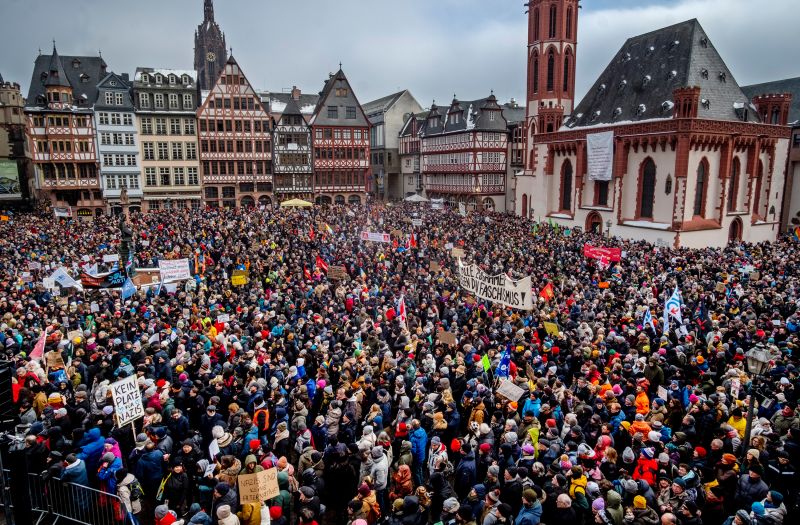
Concerns are rising in Germany that imported conflicts among migrants could become a tool for the far-right. While protests organized by migrants are permitted as long as they are licensed, clashes between demonstrators from the same country in the host nation's streets may enhance hate speech and provide a pretext for extremist factions.
In recent years, Germany has witnessed an increase in the number of protests organized by migrants, as many seek to express their opinions and demands. However, these demonstrations can turn into battlegrounds for clashes between different groups, raising alarms among authorities and the community.
Details of Recent Events
Recent events have included clashes between groups of migrants in several German cities, where political and social issues intersect. These clashes could exacerbate tensions between migrants and the local community, opening the door for the far-right to exploit these situations to their advantage.
Experts point out that these imported conflicts can be used as a justification for stricter policies against migrants, further increasing divisions within society. Additionally, these events may lead to a rise in hate speech and racism, which is a significant concern for many in Germany.
Background & Context
Historically, Germany has been a destination for many migrants from various countries, especially from conflict zones. As the number of migrants has increased, so too have tensions between different cultures. In recent years, the country has seen a rise in far-right activity, which seizes any opportunity to promote its agenda against migrants.
Germany is considered one of the European countries that hosts a large number of refugees, particularly following crises in the Middle East and Africa. However, the social and economic challenges facing the country may exacerbate these tensions, increasing the likelihood of conflicts.
Impact & Consequences
The repercussions of these conflicts extend beyond local borders, potentially affecting relations between Germany and migrants' home countries. If these disputes continue, they could lead to a deterioration of diplomatic relations, complicating international cooperation efforts in areas such as migration and security.
Furthermore, the rise of the far-right may lead to changes in government policies towards migrants, negatively impacting human rights and increasing social tensions. These dynamics could worsen conditions in migrant communities, making social integration more challenging.
Regional Significance
The events in Germany hold particular significance for the Arab region, as many migrants come from Arab countries. The rise of the far-right in Europe could affect the image of Arabs and Muslims in the West, increasing the challenges they face in integration.
Additionally, these events may influence European policies towards migration, impacting job and study opportunities for Arab migrants. Under these circumstances, it becomes essential to promote dialogue and understanding between different cultures to prevent worsening situations.
In conclusion, imported conflicts in Germany remain a significant challenge that requires both the community and authorities to work together to address this phenomenon. It is crucial to promote values of tolerance and understanding between cultures to ensure a better future for all.