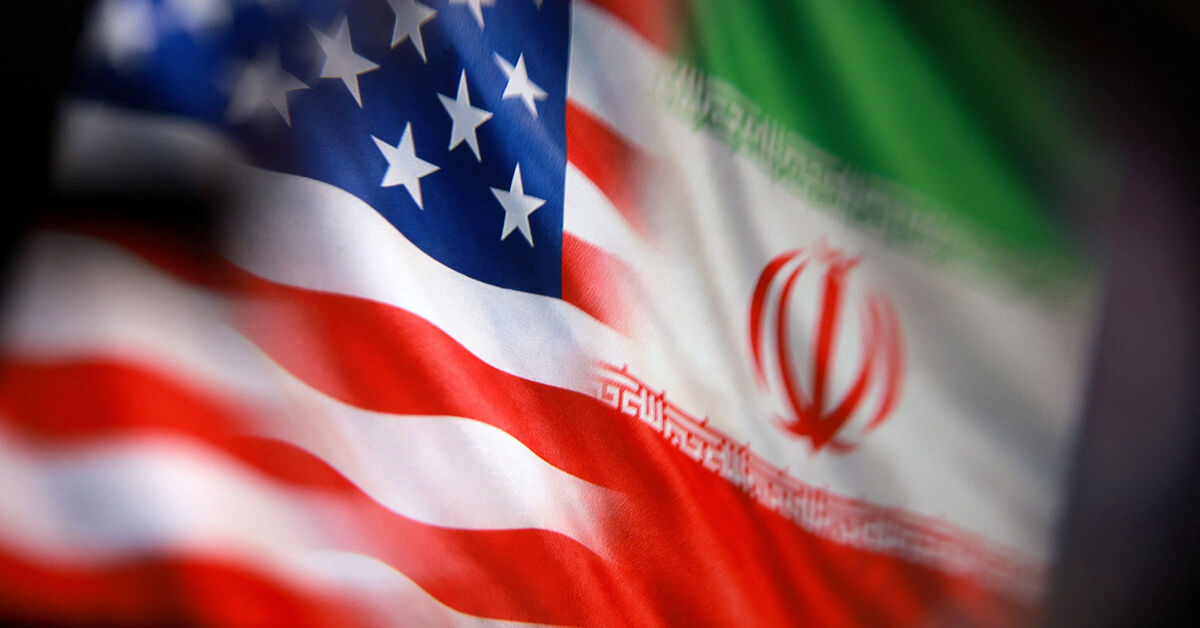
In a new escalatory move, the United States announced on Thursday the imposition of new sanctions targeting Iranian military oil trade, coinciding with increasing tensions between Washington and Tehran. These sanctions come despite a temporary agreement aimed at extending the ceasefire between the two parties and lifting restrictions on shipping through the Strait of Hormuz.
The U.S. Treasury Department reported that it has sanctioned eight vessels involved in transporting Iranian crude oil and petroleum products to global markets. Among these vessels are the Marshall Islands-flagged ship "Flora," the Comoros-flagged ship "Hawnkayo," and the Panama-flagged ship "El Gab."
Details of the Sanctions
These sanctions are part of ongoing U.S. efforts to pressure Iran, as Washington seeks to reduce Iranian oil revenues that support the military activities of the Iranian regime. This step is considered part of the maximum pressure policy adopted by the U.S. administration against Tehran, aimed at halting its nuclear program and interventions in neighboring countries' affairs.
These sanctions coincide with informal talks between the United States and Iran, where both sides are trying to find common ground to ease tensions. However, the new sanctions may complicate these discussions and escalate the conflict in the region.
Background & Context
Historically, U.S.-Iranian relations have been marked by increasing tensions since the Islamic Revolution in 1979. Since then, the United States has imposed numerous sanctions on Iran, particularly in the oil and gas sectors. Iranian oil trade is one of the main sources of government revenue, making it a primary target for U.S. pressure.
In recent years, these tensions have notably escalated, especially after the U.S. withdrawal from the Iranian nuclear deal in 2018. Since then, the region has witnessed numerous events that have heightened the conflict, including attacks on oil tankers in the Arabian Gulf.
Impact & Consequences
The new sanctions underscore the continuation of U.S. pressure on Iran, which could exacerbate conditions in the region. These sanctions are likely to affect global oil prices, as Iran may seek alternative ways to export its oil, potentially increasing tensions in energy markets.
Moreover, these sanctions could provoke reactions from Iran, which may resort to escalating its military activities in the region, increasing the risk of armed conflict. These developments could also impact Iran's relations with neighboring countries, particularly those reliant on regional stability for their trade.
Regional Significance
The Arabian Gulf region is among the most affected areas by tensions between the United States and Iran. Many Arab countries depend on regional stability for their economies and security. The new sanctions may heighten tensions between Iran and Arab nations, potentially affecting regional security.
At the same time, some Arab countries may seek to strengthen their ties with the United States under these circumstances, leading to shifts in regional alliances. The ongoing tensions could also impact navigation in the Strait of Hormuz, one of the world's most crucial maritime passages.
In conclusion, the situation in the region remains tense as U.S. pressures on Iran continue, complicating the political and security landscape in the Arabian Gulf.