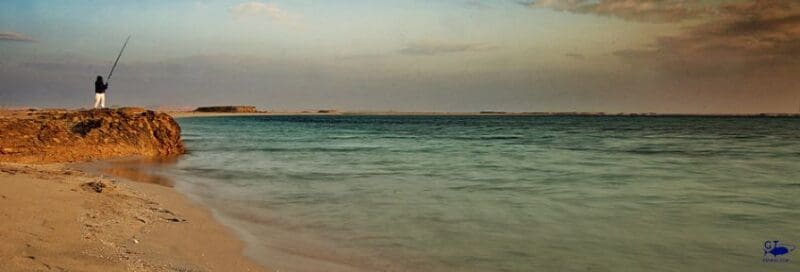
The Ministry of Environment, Water, and Agriculture in the Kingdom of Saudi Arabia has announced a two-month ban on fishing for Naql and Taradi species, effective from the beginning of November. This decision is part of the ministry's efforts to protect fish wealth and ensure its sustainability, as these species play a significant role in the marine ecosystem.
The ban aims to enhance the breeding of these species, which are under significant pressure due to overfishing and environmental changes. The ministry confirmed that this measure is part of a comprehensive plan to protect the marine environment, which also includes regulating fishing and raising awareness among fishermen about the importance of preserving biodiversity.
Details of the Ban
The ban will last for two months, during which fishing for Naql and Taradi will be prohibited in all territorial waters of the Kingdom. This includes all types of fishing, whether commercial or recreational. This decision was made after an extensive study of the status of these species, which showed a noticeable decline in their numbers due to overfishing.
Naql and Taradi species are considered important fish in the marine food chain, playing a vital role in maintaining the balance of the ecosystem. It is expected that this ban will contribute to the rehabilitation of their populations during the ban period.
Background & Context
The fish wealth in the Kingdom of Saudi Arabia is one of the important natural resources, significantly contributing to the national economy. With increasing pressures on these resources due to overfishing and climate changes, it has become essential to take effective measures to protect these species.
In recent years, the ministry has implemented several programs to protect the marine environment, including the establishment of marine reserves and the enforcement of strict laws against overfishing. These efforts have proven effective in improving the status of some marine species, reflecting the importance of sustainability in managing natural resources.
Impact & Consequences
This ban is expected to have a positive impact on the marine environment, as it will help increase the numbers of Naql and Taradi, thereby enhancing biodiversity in the region. Additionally, this decision reflects the Kingdom's commitment to protecting the marine environment and enhances its reputation as a supporter of environmental sustainability.
Economically, this ban may affect some fishermen who rely on fishing these species as a primary source of income. However, the long-term environmental benefits will ultimately benefit everyone, including fishermen, by enhancing the sustainability of fish wealth.
Regional Significance
This decision represents an important step in the efforts of Arab countries to protect the marine environment, as many countries face similar challenges in preserving their fish wealth. This ban could serve as a model for other countries in the region that seek to balance economic development and environmental protection.
Enhancing cooperation among Arab countries in the field of marine environmental protection can contribute to achieving sustainable development goals and strengthen the region's ability to face future environmental challenges.
In conclusion, the decision to impose a fishing ban on Naql and Taradi reflects the Kingdom of Saudi Arabia's commitment to protecting the marine environment and ensuring the sustainability of fish wealth. This decision is expected to contribute to enhancing biodiversity and improving the state of the marine environment in the Kingdom.