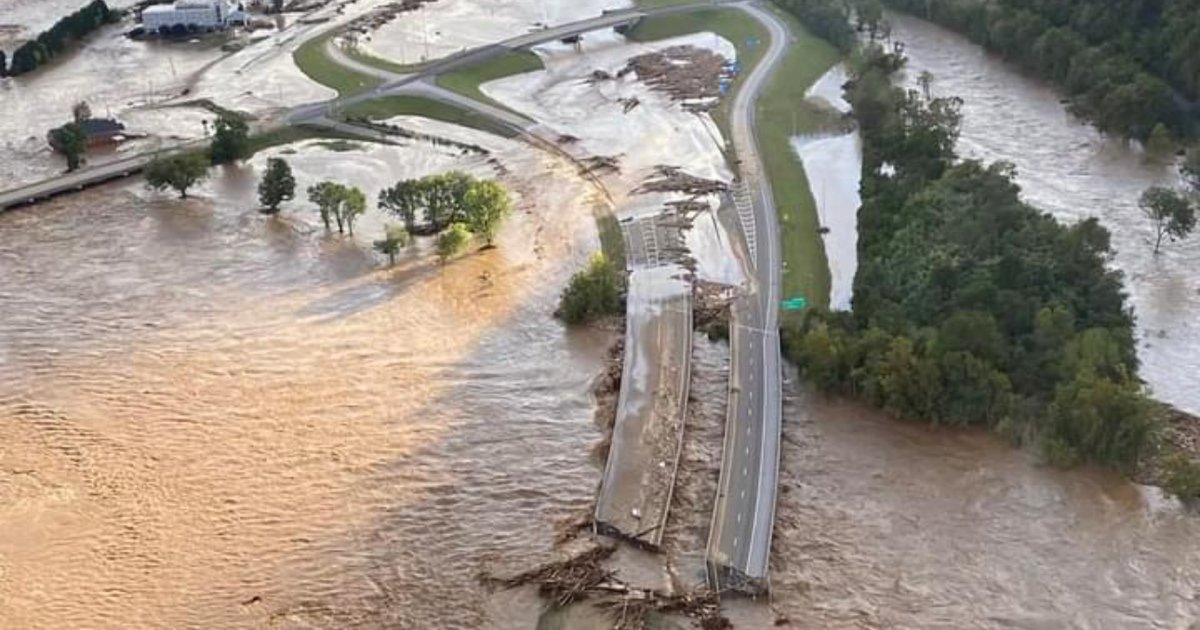
The Rehabilitation and Reconstruction Unit in Aceh (PRR) continues its efforts to improve access to five isolated villages in Central Aceh after the region experienced repeated flooding that destroyed infrastructure. The head of the PRR, Safrizal Z. A, confirmed that teams are working to repair damaged roads and bridges to ensure the provision of essential services to residents.
In statements made to reporters, Safrizal explained that the recent floods, which occurred due to heavy rainfall, led to the collapse of two temporary bridges in the villages of Burleh and Treng Ngon. These events isolated five villages, increasing the suffering of residents who rely on these roads to access markets and health services.
Details of the Incident
The floods that struck Central Aceh caused significant destruction to infrastructure, with temporary bridges in Burleh and Treng Ngon collapsing, affecting traffic and isolating the villages. Safrizal noted that work teams were on alert, and maintenance crews were dispatched to repair the damages immediately.
Additionally, heavy rains caused landslides at several locations on the main roads, complicating repair efforts. However, Safrizal assured that access to the isolated villages has improved, as small vehicles can now pass through, helping to meet the needs of the residents.
Background & Context
Historically, the Aceh region has witnessed numerous natural disasters, including floods and landslides. This area is susceptible to climate changes, increasing the likelihood of such disasters. The Indonesian government has been developing strategies to address the impacts of natural disasters, including the establishment of units like the PRR to enhance rapid response.
Frequent flooding in Aceh poses a significant challenge for the government, requiring substantial investments in infrastructure and urban planning. Nevertheless, the efforts made by the PRR reflect the government's commitment to improving the living conditions of affected populations.
Impact & Consequences
The recurring floods in Aceh underscore the importance of strengthening infrastructure and developing effective strategies to deal with natural disasters. Improving access to isolated villages is not only essential for meeting the needs of the residents but also for boosting the local economy by facilitating the movement of goods and services.
These efforts represent a positive step towards achieving sustainable development in the region, contributing to improving the quality of life for residents and providing job opportunities. However, the greatest challenge remains how to address climate changes that directly impact the frequency of these disasters.
Regional Significance
Although the floods in Aceh may seem distant from the Arab region, the lessons learned from these disasters can be valuable. Many Arab countries face similar challenges due to climate changes, necessitating proactive measures to enhance infrastructure and disaster resilience.
Arab nations can benefit from Indonesia's disaster management experiences, which could help improve response strategies and preparedness for future challenges.