Health services in Indonesia are currently in disarray, resembling a large traditional wedding where everyone is trying to get the same meal at once. With thousands of islands stretching from Sabang to Merauke, ensuring equal access to health services for everyone becomes a daunting task.
Reports indicate that many high-income citizens are forced to travel abroad for treatment, highlighting a significant gap in the quality of health services. In this context, Indonesia's Antara News Agency had the opportunity to speak with Stephanie Severs, the Managing Director of Philips in the Asia-Pacific region, during the Innovation Summit in Singapore.
Event Details
During her talk, Severs expressed optimism about Indonesia's potential, noting that the country is not just a dot on the Southeast Asian map but a vast stage filled with opportunities. She compared Indonesia to a large residential complex needing infrastructure improvements, while Singapore was likened to a luxurious home with easy access to all services.
Philips aims to provide technological solutions that extend beyond hospital walls, enabling doctors in remote areas to utilize techniques like image-guided therapy, allowing them to perform complex medical procedures with high precision even in distant locations.
Background & Context
Historically, Indonesia has suffered from a lack of health services due to geographical and economic challenges. With over 3,200 hospitals, 65% of which are private, the country struggles to provide qualified medical personnel. While the number of hospitals is increasing, the training of doctors and nurses does not keep pace with this rapid growth.
The Indonesian government is seeking to improve the health system through digital transformation, allowing technology to enhance service quality. However, there remains an urgent need to train medical staff to effectively use these technologies.
Impact & Consequences
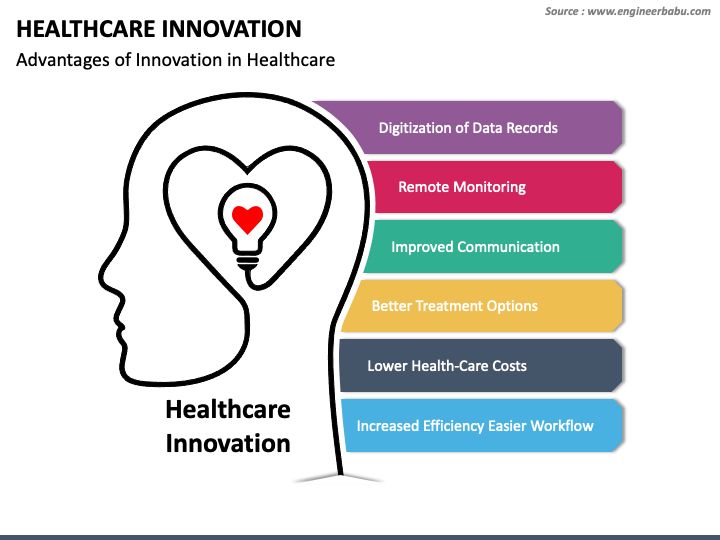
Technological innovations in healthcare are essential for improving the quality of health services in Indonesia. By utilizing artificial intelligence, medical errors can be reduced, and treatment costs can be lowered. Furthermore, enhancing access to health services can contribute to improving public health in the country.
Experiences show that technology can be an effective solution to health challenges. For instance, doctors in remote areas can benefit from direct support from specialists in urban centers, facilitating the diagnosis and treatment process.
Regional Significance
Indonesia's experience in enhancing health services through technology serves as a model that can be beneficial for Arab countries. Many Arab nations face similar challenges in providing equitable health services, making technological innovations a pressing necessity.
Arab countries can learn from Indonesia's experiences in using technology to improve access to healthcare, thereby contributing to public health enhancement and improving quality of life.