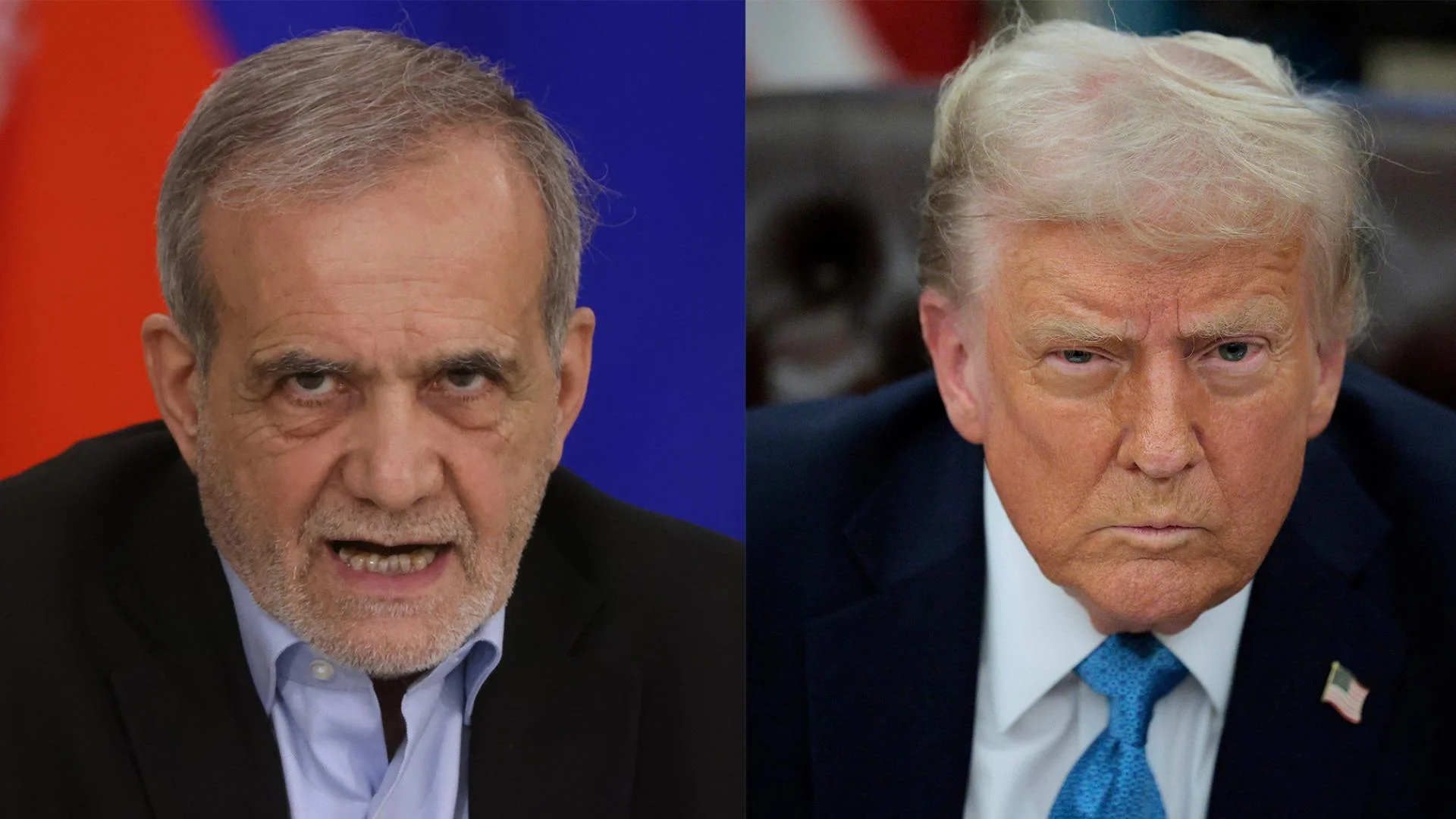
President Donald Trump has announced the beginning of in-depth negotiations with Iran, confirming that these talks aim to address strategic issues between the two countries. This step comes at a time when tensions in the Middle East are escalating, making it essential to seek effective diplomatic solutions.
Trump, who had previously taken a hardline stance against Iran, now appears to be seeking to change the course of relations, stating that the US administration is working to achieve positive outcomes through dialogue. He noted that these negotiations could help alleviate tensions and provide a more stable environment in the region.
Details of the Negotiations
The current negotiations encompass a range of sensitive issues, including Iran's nuclear program and its support for militias in the region. Iran has shown a willingness to engage in these talks, reflecting its desire to improve relations with the United States.
It has also been indicated that the negotiations may include issues related to human rights and trade, showcasing both sides' ambitions for comprehensive progress. One of the European capitals is expected to host these talks, as both parties seek to find common ground.
Background & Context
Historically, relations between the United States and Iran have been tense since the Iranian Revolution in 1979. These relations escalated significantly following the US withdrawal from the nuclear agreement in 2018, leading to the imposition of strict economic sanctions on Iran.
Despite these tensions, there are increasing calls from the international community to resume dialogue between the two countries. Some European nations have expressed their willingness to mediate between Washington and Tehran, reflecting the global significance of these negotiations.
Impact & Consequences
If successful, the negotiations could lead to significant changes in regional policy, including a reduction in tensions in Iraq, Syria, and Lebanon. Improved relations between the United States and Iran could also contribute to the stability of global oil markets.
On the other hand, these negotiations may face significant challenges, including opposition from certain factions within both the United States and Iran. Therefore, it will be crucial to monitor reactions from various regional and international actors.
Regional Significance
The US-Iranian relationship is pivotal in determining the future of the Middle East. If an agreement is reached, it could positively impact neighboring Arab countries by potentially reducing Iranian interference in their internal affairs.
There are also concerns that any agreement might alter the balance of power in the region, prompting Arab nations to reassess their security and political strategies.
In conclusion, the negotiations between the United States and Iran remain a vital topic that requires close monitoring, as their outcomes could significantly affect regional and international stability.