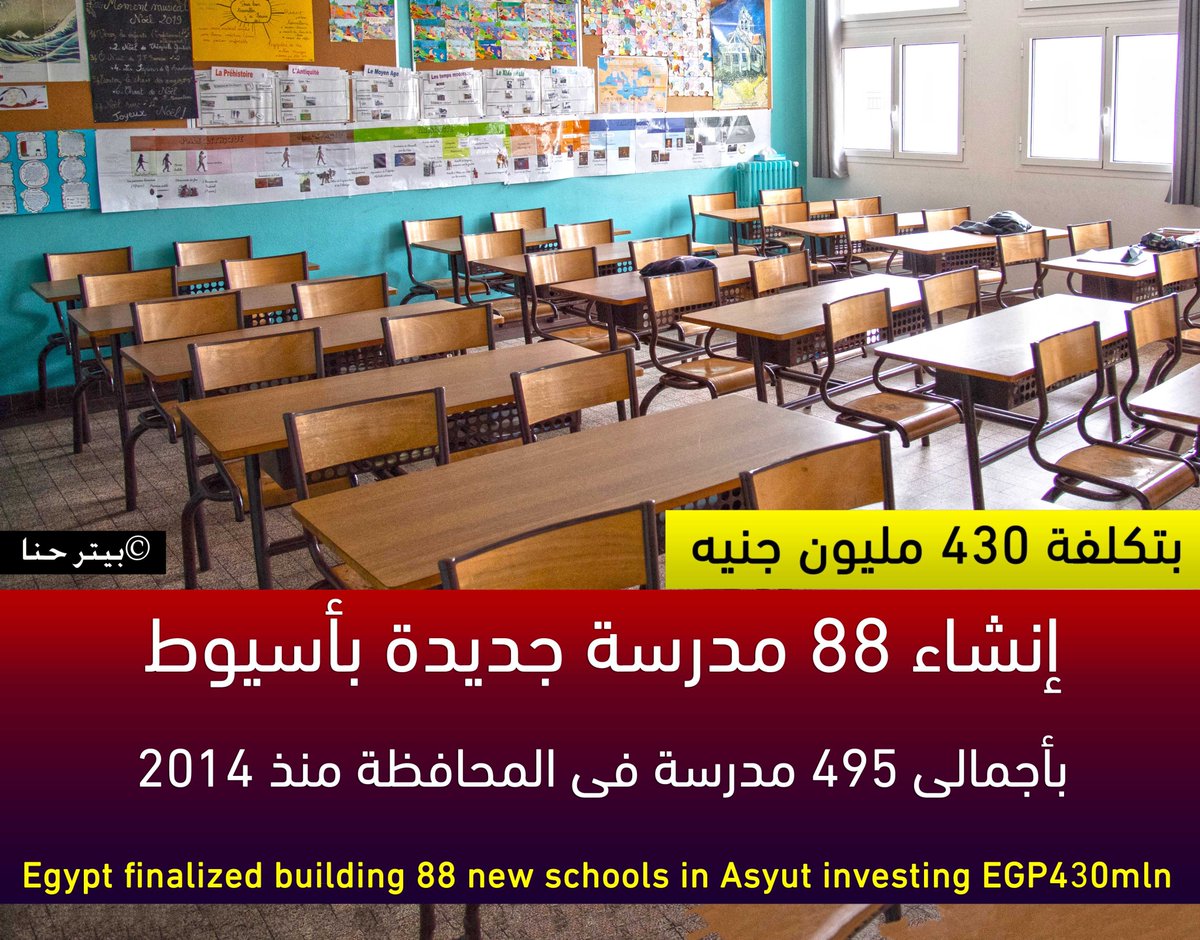
In a move that underscores the Egyptian government's commitment to developing the education sector, the new Al-Waleediyah School was inaugurated in Assiut as part of the celebrations for the 277th national holiday of the governorate. The construction of the school cost approximately 17 million EGP, highlighting the efforts made to improve the quality of education in the region.
This initiative is part of a series of educational projects aimed at meeting the needs of students and enhancing educational opportunities in remote areas. The inauguration ceremony was attended by several local officials who emphasized the importance of education as a fundamental pillar of sustainable development.
Event Details
The school was inaugurated by a number of officials from Assiut, who presented a comprehensive overview of the features of the new school, which includes classrooms equipped with the latest educational technologies. They also stressed the importance of providing a suitable learning environment for students, which contributes to improving the educational standards in the area.
The new school aims to accommodate a large number of students, which will help reduce student density in other schools. The design of the school meets the needs of modern education, including classrooms equipped with modern technological tools.
Background & Context
Assiut is considered one of the Egyptian governorates that suffers from a lack of educational infrastructure. Therefore, the inauguration of Al-Waleediyah School represents an important step towards improving the educational situation in the region. This project is part of the Egyptian government's plan to develop education, which includes building new schools and upgrading existing ones.
Over the years, Assiut has witnessed many developmental projects, but education remains at the heart of these efforts. Improving education is a priority for the government, especially in areas suffering from poverty and deprivation.
Impact & Consequences
The opening of Al-Waleediyah School is expected to contribute to improving the quality of education in Assiut, positively impacting the future of students. Quality education is the foundation of economic and social development, and thus this school will play a pivotal role in preparing a generation capable of facing future challenges.
This project may also encourage further investments in the education sector, leading to improved educational quality nationwide. Providing a suitable learning environment will help attract more students, thereby enhancing opportunities for higher education.
Regional Significance
The experience of Assiut in inaugurating Al-Waleediyah School serves as a model for Arab countries facing similar challenges in the education sector. Improving educational infrastructure is a vital step towards achieving sustainable development in the region.
Similar experiences in other Arab countries could lead to knowledge and expertise exchange, contributing to strengthening education as a tool for development. Investing in education is an investment in the future, and continuous efforts must be made to achieve this.
In conclusion, the inauguration of Al-Waleediyah School in Assiut represents a positive step towards improving education in the region and reflects the Egyptian government's commitment to developing this vital sector. Education is the foundation for building strong and prosperous communities, and efforts to enhance it must continue throughout the country.