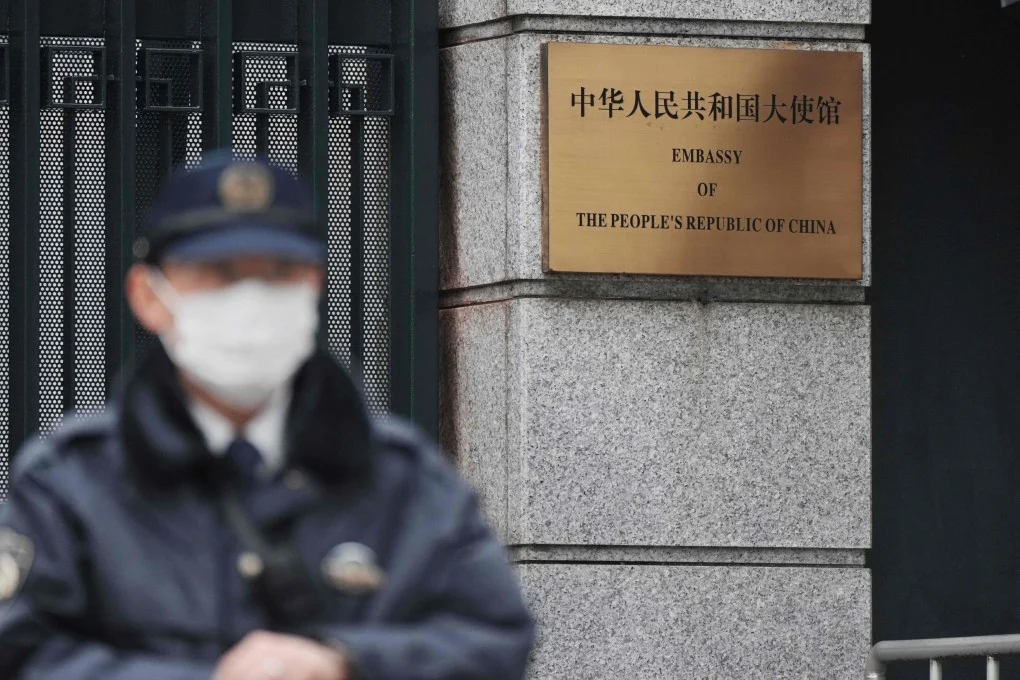
The Chinese embassy in Tokyo witnessed an unprecedented breach by a member of the Japanese Self-Defense Forces, raising significant concerns in diplomatic circles. The incident, which occurred on March 24, prompted a swift response from the Japanese government, which is seeking to mitigate the repercussions of this event on bilateral relations with China.
Yoshinobu Kusunoki, the Commissioner General of the National Police Agency of Japan, described the incident as "extremely unusual and serious," indicating that "it should not have happened." This statement reflects the seriousness with which the Japanese government is addressing this situation, as it seeks to avoid any further escalation in relations with Beijing.
Details of the Incident
The incident occurred when a member of the Japanese Self-Defense Forces breached the Chinese embassy in Tokyo, prompting immediate reactions from Japanese authorities. The individual involved in the incident was arrested, and a comprehensive investigation was launched to determine the circumstances and reasons behind the breach. This incident comes at a sensitive time, as relations between Japan and China are increasingly strained due to issues related to regional security and historical disputes.
The Japanese authorities emphasized the necessity of maintaining diplomatic relations with China, viewing Beijing as an important economic partner. However, the incident may provide an opportunity for Beijing to strengthen its claims regarding the rising militarism and anti-China sentiments in Japan, which could negatively impact future relations between the two countries.
Background & Context
Historically, Japanese-Chinese relations have experienced numerous fluctuations, influenced by various factors including regional disputes and shared history. In recent years, tensions have escalated due to disputes over islands in the East China Sea, as well as issues related to trade and security.
Japan is among the countries seeking to enhance its military capabilities in response to regional threats, which raises concerns in China. The recent incident may reflect the escalation of this militaristic trend, potentially exacerbating the situation in the region.
Impact & Consequences
The incident could lead to negative repercussions for Japanese-Chinese relations, as Beijing may exploit this event to bolster its position on the international stage. This could result in heightened tensions in the region and affect economic cooperation between the two countries.
Additionally, the incident may influence public opinion in Japan, potentially fostering anti-China sentiments amid rising militarism. This situation could reflect on government policies and affect relations with other countries in the region.
Regional Significance
In light of the escalating tensions between Japan and China, the Arab region may play a role in fostering dialogue between the two parties. Arab countries are partners in various fields with both Japan and China, and they could contribute to easing tensions through enhanced economic and political cooperation.
Furthermore, events in East Asia may impact Arab interests, particularly in trade and energy sectors. Therefore, monitoring these developments is crucial for Arab nations to safeguard their interests in the region.
The recent incident at the Chinese embassy in Tokyo represents a turning point in Japanese-Chinese relations and may lead to widespread ramifications at both regional and international levels. It is essential for Arab countries to follow these developments to ensure their interests are met amid these changes.