Recent research in the field of mental health suggests that small changes in daily routines can be more effective in managing stress and improving mood than major changes. Studies have shown that tiny habits, which take less than five minutes, can make a significant difference in overall feelings, from regulating emotions and reducing anxiety to enhancing an individual's sense of control over their life. This is where the idea of "micro habits" comes into play.
A report from Healthline outlines simple and practical ways to incorporate these daily practices into your life to achieve greater psychological stability without the need for drastic sudden changes.
Event Details
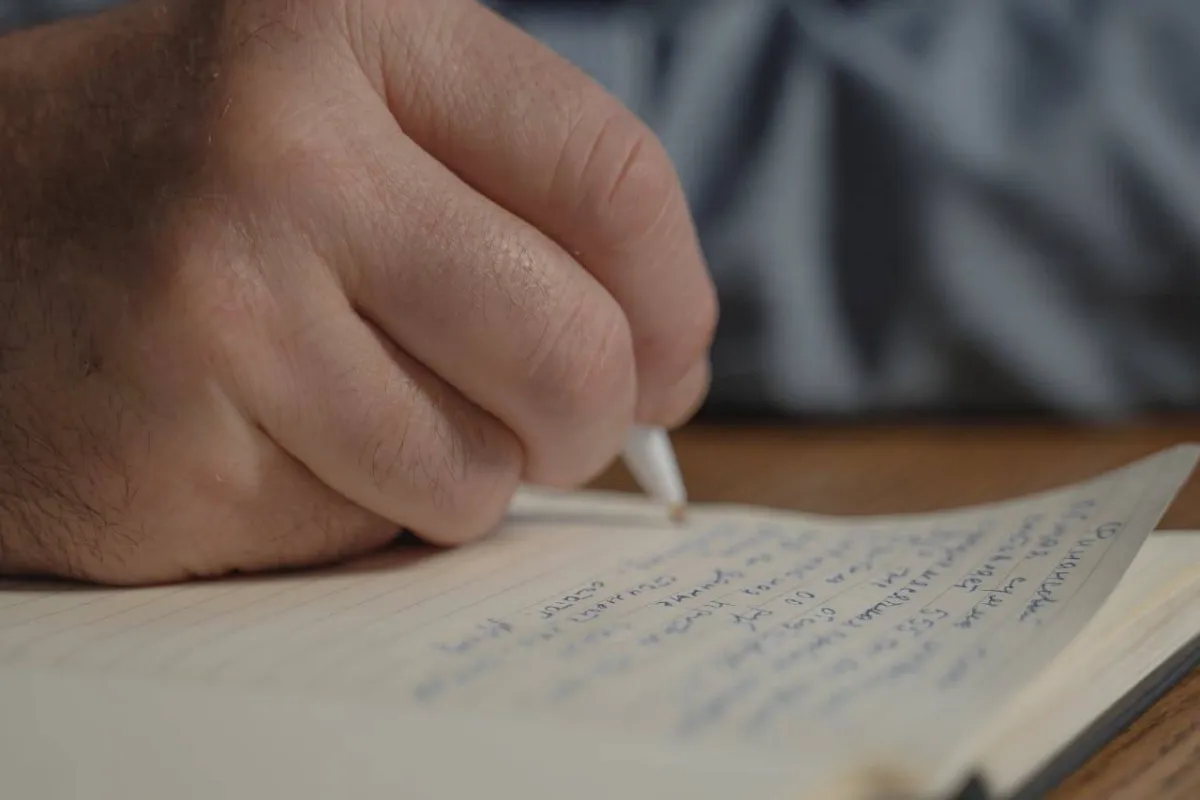
When a person feels their mind is cluttered or noisy, they may tend to browse the internet, snack, or distract themselves from feelings of discomfort. However, short writing exercises, such as "brain dumping," provide a different way to vent. Instead of pushing thoughts away, this habit allows thoughts to flow freely. One can set a timer for two to five minutes and write freely, without the need to adhere to a specific structure or make the writing look polished. The goal here is not to solve problems but to create space for thoughts to exist outside the head, helping the nervous system to stabilize.
Movement is considered one of the quickest ways to influence mood. Even short physical activity increases blood circulation, instills a sense of safety in the nervous system, and stimulates the release of mood-supporting chemicals like dopamine and serotonin. The key here is to enjoy the movement, whether through dancing, short stretching exercises, or walking around the neighborhood. Five minutes of movement can make a big difference.
Background & Context
When stress levels rise, the familiar can be soothing. Rewatching a clip from a favorite show, listening to music loved during teenage years, or rereading a cherished chapter from a book may seem small, but they reduce mental load and provide a sense of security. The surrounding environment constantly sends signals to the brain. Visual clutter competes for attention, increasing stress and mental fatigue. Even tidying a small surface like a desk or kitchen counter for a few minutes can restore a person's sense of control and calm.
Small sensory changes can be powerful. When feeling stressed, directing attention to the body for a short period can bring a person back to the present moment. For example, changing the water temperature at the end of a shower for a few seconds, stepping outside for fresh air, or placing a hand on the heart and taking three deep breaths are all ways to reconnect with the body and reset the mind.
Impact & Consequences
These small, repeated practices gradually help foster a sense of calm and focus, improving stress management and mood throughout the day. Incorporating these simple habits into daily routines can have positive effects on mental health, contributing to an overall improvement in quality of life.
In light of the daily challenges individuals face, these small habits become effective tools for coping with increasing pressures. It is important for people to realize that big changes are not always the solution; rather, small steps can be the key to achieving mental comfort.
Regional Significance
In the Arab region, where many face psychological pressures due to political and social conditions, these small habits become even more crucial. They can contribute to enhancing psychological well-being and provide effective tools for dealing with stress. Raising awareness about the importance of small habits can help improve the mental health of individuals and communities.
In conclusion, small habits that can be easily implemented in daily life represent a real opportunity to improve mental health. By incorporating these habits into daily routines, individuals can enhance their sense of comfort and control over their lives.