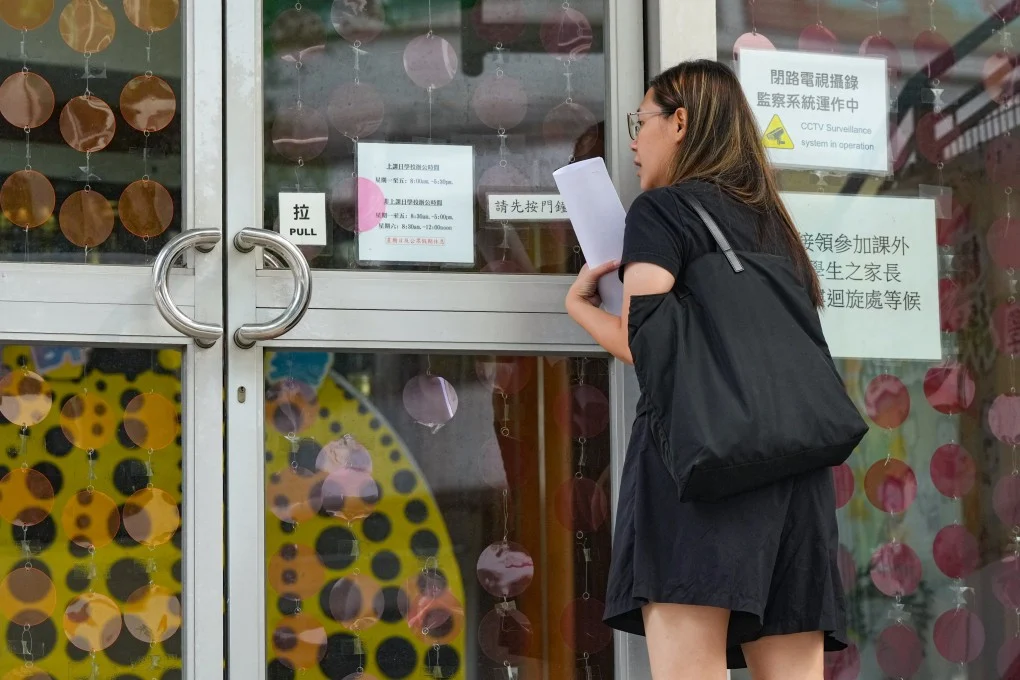
Despite achieving a record acceptance rate of 86% for students in their preferred primary schools in Hong Kong, many parents are still striving to secure places in these educational institutions. This situation arises amid concerns following the Education Bureau's early text notifications, which included correct school options but with incorrect school year information, causing anxiety among parents.
Some school administrators and parents have discussed the impact of this oversight, affirming that it did not significantly affect the acceptance process after the notifications. In fact, some parents noted that they gained extra time to plan for their children's educational futures, which could positively influence their choices.
Details of the Event
Primary schools in Hong Kong are among the most competitive in the world, with parents vying for places for their children in well-reputed institutions. However, the 86% allocation of students to their chosen schools reflects a significant improvement in the education system, providing parents with greater reassurance regarding their children's futures.
At the same time, these figures raise questions about how to manage the increasing demand for popular schools. With the growing population in Hong Kong, the education system faces new challenges in providing sufficient places for all students.
Background & Context
Historically, Hong Kong has experienced a highly competitive education system, where parents strive to ensure their children receive the best possible education. Economic and social factors have contributed to this trend, leading to increased pressure on popular schools.
In recent years, the government has taken steps to improve the education system, including increasing the number of schools and expanding educational programs. Nevertheless, the demand for popular schools still exceeds supply, making it difficult for many parents to secure the places they desire.
Impact & Consequences
These events indicate a need to reassess educational policies in Hong Kong. With the rising number of students, the government may need to consider new strategies to meet the growing demand for quality education.
Moreover, these issues could have broader implications for society, potentially exacerbating social and economic gaps if not addressed effectively. Providing quality education for all is vital to ensuring a bright future for the next generation.
Regional Significance
The experience of Hong Kong in managing education could be beneficial for Arab countries, which face similar challenges in providing quality education. Studying how Hong Kong handles the increasing demand for education may offer valuable lessons for countries seeking to improve their educational systems.
In conclusion, the issue of education remains one of the most critical challenges facing societies worldwide, and governments must work diligently to ensure equal educational opportunities for all.