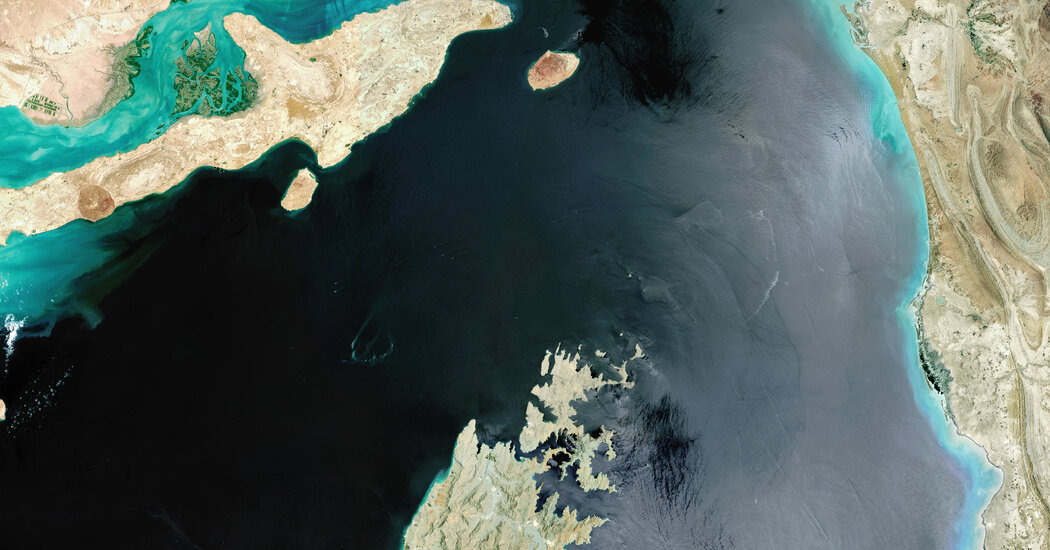
Attention is focused on the Strait of Hormuz where European and American officials meet at a critical juncture regarding their interests in the Gulf and Iran, amid fears of escalating American pressure.
These meetings come at a highly sensitive time, as both parties seek to coordinate their positions in the face of the increasing challenges posed by Iran in the region. European countries have expressed concern over the American strategy that could lead to potential military escalation in the Gulf, complicating the security and economic situations in the area.
Details of the Event
The upcoming meetings between European and American officials will discuss a range of vital issues, including maritime security in the Strait of Hormuz, which is considered one of the most important waterways in the world. Approximately 20% of the world's total oil passes through this strait, making it a critical strategic point. At the same time, Iran continues to enhance its military capabilities, increasing tensions in the region.
These meetings are part of joint efforts to reach diplomatic solutions to the Iranian nuclear crisis, as European countries aim to maintain the nuclear agreement reached in 2015, while the United States continues to pressure Tehran through stringent economic sanctions.
Background & Context
Historically, the Strait of Hormuz has witnessed recurring tensions between Iran and Western countries, especially after the United States withdrew from the nuclear agreement in 2018. Since then, tensions have escalated, with Iran conducting several operations targeting commercial vessels, raising concerns among European countries that rely on this route for securing energy supplies.
European countries are striving to find a balance between protecting their economic and security interests and dealing with increasing American pressures. Reports indicate that there is a division within the European Union on how to handle Iran, with some countries preferring a more hardline stance, while others advocate for dialogue and negotiation.
Impact & Consequences
If American pressure on Europe continues, it could lead to a division within the European Union regarding how to deal with Iran. This division may affect the ability of European countries to influence Iranian policies and increase the chances of military escalation in the region.
Moreover, any escalation in the Strait of Hormuz could directly impact global oil prices, potentially leading to increased energy costs in importing countries, including Arab nations. Should any military confrontation occur, it could negatively affect economic stability in the region.
Regional Significance
Arab countries neighboring the Strait of Hormuz are in a state of heightened anticipation regarding the outcomes of these meetings. Any escalation in tensions could affect regional security and exacerbate existing conflicts. Additionally, Arab countries that rely on oil exports may be directly affected by any changes in oil prices resulting from events in the Gulf.
In conclusion, the future of American-European relations in the Gulf region hangs in the balance of the outcomes of these meetings, as both parties seek to achieve a balance between their security and economic interests amid the increasing challenges posed by Iran.