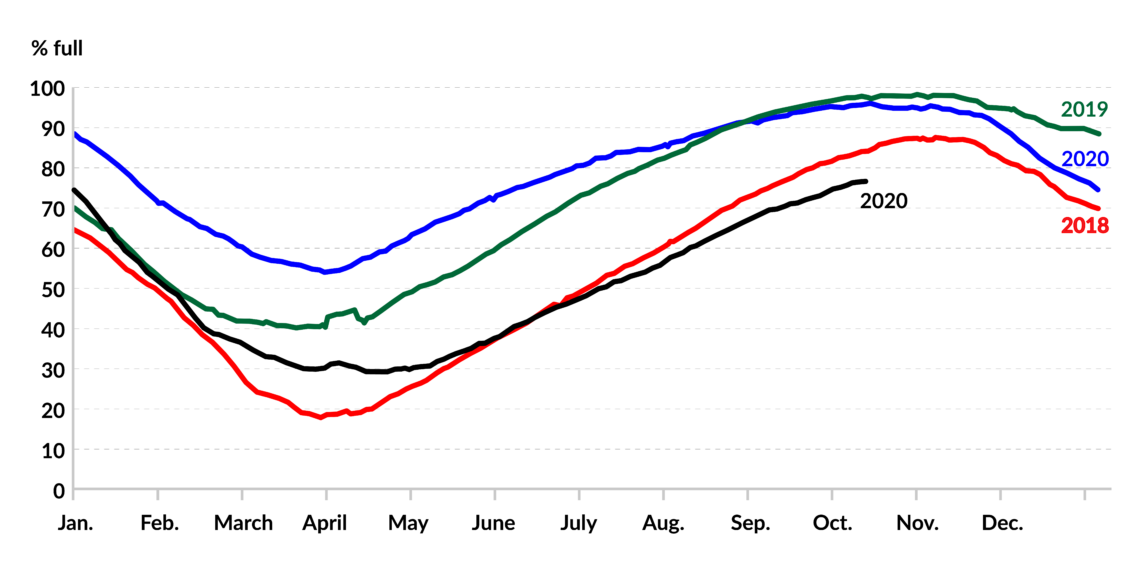
European countries are grappling with an escalating gas supply crisis, as American pressure intensifies for these nations to limit their dependence on Russian gas. This pressure comes at a critical time, with rising fears about the effects of the war in Ukraine on the global energy market.
The United States aims to bolster its position as a key alternative to Russian gas, which has sparked internal divisions among European countries on how to tackle this challenge. While some nations advocate for a rapid reduction in reliance on Russian gas, others prefer a more cautious approach to avoid potential energy crises.
Details of the Situation
American pressure on European countries is increasing, as Washington seeks to diminish European reliance on Russian gas. American officials have indicated that this move is essential to enhance European security amid rising tensions with Russia. At the same time, European nations face significant challenges in securing alternative supplies, raising concerns about a potential energy shortage during the winter.
European positions vary, with countries like Poland and the Baltic states calling for swift action to eliminate Russian gas, while others, such as Germany, prefer a gradual approach to ensure energy supply stability.
Background & Context
The roots of the European gas crisis can be traced back to the escalating tensions between Russia and the West, which have worsened since the outbreak of the war in Ukraine. Russia has been one of the largest gas suppliers to Europe, making many European nations heavily reliant on its supplies. As tensions rise, European countries have begun reassessing their energy strategies.
Historically, Europe has depended on Russian gas as part of its energy strategies, but recent events have prompted a search for alternatives. Previous crises, such as the gas crisis in 2009, have demonstrated how geopolitical tensions can impact energy supplies.
Impact & Consequences
American pressure could lead to significant changes in the European energy market, as countries may be forced to seek alternative gas sources. This shift could result in increased prices and create potential energy crises, especially during the winter.
Moreover, this pressure may affect relations between European countries and Russia, heightening political tensions. If these pressures continue, we may witness a substantial shift in how European nations engage with Russia in the future.
Regional Significance
The European gas crisis holds particular significance for the Arab region, as it could influence oil and gas prices in global markets. Some Arab countries may benefit from increased demand for natural gas as an alternative to Russian gas, enhancing their position in the global market.
Additionally, tensions in the energy market may lead to changes in investment strategies in the region, as Arab nations may seek to bolster their renewable energy capabilities to meet rising demand.
In conclusion, the European gas crisis remains a vital issue requiring international coordination and effective strategies to address future challenges. European countries must be prepared to face these challenges, while Arab nations should seize the emerging opportunities from this crisis.