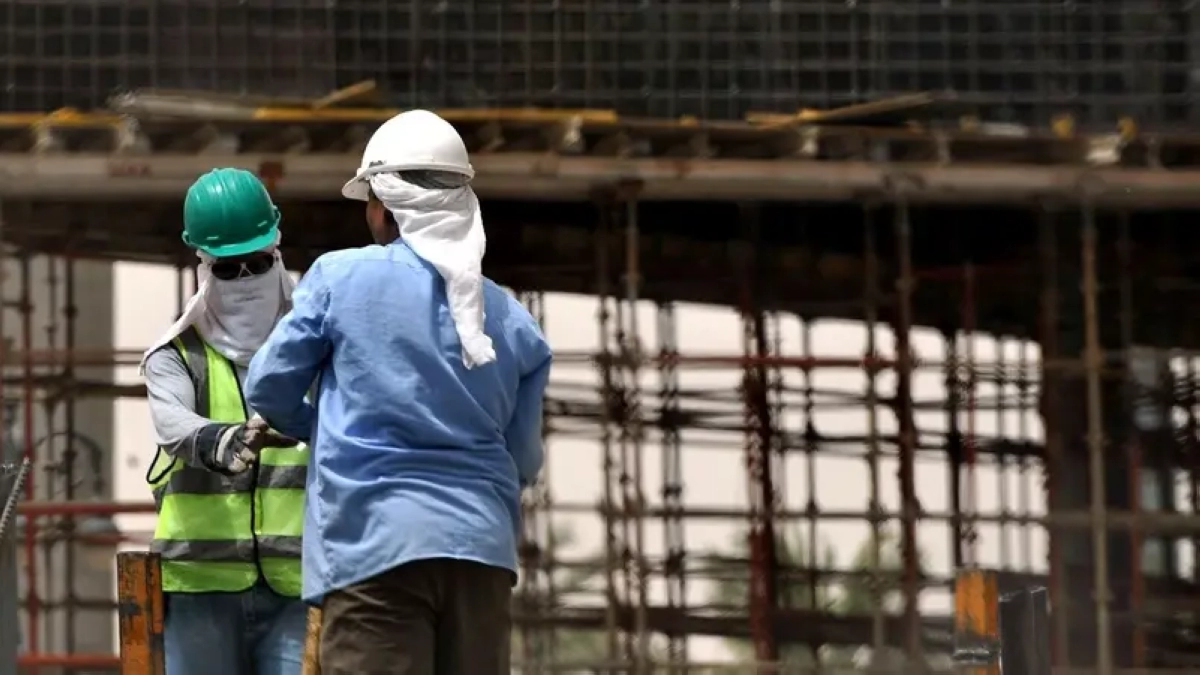
The General Authority for Statistics in the Kingdom of Saudi Arabia announced in its latest report on workplace health and safety statistics for the year 2025 that the awareness index of workplace risks among workers aged 18 and above has reached 76.7%. This percentage reflects a notable improvement in workers' awareness of work-related risks, showcasing the efforts made to promote occupational safety across the nation.
The report, released on Tuesday, also indicated that the rate of occupational injuries among workers aged 15 and above recorded 245 non-fatal injuries and 1.3 fatal injuries per 100,000 workers, excluding traffic accident injuries. These figures underscore the necessity of enhancing preventive measures in workplaces.
Details of the Findings
According to the report, 51.8% of workers reported that employers have implemented preventive measures, while 46.6% indicated the existence of at least one initiative that facilitates daily tasks. Additionally, 34.5% of workers mentioned that at least one resource related to their personal health is provided by employers. These results reflect the commitment of companies to improve the working environment.
Among the most common risks in the workplace, data showed that standing for long periods, reaching up to four hours daily, is the most prevalent, accounting for 25.3%, followed by fatigue or working beyond capacity at 16.7%. These risks require special attention from employers to enhance working conditions.
Background & Context
Workplace health and safety issues are vital topics worldwide, as countries strive to reduce injuries and improve working conditions. In Saudi Arabia, these statistics align with Vision 2030, which aims to promote sustainable development and improve quality of life.
Historically, the Kingdom has witnessed increasing efforts in occupational safety, with numerous initiatives launched to raise awareness of risks and provide necessary training for workers. These efforts come amid challenges faced by the labor market, including the rising number of expatriate workers.
Impact & Consequences
Improving awareness of risks in the workplace has positive effects on productivity and the overall well-being of workers. When workers feel safe in their work environment, it reflects on their performance and increases job satisfaction. Additionally, reducing injuries can lead to lower costs associated with medical compensation and insurance.
Furthermore, enhancing occupational safety can contribute to improving the reputation of companies and attracting more investments. In a world moving towards social responsibility, companies that prioritize the safety of their employees are more appealing to investors and customers.
Regional Significance
Workplace health and safety issues are common across all Arab countries, where many nations face similar challenges. Successful experiences in Saudi Arabia can serve as a model for other countries in the region.
With the increasing focus on developing work environments, Arab countries can leverage these statistics to enhance their health and safety policies, contributing to improving the quality of life for workers and fostering economic development.