As tensions escalate between the United States and Iran, human rights activists in India have observed a notable increase in censorship on social media platforms, with numerous posts criticizing the government’s position on the Iran war being removed. These actions come at a critical juncture, with restrictions on accounts becoming increasingly visible since March 11, and the Internet Freedom Foundation recording 42 instances of content removal by March 19.
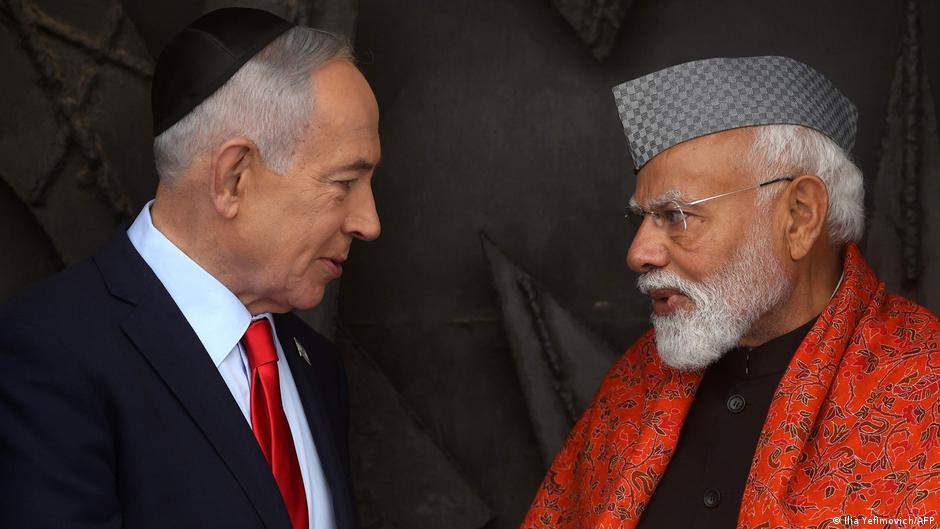
The visit of Indian Prime Minister Narendra Modi to Israel in late February, coinciding with Israeli strikes on Iran, has placed India’s foreign policy under unprecedented local scrutiny. In a speech before Parliament, Modi acknowledged that the situation is "concerning," but emphasized that India’s "core" economic strength would help the country face the unprecedented challenges posed by these conflicts.
Details of the Incident
The content removals exhibit a clear pattern, targeting political cartoons, satirical content, and dissenting messages regarding India’s stance on the Middle Eastern conflict. For instance, cartoonist Satish Acharya reported that two of his drawings about Indian-Iranian relations were banned. One cartoon depicts Modi blindfolded next to a corpse labeled "killed by the U.S. and Israel," while the other targets India’s silence regarding the sinking of an Iranian ship by the U.S. Navy in the Indian Ocean.
Additionally, satirical videos from the online portal "The Wire," which mocked the government’s silence following U.S. and Israeli strikes, were removed, raising questions about whether New Delhi implicitly supported the attack. Furthermore, posts from Shia clerics in Kashmir and several local news sites were deleted following protests linked to developments in Iran.
Background & Context
Historically, India has adopted a policy of "strategic autonomy," attempting to maintain balanced relations with major powers. However, recent events indicate a shift in this approach, as the government has become more sensitive to criticisms regarding its foreign policy. With rising gas prices due to the closure of the Strait of Hormuz, a vital shipping lane for about one-fifth of the world’s crude oil, citizens are beginning to feel the direct impact of foreign policy on their daily lives.
It is noteworthy that the Indian government retains legal powers allowing it to intervene in online content, as it can issue orders to remove or block content based on considerations such as national security or public order. These orders are legally binding but are not publicly announced, increasing the ambiguity surrounding how these decisions are made.
Impact & Consequences
Analyses suggest that the increase in removals may be far greater than what is visible, with at least 50 documented cases of political content and satire removals since February, showing a marked increase in March. Researcher Pratik Waghre confirmed that there is growing sensitivity towards critical posts about the government on social media platforms, reflecting an increasing anxiety from the government regarding criticisms.
While the government asserts that any removals are necessary to protect national security and prevent the spread of controversial content, human rights activists argue that these powers are being misused. Apar Gupta, director of the Internet Freedom Foundation, pointed out that the lack of transparency makes it difficult to verify the government’s intentions or track the decision-making process.
Regional Significance
The Arab region is directly affected by events in India, as escalating tensions between major powers could lead to repercussions on regional relations. Additionally, rising energy prices due to conflicts in the Middle East may impact Arab economies, increasing the need for close monitoring of major powers' foreign policies.
In conclusion, these events reflect how India’s foreign policy is no longer just distant issues but has become a topic of debate and discussion in citizens' daily lives, necessitating greater transparency and accountability in handling criticisms.