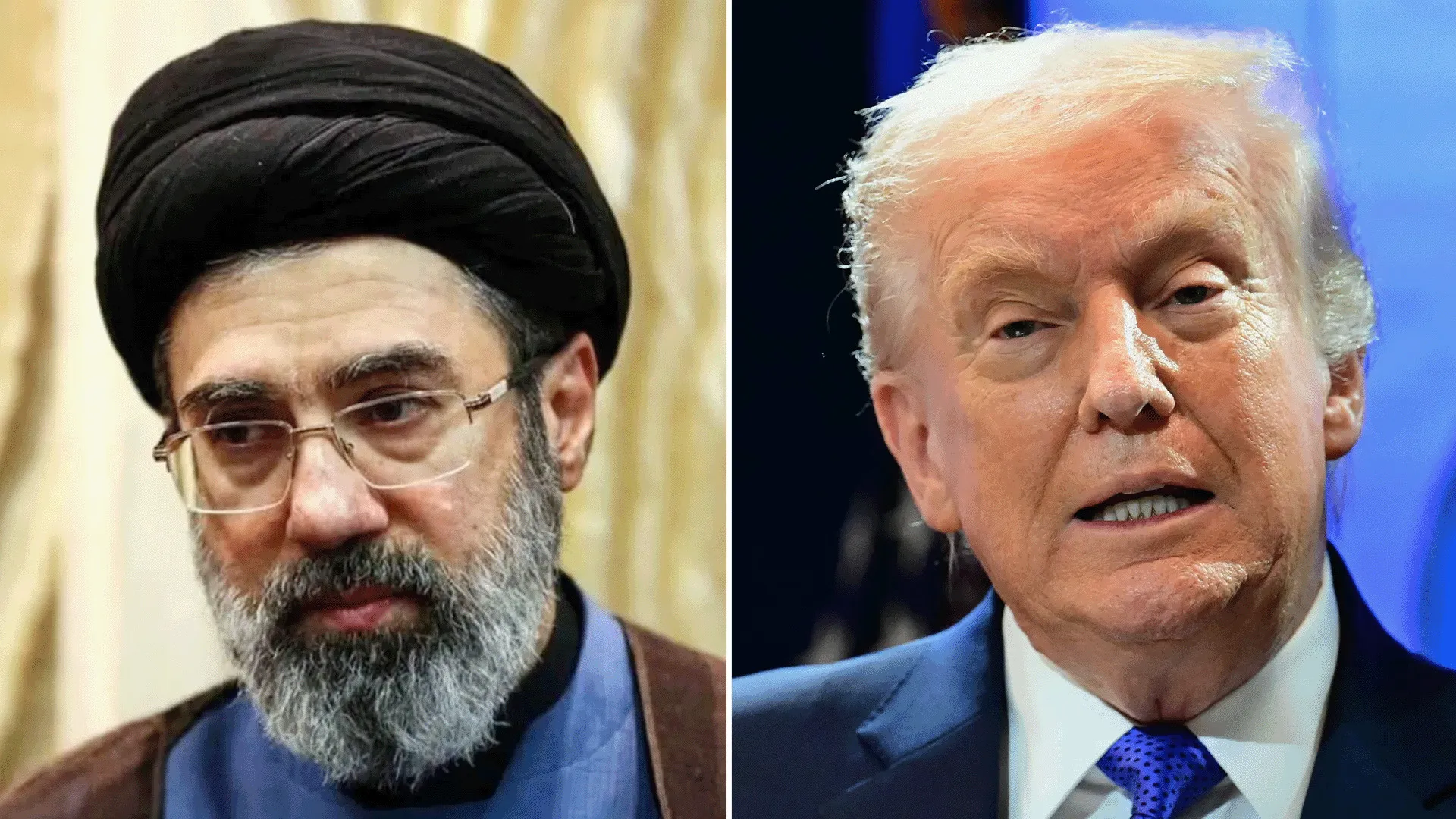
Challenges are mounting for any potential agreement between Washington and Tehran, with distrust being the primary obstacle. Experts believe that the Strait of Hormuz is a pivotal point in negotiations.
Despite ongoing efforts to find common ground, historical obstacles continue to hinder progress. Many experts have pointed out that the accumulated distrust over decades makes it difficult to reach a lasting agreement, even if the terms on the table seem enticing.
Details of the Event
Dr. Hassan Ahmadian, a professor of Middle Eastern Studies at the University of Tehran, clarified that Iran will not treat the American 15-point paper as a basis for negotiation. This document is seen as a comprehensive retreat in military capabilities, the nuclear program, and Iranian regional policy, which particularly concerns Israel and the United States.
In this context, Ahmadian intends to present a special Iranian paper related to the Strait of Hormuz, indicating that Iran will not cease fighting unless the fires stop on all fronts, including Lebanon. He added that Iran understands that war will not end with the silence of guns, but will take new forms of assassinations, intelligence operations, and economic pressure.
Background & Context
Historically, US-Iranian relations have experienced sharp fluctuations, marked by periods of intense tension and negotiations. After the nuclear agreement in 2015, from which the United States withdrew in 2018, the situation returned to square one, complicating the landscape further. With rising tensions, the Strait of Hormuz, through which about 20% of the world's oil passes, has become a focal point in any negotiations.
Experts believe that any future agreement must consider the regional and international dimensions of the crisis, including its impact on Gulf security and maritime routes. Additionally, internal pressures in Iran, such as inflation and street demands, play a role in shaping Tehran's stance on negotiations.
Impact & Consequences
Under these circumstances, Dr. Saleh Al-Mutairi, head of the Al-Madar Center for Political Studies, sees the key to the solution in the concept of mutual understanding. He emphasizes that any agreement must address the security concerns of both nations while fostering a climate of trust.
The potential for conflict remains high if negotiations fail, particularly given the strategic importance of the Strait of Hormuz. The implications of a breakdown in talks could lead to increased military presence in the region and heightened tensions among neighboring countries.
Regional Significance
The Strait of Hormuz is not only vital for oil transportation but also serves as a strategic chokepoint that influences global energy markets. Any disruption in this area could have far-reaching effects on oil prices and international relations.
In conclusion, the path to a US-Iran agreement is fraught with challenges, primarily stemming from deep-seated distrust and historical grievances. The role of the Strait of Hormuz as a negotiating point underscores the complexities involved in achieving a lasting resolution.