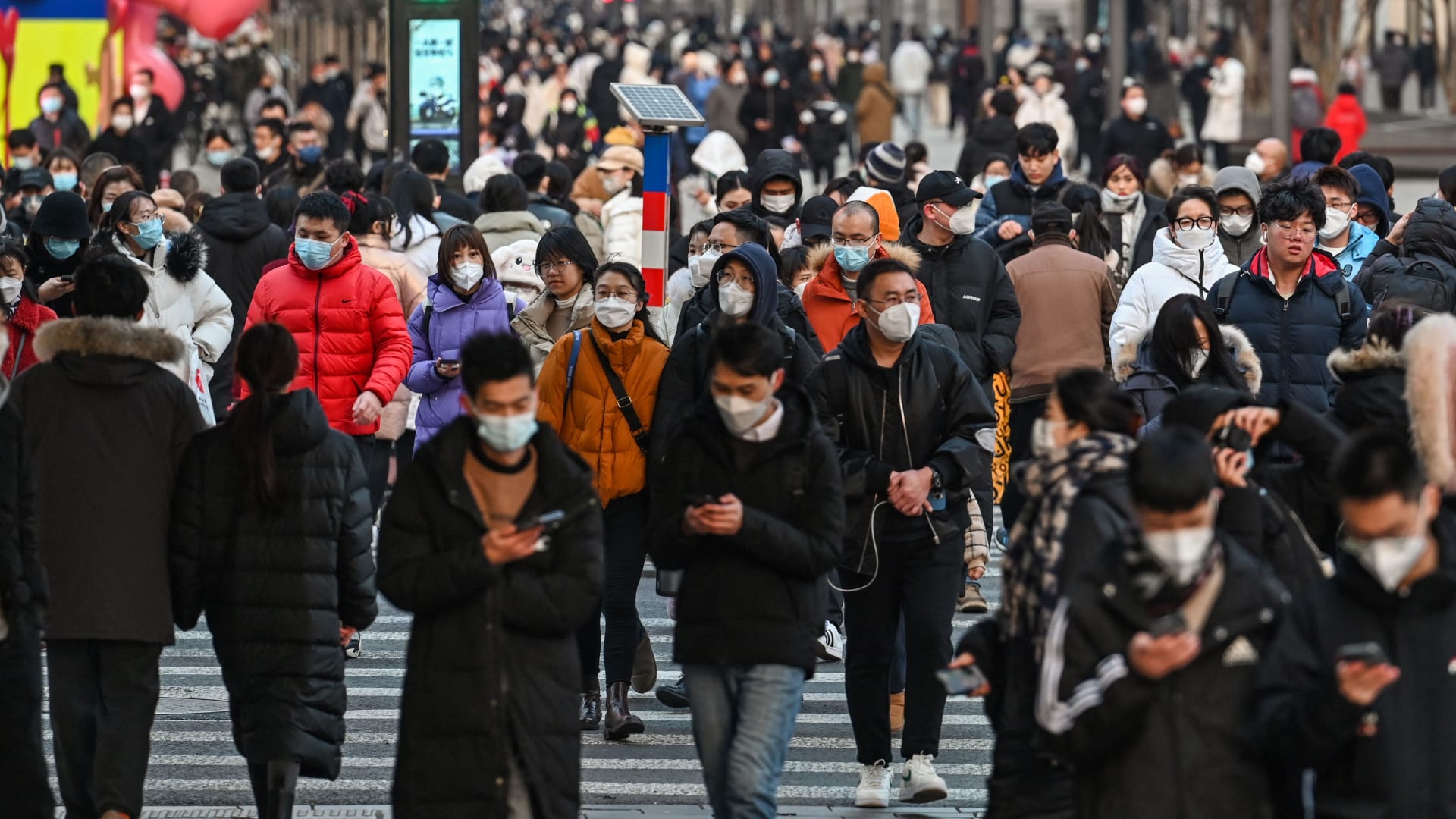
Recent data released on Friday indicates that the number of Chinese residents in Japan has seen a notable increase, despite rising tensions between the two countries. Statistics show that this increase comes at a time when political and economic disputes between Japan and China are escalating, raising questions about the underlying reasons for this trend.
According to the data, the Chinese population in Japan has been steadily rising, reflecting the growing economic and cultural appeal of the country. Despite political tensions, many Chinese individuals appear to be choosing to relocate to Japan in search of better job and educational opportunities.
Details of the Event
Statistics indicate that the Chinese population in Japan has surpassed 800,000, making them the largest foreign community in the country. This increase occurs at a time when relations between China and Japan are strained, with escalating disputes over historical and security issues. For instance, tensions have risen over disputed islands in the East China Sea, in addition to trade and technology-related issues.
In recent years, Japan has also witnessed an increase in the number of Chinese students studying at Japanese universities, reflecting the desire of many to benefit from higher education in Japan. This trend also mirrors changes in Japanese educational policies aimed at attracting more international students.
Background & Context
Historically, relations between China and Japan have been complex, characterized by periods of cooperation and tension. After World War II, Japan began to rebuild its relations with China, but these remained strained due to issues such as acknowledgment of the colonial past. In recent years, these tensions have intensified due to regional disputes and economic competition.
China is considered one of Japan's largest trading partners, with the Japanese economy heavily reliant on trade with China. However, political tensions impact these relations, making it difficult to predict the future of cooperation between the two countries.
Impact & Consequences
The increase in the Chinese population in Japan raises questions about how this will affect relations between the two countries. On one hand, this increase could contribute to enhanced cultural and economic exchange between Japan and China. On the other hand, political tensions may lead to heightened negative sentiments towards Chinese residents in Japan, potentially affecting their daily lives.
This increase may also influence government policies in Japan, as the government may need to take measures to improve relations with the Chinese community, especially amid current tensions. Japan may also witness changes in its immigration policies to attract more foreign labor.
Regional Significance
The relations between China and Japan are significant not only for the two countries but also for the Arab region. China is a key trading partner for many Arab nations, and thus any changes in Sino-Japanese relations could impact trade and investments in the region.
Furthermore, the growing Chinese population in Japan may open new avenues for cooperation between Arab countries and China, particularly in education and culture. These relations could be beneficial for Arab nations seeking to enhance cooperation with China under the Belt and Road Initiative.
In conclusion, the increase in the Chinese population in Japan reflects the complex interactions between the two sides, where economic and cultural factors intertwine with political tensions. It is essential to monitor these developments to understand how they will influence international relations in the future.