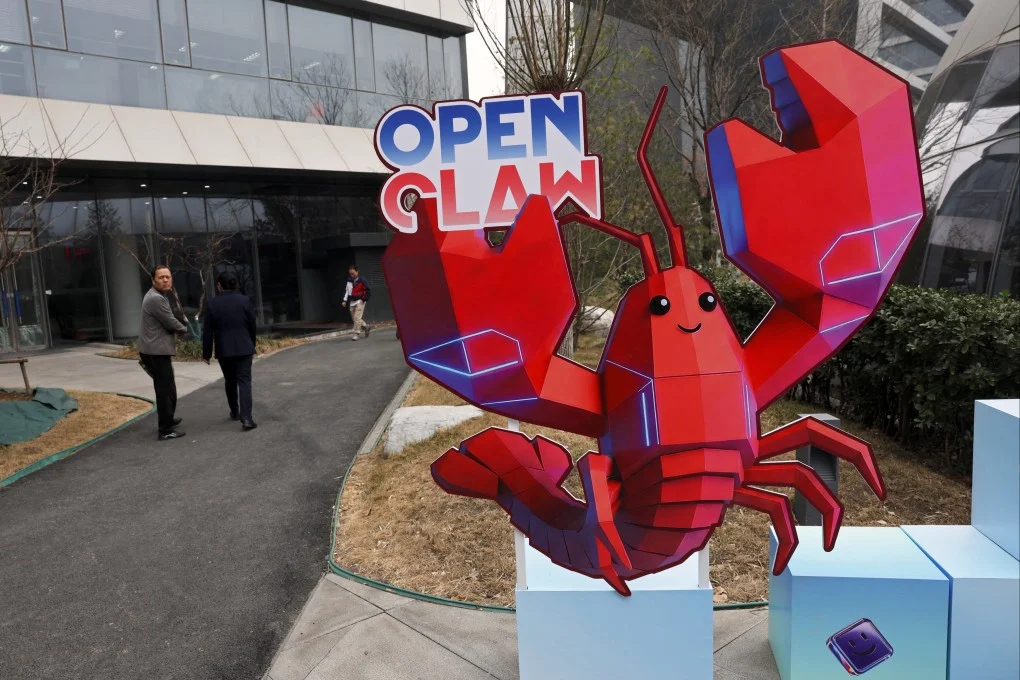
The events in the Chinese technology world are accelerating as major companies exchange accusations and statements following the American company Anthropic's decision to withdraw its leading models Claude from the open tool OpenClaw. This decision comes at a time when the demand for artificial intelligence tokens, which are considered the primary measure of utilizing this technology, is witnessing a significant increase.
This move by Anthropic is seen as a severe blow to many companies that rely on these models to develop artificial intelligence applications. These developments have led to escalating tensions among Chinese companies that are eager to capitalize on this market gap.
Details of the Withdrawal
On Sunday, Anthropic announced its surprising decision to withdraw the Claude models, sparking mixed reactions within the tech community. This decision reflects the challenges companies face amid a growing global computational power shortage, which threatens their ability to meet the increasing demand for artificial intelligence.
Chinese companies, such as Baidu and Tencent, are seeking to exploit this situation by developing new competitive models. However, technical and financial challenges may hinder these efforts.
Background & Context
In recent years, there has been a significant boom in the field of artificial intelligence, with smart applications becoming an integral part of daily life. However, this boom has come with substantial challenges, including a shortage of computational power necessary to support these applications. In this context, artificial intelligence tokens are a vital indicator of the use of this technology, making it essential for companies to develop effective strategies to address the increasing demand.
The use of artificial intelligence dates back several decades, but recent technological advancements have accelerated this trend at an unprecedented pace. Nevertheless, competition among major companies may exacerbate the challenges facing the industry.
Impact & Consequences
The withdrawal of Anthropic from OpenClaw may have significant effects on the market, as it opens the door for other companies to develop new models. However, this could intensify competition among companies, potentially leading to a reduction in innovation in some cases.
Moreover, the shortage of computational power may hinder companies' ability to meet the growing demand, which could negatively impact overall market growth. It is crucial for companies to find innovative solutions to tackle these challenges.
Regional Significance
The implications of this situation extend beyond the immediate market dynamics, as it may present new opportunities for investment in artificial intelligence technologies, particularly for countries in the Arab region. The evolving landscape could foster collaborations and partnerships aimed at enhancing technological capabilities.
In conclusion, the withdrawal of Anthropic from the OpenClaw platform not only reshapes the competitive landscape among Chinese companies but also highlights the pressing need for innovative solutions to meet the surging demand for artificial intelligence applications.