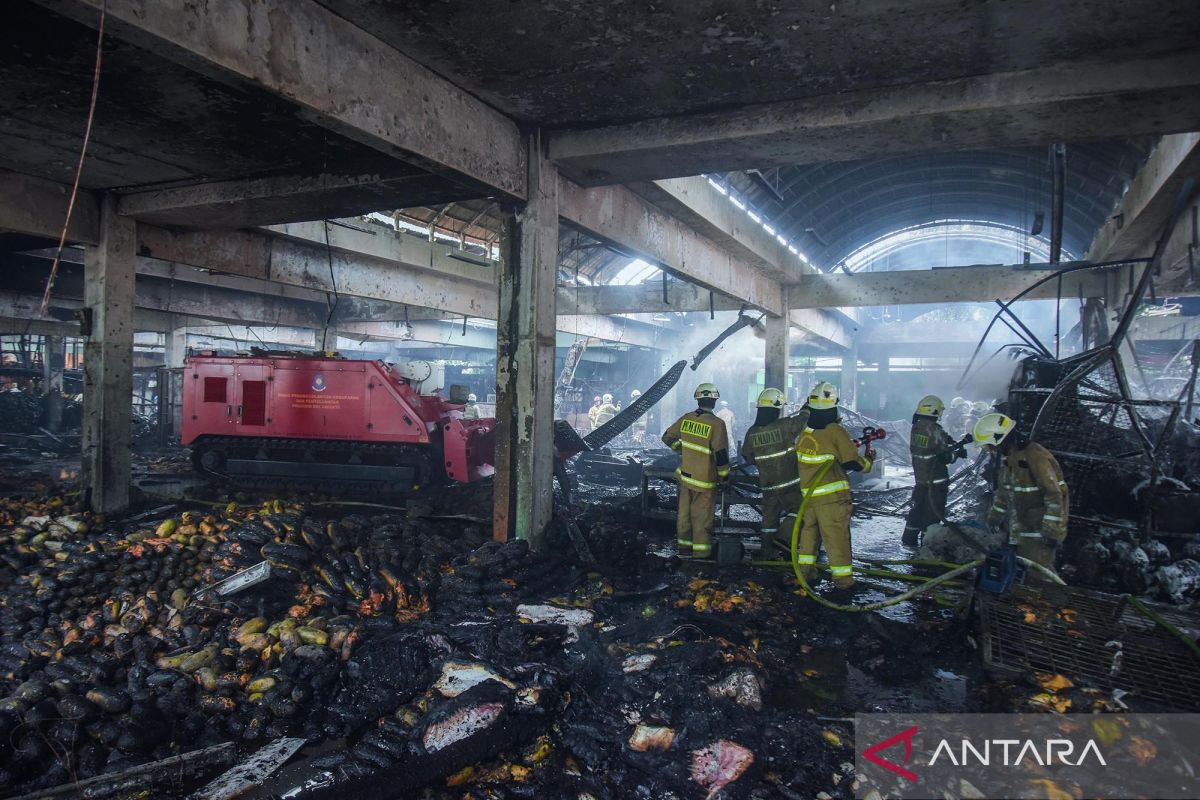
In Jakarta, traders are increasingly complaining about waste accumulation in the Kramat Jati market, negatively impacting buying and selling activities. One trader, Suratno, expressed his dissatisfaction with the current situation, pointing out that the roads have become narrow due to the waste buildup, hindering traffic flow.
These complaints come at a sensitive time as the local government seeks to improve public services and meet citizens' needs. Suratno noted that the situation was better in the past, but the increasing waste has become an obstacle to business activities.
Details of the Situation
In this context, Jakarta's Governor, Pramono Anung, announced plans to introduce new legislation related to waste management and improve infrastructure in markets. He confirmed that the government would work on effective solutions for waste disposal and enhance working conditions for traders.
The city has also witnessed a new initiative regarding remote work for government employees, with Pramono stating that this decision would not apply on Wednesdays to avoid congestion in public transport.
Background & Context
Jakarta is considered one of the largest cities in the world, facing significant challenges in waste management. According to previous reports, approximately 7.5 million tons of waste are produced annually in the city, necessitating effective strategies for disposal.
Historically, the city has seen numerous initiatives to improve waste management, but challenges remain, especially in popular markets like Kramat Jati, which is one of the most prominent markets in the capital.
Impact & Consequences
The consequences of waste accumulation in the Kramat Jati market extend beyond environmental dimensions, affecting the local economy and causing a decline in buying and selling activities. The current situation may also lead to a deterioration in public health, necessitating urgent intervention from the government.
The new plans announced by the governor are expected to improve conditions in the markets, but the success of these plans depends on effective implementation and cooperation between the government and traders.
Regional Significance
Waste management is a critical issue facing many Arab countries as well, with numerous cities suffering from waste accumulation and its impact on the environment and public health. Jakarta's experience could serve as an important lesson for Arab countries on how to address this problem.
In conclusion, the situation in Jakarta requires a swift and effective response from the government and the local community to ensure improved living and business conditions in the city.