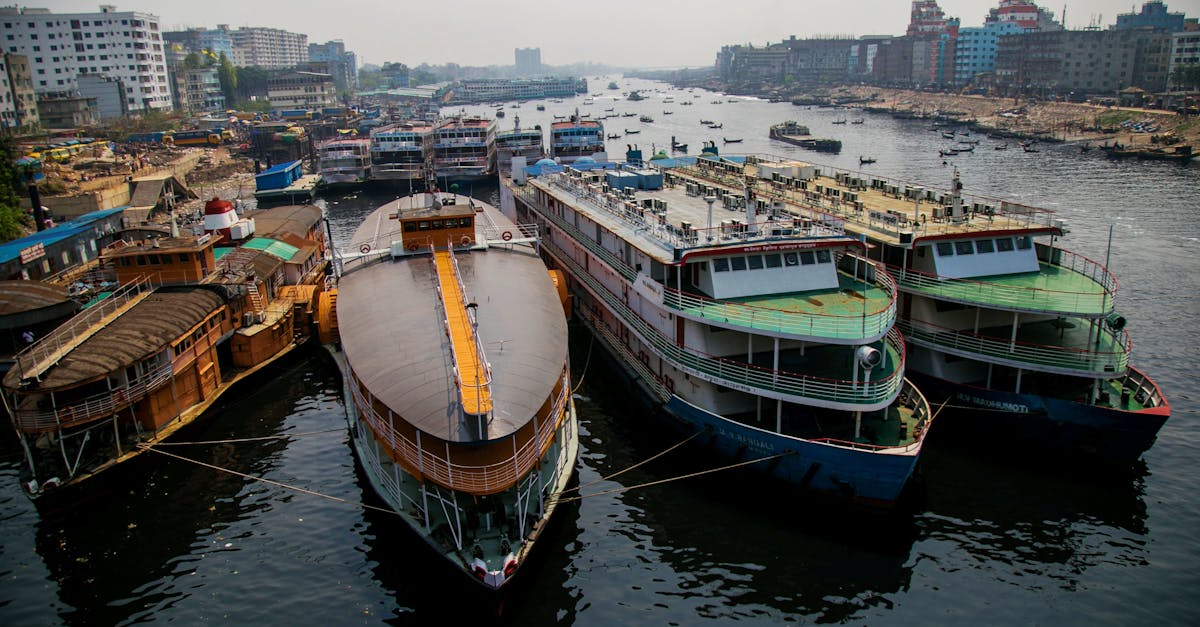
Bangladesh is suffering from severe economic repercussions as a result of the disruptions caused by the Iranian war, with costs rising significantly and many citizens losing their sources of income. These crises present new challenges for the government that require urgent action.
Reports indicate that the war in Iran has indirectly impacted the Bangladeshi economy, leading to increased prices for essential goods and a decline in local production. Many workers are experiencing job losses, which heightens social and economic pressures on families.
Details of the Event
The conflict in Iran has caused disruptions in global supply chains, affecting the import of goods to Bangladesh. Food and fuel prices have surged, increasing the cost of living. According to local reports, prices for rice and oils have risen by as much as 20% in recent weeks.
Additionally, many factories have closed due to a shortage of raw materials, resulting in thousands of workers losing their jobs. The textile sector, which is one of the most important economic sectors in Bangladesh, has been particularly hard hit, as it heavily relies on imported materials.
Background & Context
Historically, Bangladesh has depended on its textile and garment exports to generate national income. However, political and economic crises in the region, including conflicts in Iran, have adversely affected this sector. Since the onset of the conflict, the country has experienced fluctuations in exchange rates, complicating the economic situation further.
Bangladesh is considered one of the most vulnerable countries to the negative impacts of regional conflicts, as it heavily relies on international trade. These crises have led to increased poverty and unemployment, threatening social stability.
Impact & Consequences
Many economic organizations predict that these crises will persist for an extended period, potentially exacerbating the economic situation in Bangladesh. Experts indicate that the government needs to take urgent measures to support affected citizens, including providing financial aid and facilitating access to essential goods.
There is also an urgent need to enhance local production and reduce reliance on imports, which requires investments in local infrastructure and the development of domestic industries. The government's response to these challenges will determine the future of the Bangladeshi economy in the coming years.
Regional Significance
The events in Bangladesh are part of a larger picture concerning economic stability in the region. Conflicts in the Middle East, including the Iranian war, directly affect neighboring countries, complicating the economic conditions in Arab nations.
Arab countries need to closely monitor these developments, as economic crises in Bangladesh could impact trade and investment in the region. Regional cooperation may be the solution to address these challenges.