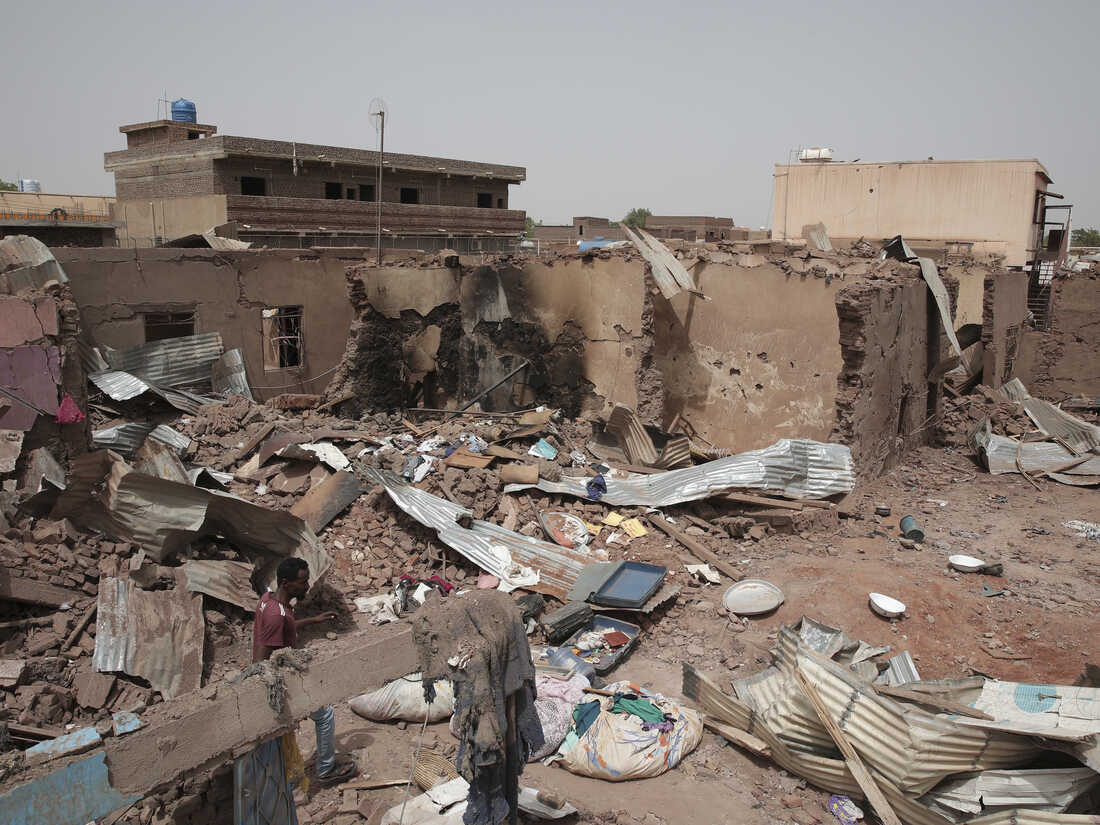
Both the World Health Organization (WHO) and the United Nations Children's Fund (UNICEF) have reported a rise in the number of casualties in Sudan to 2042 dead and 785 injured as a result of continuous attacks on medical facilities since the outbreak of conflict in 2023. This announcement was made in a joint statement issued on Saturday, April 4.
According to the report, 214 attacks have been recorded on health service facilities, reflecting the escalating violence in the country. Additionally, 184 deaths and 295 injuries were reported during the first quarter of 2026 alone, highlighting the deteriorating humanitarian situation in Sudan.
Details of the Incident
Concerns are growing over the increasing frequency of attacks on health facilities, with Shibli Sahbani, WHO representative in Sudan, confirming that these attacks hinder access to health services at a time of urgent need. He called on all parties involved to protect patients and health workers.
On his part, Sheldon Yett, UNICEF representative, pointed out that attacks on hospitals represent a serious violation of children's rights, depriving them of protection and essential services during crises. Both organizations have confirmed that these attacks contravene international humanitarian laws and exacerbate the worsening humanitarian crisis.
Background & Context
Since mid-April 2023, Sudan has been witnessing a conflict between the Sudanese Armed Forces (SAF) and the Rapid Support Forces (RSF), resulting in the deaths of tens of thousands and the displacement of millions. This conflict has cast a shadow over the humanitarian situation in the country, where the population suffers from a severe shortage of essential services, including healthcare.
Historically, Sudan has experienced numerous armed conflicts that have worsened humanitarian conditions, but the current situation is considered one of the worst, with health facilities being repeatedly attacked, further increasing civilian suffering.
Impact & Consequences
Attacks on health facilities exacerbate humanitarian conditions, as patients suffer from a lack of necessary medical care. These attacks also reflect a disregard for international humanitarian laws, raising concerns in the international community about the protection of civilians in conflict areas.
The current crisis requires an urgent response from the international community, as all parties must respect civilian rights and ensure access to humanitarian aid. The continuation of these attacks could worsen humanitarian conditions and increase the suffering of the population.
Regional Significance
The situation in Sudan is a source of concern for Arab countries, as the conflict could lead to security and economic repercussions in the region. The influx of refugees from Sudan to neighboring countries may increase pressure on those nations, necessitating international coordination to address these challenges.
In conclusion, the international community must act urgently to protect civilians in Sudan and ensure the delivery of humanitarian aid. The current situation requires a concerted international effort to end the conflict and achieve peace in the country.