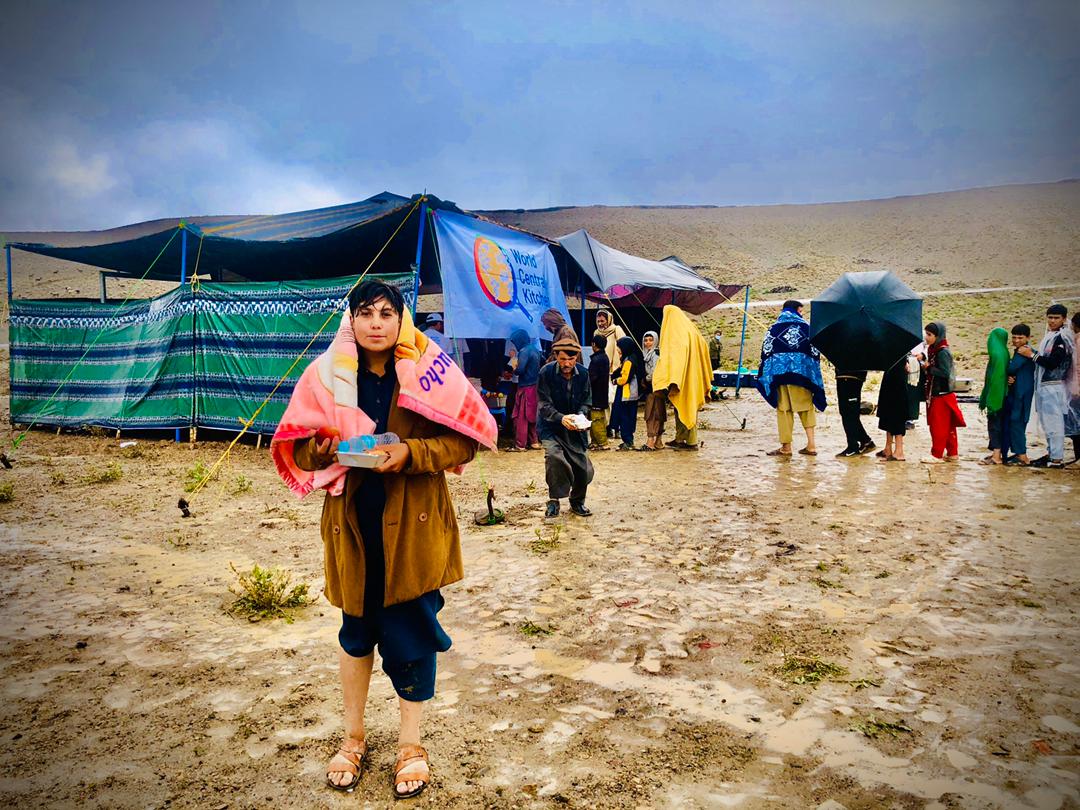
Afghan authorities have announced that the number of casualties due to severe weather conditions has risen to 110 people, as storms and floods continue to affect the impacted regions. This natural disaster has led to the destruction of many homes and public facilities, exacerbating the suffering of residents who are already facing difficult economic and health conditions.
Reports indicate that the storms that swept across the country in recent days caused landslides and flooding in several areas, resulting in the loss of many lives. Dozens have also been reported injured, further straining the country's struggling healthcare system.
Details of the Incident
The mountainous regions of Afghanistan typically experience natural disasters due to climate changes, but this time the storms were more severe than usual. Heavy rainfall caused river levels to rise, leading to sudden flooding. Images circulated on social media have shown horrific scenes of the destruction left by these disasters.
Meanwhile, rescue teams are working to provide assistance to those affected, with food supplies and medical aid sent to the hardest-hit areas. However, access to some remote regions remains difficult due to damage to infrastructure.
Background & Context
Afghanistan has faced significant challenges for decades, suffering from internal conflicts and economic pressures. These conditions have been exacerbated by climate changes affecting agriculture and water resources. In recent years, the country has seen an increase in the frequency and severity of natural disasters, highlighting the urgent need for effective strategies to adapt to these changes.
Historically, Afghanistan has been prone to such disasters, but current climate changes are increasing the frequency and intensity of these events. A rapid and effective response to these disasters requires coordination between the government and humanitarian organizations.
Impact & Consequences
The effects of natural disasters extend beyond human losses, impacting the local economy and increasing the suffering of the population. The loss of homes and farms means that many families will face difficulties securing their livelihoods, potentially worsening humanitarian conditions.
These disasters also affect relief and development efforts in the country, as they require financial and human resources to address recurring crises. An effective response to these disasters necessitates ongoing international support, which may be challenging under the current political circumstances.
Regional Significance
The natural disasters in Afghanistan serve as a reminder of how climate changes impact all countries around the world, including Arab nations. The challenges faced by Afghanistan may be similar to those encountered by some Arab countries, such as flooding and drought.
Enhancing regional cooperation to address climate changes and sharing expertise in disaster management could have a positive impact on the entire region. Supporting countries affected by natural disasters is a shared responsibility that requires concerted international efforts.