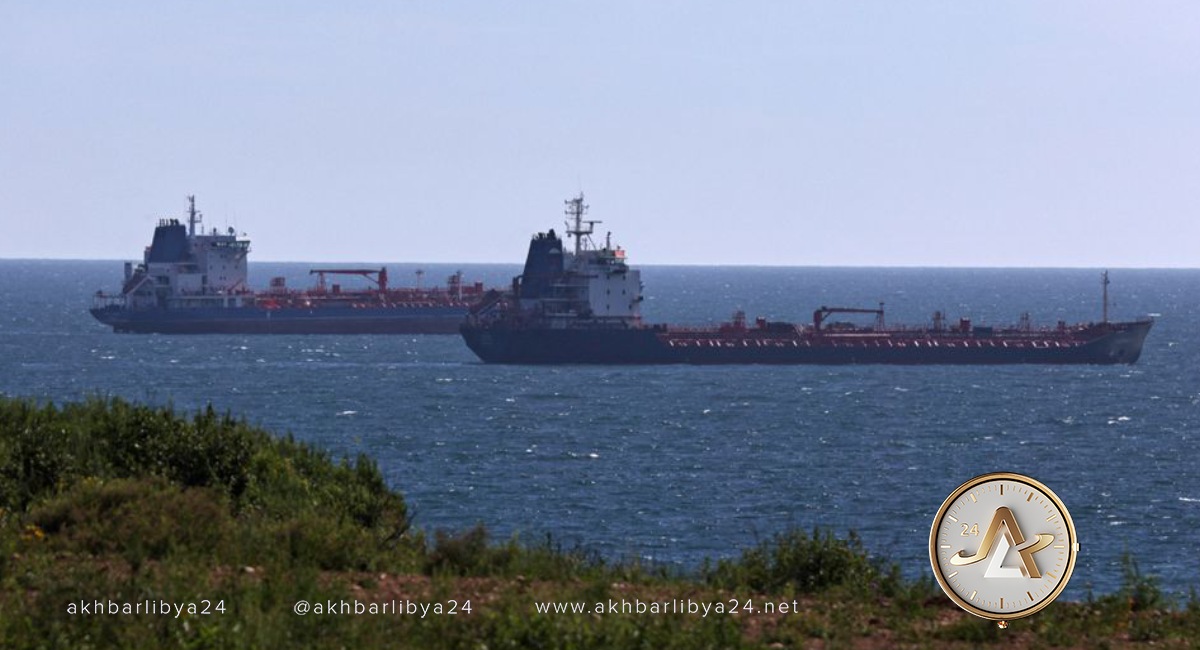
Russian oil shipments have experienced a notable rebound following the announcement by the United States to lift sanctions imposed on this sector, leading to increased demand from buyers. In contrast, demand for Iranian shipments remains cautious, as buyers hesitate to make quick decisions regarding these shipments.
These developments come at a time when the global oil market is experiencing significant fluctuations, as many countries seek to secure energy supplies amid escalating geopolitical crises. With the lifting of sanctions, buyers can take advantage of competitive prices for Russian oil, thereby enhancing Russia's position in the global market.
Details of the Event
Reports indicate that several global oil companies have begun purchasing large quantities of Russian oil, capitalizing on the opportunity presented by the lifting of sanctions. This reflects a shift in market dynamics, as Russia had been under significant pressure due to previous sanctions.
On the other hand, buyers continue to approach Iranian shipments with caution, as sanctions against Iran remain in place, making it difficult for companies to make swift decisions regarding these shipments. This situation reflects ongoing political tensions in the region, which directly impact companies' decisions in the energy sector.
Background & Context
Historically, both Russia and Iran have been among the largest oil producers in the world, and their exports have been significantly affected by Western sanctions. In recent years, Russia has sought to strengthen its trade relations with countries like China and India, while Iran has been looking for new markets to compensate for losses incurred due to sanctions.
The lifting of American sanctions on Russian oil represents a strategic shift in U.S. policy, as the United States aims to reduce its dependence on oil from certain countries while simultaneously seeking to stabilize the global market. This trend could contribute to a realignment of power dynamics in the global energy market.
Impact & Consequences
The increase in demand for Russian oil could bolster the Russian economy, granting the Russian government more power on the international stage. Conversely, the cautious approach to Iranian oil may exacerbate the economic situation in Iran, which is already under significant economic pressure.
This situation could contribute to heightened tensions between Western countries and Iran, as the United States may seek to impose further pressure on Tehran. Additionally, this could affect global oil prices, as increased demand for Russian oil may lead to price hikes, impacting importing countries.
Regional Significance
Arab countries are directly affected by these changes in the oil market, as many Arab nations rely on oil revenues. If demand for Russian oil continues to rise, it could lead to price fluctuations that affect the economies of oil-producing Arab countries.
Moreover, increasing tensions between Iran and Western countries could have negative implications for regional security, complicating the situation in the Middle East. It is crucial for Arab nations to closely monitor these developments, as they could significantly impact their economic and political strategies.