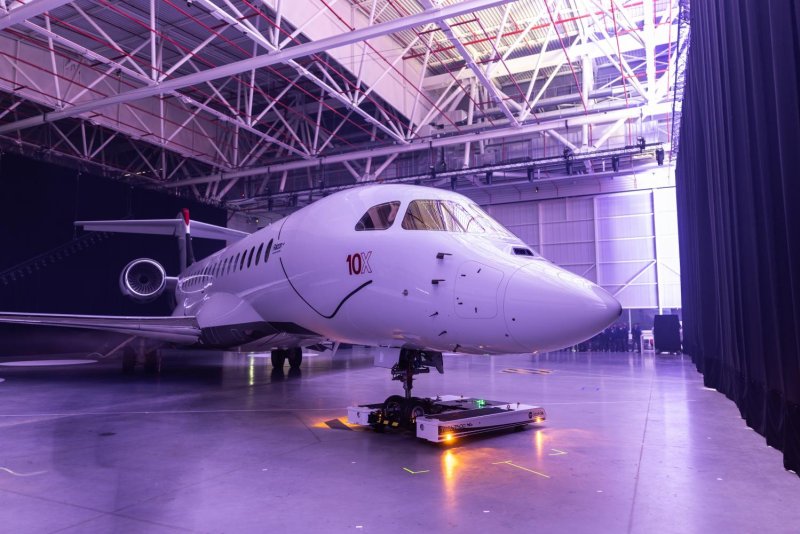
Southeast Asia, especially Thailand, is experiencing a substantial boom in the use of private jets, with demand notably increasing amid disruptions in commercial flights resulting from the conflict in the Middle East. Aircraft manufacturers are keen to market their latest long-range models to wealthy individuals seeking to expand their businesses internationally.
According to a report by Astute Analytica, the global private jet market is expected to reach a value of $20.8 billion by 2024, with projections of hitting $29.8 billion by 2033. The report indicates that many business leaders view private jets as a means to save time and significantly enhance productivity.
Event Details
Nattaphat Sipunrong, CEO of MJets, emphasizes that private jets allow business leaders to stay connected and advance their operations, particularly when dealing with foreign investors and operators. In Thailand, the number of politicians and business leaders owning private jets is on the rise, with an estimated 45 jets in the country.
The ongoing expansions in commercial aviation capacity and airport infrastructure in Thailand are fostering a more supportive environment for private aviation services. The private jet market in Thailand is expected to bolster the continuous flow of luxury tourism, foreign investment, and the gradual digitization of private jet booking platforms.
Background & Context
The Asia-Pacific region is considered one of the least saturated markets for private jets, representing only 7% of the total global private jet fleet. This indicates long-term opportunities for the region, with the market expected to record an annual growth rate of 5% in the coming years.
Companies from Southeast Asia are looking to invest in mature markets like the United States and Europe, necessitating long-range and fast jets to save travel time. Additionally, the demand for private jets is increasing among the wealthy, with reports indicating that the number of individuals with assets exceeding $30 million has risen by 4.2% annually in 2024.
Impact & Consequences
Private jets are becoming a vital tool for business leaders in expanding their operations, increasingly used for transporting executives to meetings and site visits. While the use of private jets in Thailand remains lower compared to mature markets like the United States, there is significant potential for growth. Most private jet users in Thailand utilize this service for business purposes, although it is not as prevalent as in other countries.
Aircraft manufacturers such as Dassault Aviation anticipate that the new Falcon 10X model will be a game-changer in the private jet market, offering the largest business cabin in the world. The demand for large jets, like the Gulfstream G700, is also witnessing a notable increase, reflecting the growing needs of the market.
Regional Significance
The rising demand for private jets in Asia could have direct implications for the Arab region, where Arab countries may also see an increase in the use of these aircraft by business leaders. With the growing Arab investments abroad, private jets may become a preferred means of travel between countries, contributing to strengthening business relations.
In conclusion, the private jet market in Asia appears to be undergoing a significant transformation, reflecting the economic and social changes in the region. As growth in this sector continues, similar changes may be observed in Arab markets in the near future.