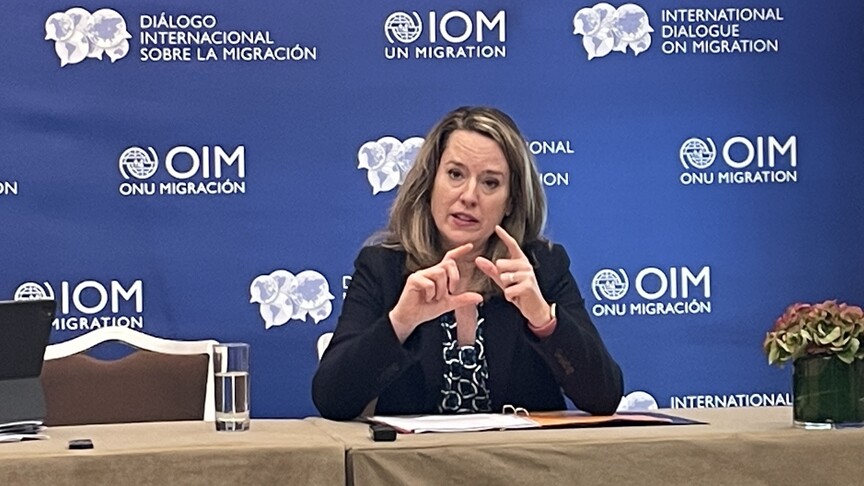
Amy Pope, head of the UN Migration Agency, expressed deep concern about the deteriorating situation in Lebanon, where estimates indicate that over 1.2 million people have been displaced due to the ongoing conflict. Pope emphasized the urgent need for immediate steps to halt the escalation and protect civilians at all times.
In her statements, Pope noted that the conflict in Lebanon has exacerbated humanitarian conditions, necessitating an urgent response from the international community. She urged all parties involved to adhere to human rights principles and ensure the safety of civilians.
Details of the Event
The intensity of the conflict in Lebanon is increasing, leading to worsening humanitarian and economic crises. Reports have shown that the conflict has significantly impacted the most vulnerable groups, including women and children. Displaced individuals are suffering from a severe lack of humanitarian aid, further increasing their hardships.
The United Nations is striving to provide necessary support to those affected, but logistical and political challenges hinder its efforts. Pope underscored the importance of international cooperation in addressing this crisis, stressing that the protection of civilians must be a top priority.
Background & Context
Lebanon has a long history of conflicts and struggles, significantly affected by regional crises. Since the outbreak of the civil war in the 1970s, Lebanon has undergone harsh experiences of violence and displacement. With the current tensions escalating, the country appears to be facing one of the worst humanitarian crises in its modern history.
The political and economic dimensions in Lebanon are intertwined, with the economy experiencing a significant collapse, exacerbating humanitarian crises. This has led to deteriorating living conditions for many citizens, making them more susceptible to displacement.
Impact & Consequences
The repercussions of the conflict in Lebanon extend beyond the country itself, affecting the entire region. As the number of displaced individuals rises, Lebanon's neighbors face new challenges in accommodating these people and providing necessary support. These conditions could exacerbate humanitarian crises in neighboring countries.
Moreover, the conflict may impact regional stability, potentially escalating tensions between neighboring countries. Therefore, a swift and effective response from the international community is essential to prevent further deterioration of the situation.
Regional Significance
The humanitarian crises in Lebanon are part of a broader landscape in the Arab region, where many countries are suffering from conflicts and struggles. The mass displacement from Lebanon may contribute to increased pressures on neighboring countries, such as Jordan and Syria, which are already hosting large numbers of refugees.
Arab nations must collaborate to address these humanitarian challenges by providing support to those affected and working towards long-term solutions to the crises in the region. The stability of Lebanon is a crucial component of the overall stability of the region.