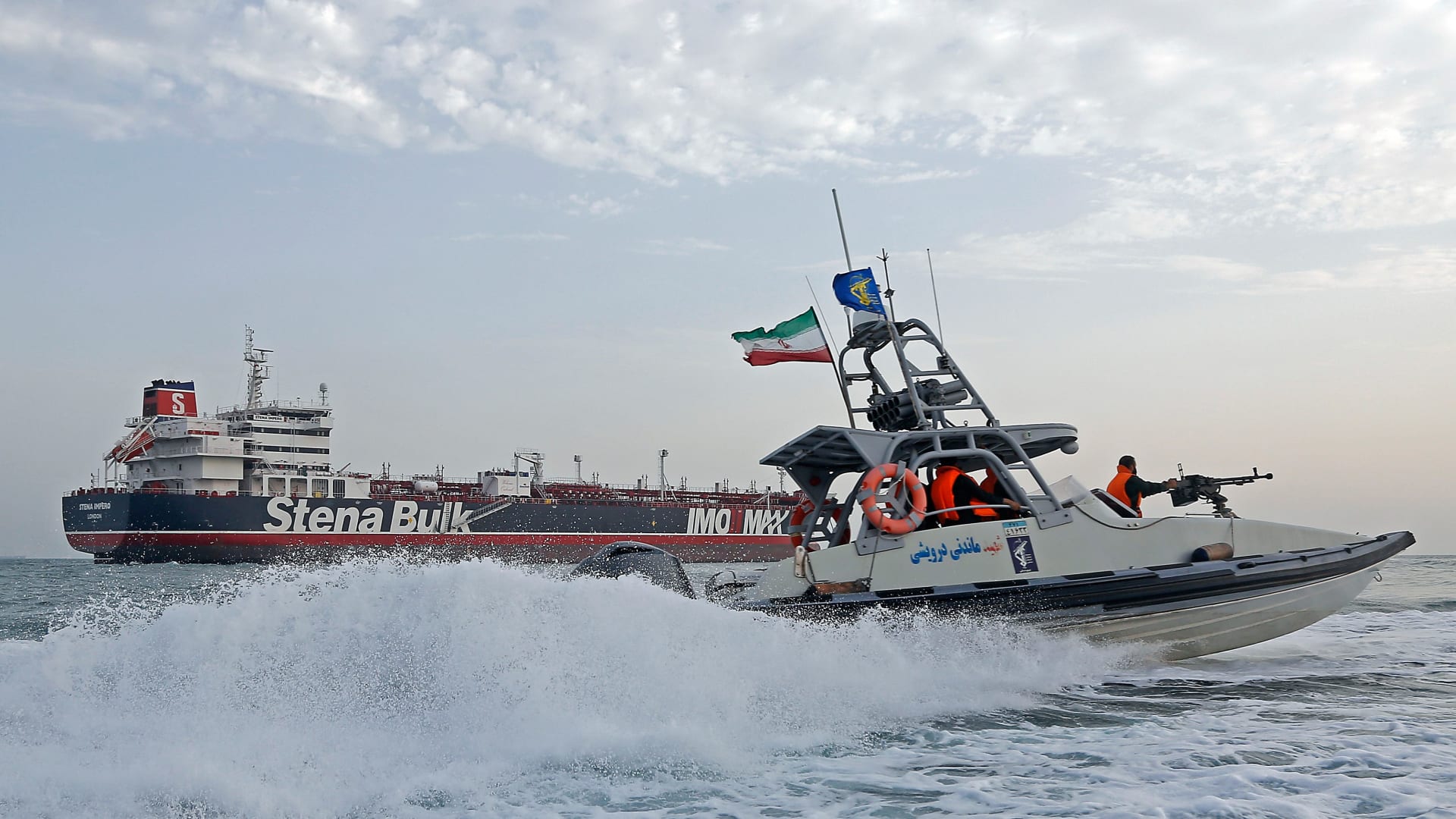
U.S. Secretary of State Marco Rubio revealed an increase in the amount of energy flowing through the Strait of Hormuz, noting that while this flow is still less than it should be, it has seen a significant improvement recently. This statement was made during his remarks to reporters, where he confirmed that intermediary countries are playing a role in conveying messages between the United States and Iran, and that there is progress in ongoing talks.
Rubio added that "there is an increasing amount of energy flowing through the strait, although it is not sufficient, some improvement has been noted." He explained that the exchange of messages between the concerned parties is an ongoing and evolving process, stating that details will not be discussed in the media.
Details of the Event
Rubio's statements are part of the United States' efforts to enhance security in the Gulf region, where the Strait of Hormuz is considered one of the most important maritime passages in the world, through which approximately 20% of the world's total oil passes. These statements come at a sensitive time, as U.S.-Iran relations are experiencing increasing tensions, especially following the U.S. withdrawal from the Iranian nuclear deal in 2018.
The United States is seeking to ensure the stability of global energy markets amid concerns over escalating military tensions in the region. Recent events, including attacks on oil tankers, have heightened fears regarding the safety of navigation in the strait.
Background & Context
The Strait of Hormuz is a vital transit point for oil and natural gas, regarded as the lifeblood of global economies. Historically, the strait has witnessed numerous crises, including wars and regional conflicts. In recent years, tensions between Iran and the United States have increased, impacting trade flows in the region.
In 2019, the area experienced a series of attacks on oil tankers, prompting the United States to bolster its military presence in the Gulf. Since then, protecting navigation in the Strait of Hormuz has become a top priority for the United States and its allies.
Impact & Consequences
The implications of Rubio's statements extend beyond mere figures related to energy flow. The increase in flow reflects an improvement in relations between Iran and intermediary countries, potentially opening the door for further dialogue. However, the question remains regarding the sustainability of this improvement amid ongoing tensions.
If talks continue on a positive trajectory, they could lead to a relaxation of sanctions imposed on Iran, which could positively impact global oil markets. Conversely, if tensions escalate, it may lead to increased instability in the region and negatively affect oil prices.
Regional Significance
Developments in the Strait of Hormuz directly affect Arab countries, especially those reliant on oil exports. Any changes in energy flow or rising tensions could impact global oil prices, reflecting on the economies of Arab nations. Additionally, regional stability is crucial for Arab national security.
In conclusion, attention remains focused on developments in the Strait of Hormuz, where economic and political interests intersect. Any progress in talks between the United States and Iran could contribute to regional stability, while any escalation could exacerbate crises.