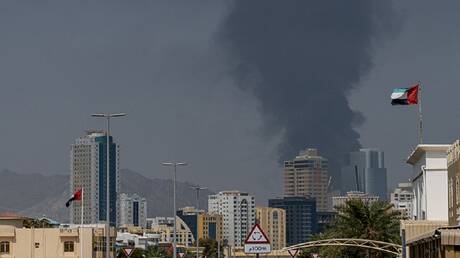
A former advisor to President Donald Trump stated that the worsening crisis in Iran and the economic situation of oil-exporting Gulf countries open the door for the United States and Russia to boost energy supplies to the global market. This comes as oil prices experience significant fluctuations due to geopolitical and economic tensions in the region.
The Iran crisis is one of the most prominent issues affecting the global energy market. With rising tensions between Iran and the United States, concerns have increased regarding the impact of this crisis on oil supplies. At the same time, Gulf oil-exporting countries are facing economic challenges due to falling oil prices and the repercussions of the COVID-19 pandemic.
Details of the Current Situation
During his remarks, the advisor pointed out that the current situation presents a unique opportunity for the United States and Russia to enhance their presence in the energy market. Both countries could increase their oil production and export more natural gas to global markets, which may help meet the rising demand for energy.
He also emphasized that this step could help alleviate economic pressures on Gulf countries, which heavily rely on oil revenues. As demand for energy rises, the United States and Russia could play a pivotal role in fulfilling this demand.
Background & Context
Historically, relations between Iran and the United States have been tense, especially after the Trump administration withdrew from the Iranian nuclear deal in 2018. This withdrawal led to the imposition of strict economic sanctions on Iran, significantly impacting its economy and oil production.
In contrast, Gulf countries are seeking to diversify their economies away from oil, but the challenges they currently face place them in a difficult position. With declining oil prices, these countries need new strategies to ensure the sustainability of their economies.
Impact & Consequences
If the United States and Russia manage to increase energy supplies, it could lead to stabilization of oil prices in global markets. This stability may have positive effects on the global economy, especially amid the economic challenges many countries face due to the COVID-19 pandemic.
However, this situation could also exacerbate tensions among oil-producing countries, as some nations, like Iran, may feel threatened by increased competition. Consequently, we may witness further geopolitical tensions in the region.
Regional Significance
For Arab countries, increased energy supplies from the United States and Russia could mean significant changes in market dynamics. These changes may affect oil prices, which could reflect on Arab economies that heavily depend on oil revenues.
Ultimately, the question remains about how Gulf countries will address these new challenges. Will they be able to adapt to the new situation, or will they face further economic pressures?