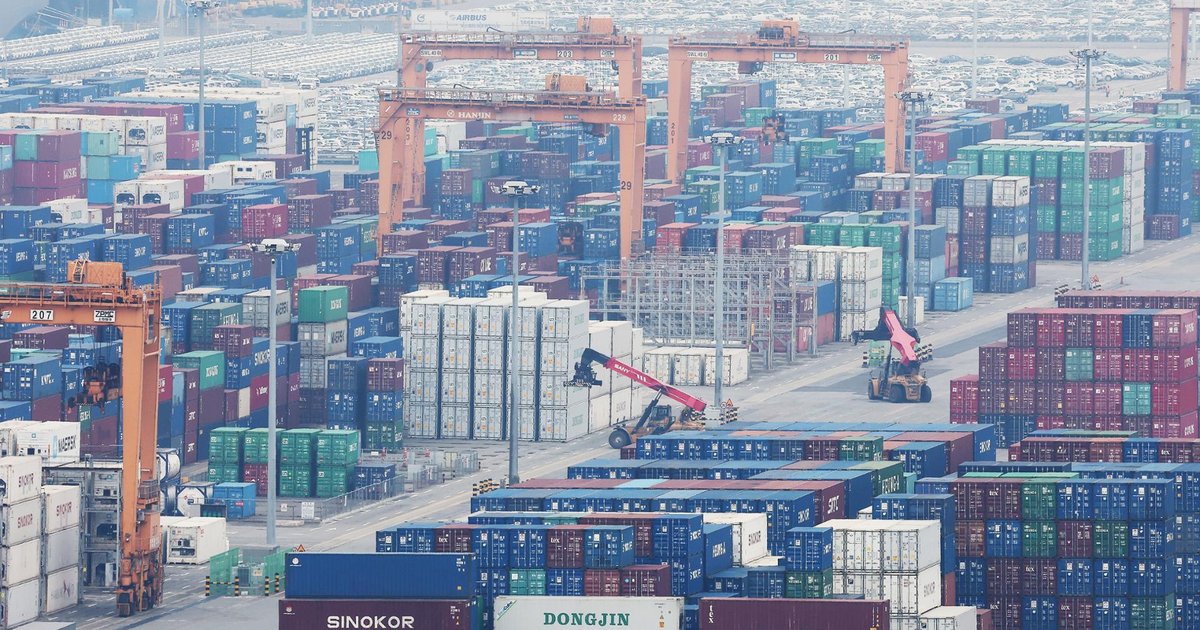
South Korea's food exports have seen a significant increase of 4% this year, reflecting a recovery in the food sector. This rise comes as the country seeks to enhance its position in global markets, where South Korea is considered one of the leading countries in the production and export of food products.
The data shows that this growth in exports reflects the increasing demand for Korean food products in foreign markets, enhancing the country's ability to compete amid global economic challenges. These positive trends are expected to continue in the near future, contributing to the support of the Korean economy.
Event Details
According to official reports, South Korea's food exports have experienced notable growth in several categories, including processed foods and beverages. Factors such as product innovation and effective marketing have contributed to boosting these exports.
There is also a growing interest among consumers in foreign markets for Korean products, reflecting the quality and good reputation of these products. This increase in exports is expected to continue in the coming years, especially with the expansion into new markets.
Background & Context
Historically, South Korea relied heavily on food imports, but over time, the country has significantly developed its food industry. Government policies have played a crucial role in promoting this sector by supporting local farmers and manufacturers.
The shift towards innovation and technology in food production has improved product quality and increased competitiveness. This transformation reflects South Korea's commitment to achieving self-sufficiency in food and enhancing its exports.
Impact & Consequences
The increase in food exports is a positive indicator of the health of the Korean economy, as it reflects the country's ability to adapt to changes in global markets. This growth could also contribute to creating new job opportunities and boosting investments in the food sector.
Moreover, enhancing food exports can help improve South Korea's trade balance, thereby strengthening the stability of the national economy. This situation may have positive effects on the standard of living for the population.
Regional Significance
The Arab countries are considered important markets for Korean food products, as the need to diversify food sources in the region is increasing. With the rise in South Korean exports, greater opportunities for trade cooperation between Korea and Arab countries in the food sector may arise.
This cooperation could contribute to enhancing food security in the region, especially in light of the challenges faced by some countries in securing their food needs. Additionally, the exchange of expertise in agriculture and food industry could benefit both sides.
The increase in South Korea's food exports reflects the success of government policies in promoting this sector and opens new horizons for trade cooperation with other countries, including Arab nations.