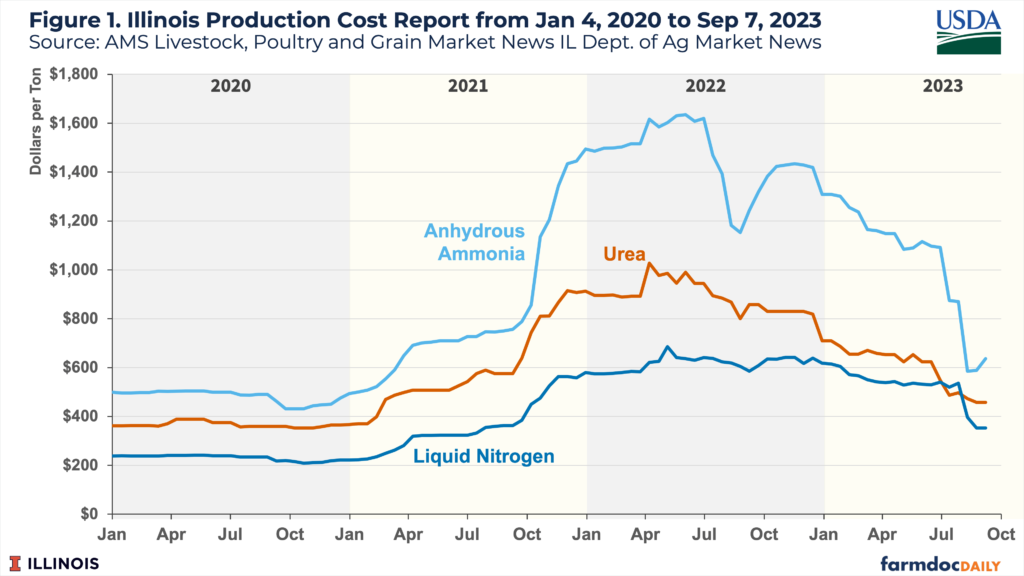
The U.S. Federal Reserve announced this week a freeze on interest rates, a move that reflects caution in the face of increasing economic challenges. This decision comes at a time when the world is witnessing a significant rise in fertilizer and fuel prices, driven by the ongoing war in Iran, which heightens uncertainty in global markets.
Concerns are growing about the impact of these price increases on food costs, as many farmers rely on imported fertilizers that have become more expensive. Additionally, these conditions may affect consumers' ability to purchase homes, as new buyers are allowed to use their retirement savings to ease down payments, potentially increasing demand for homes and driving up prices.
Details of the Situation
These developments coincide with escalating tensions in the Middle East, where the war in Iran directly impacts global supply chains. Reports indicate that fertilizer prices have risen by as much as 30% in some markets, placing additional pressure on farmers who are already struggling with rising production costs.
In this context, the use of social media by farmers is seen as an effective tool to boost demand for their products, but it also carries risks, as viral trends can lead to unexpected fluctuations in demand.
Background & Context
Historically, Iran has been one of the largest producers of fertilizers in the region, but ongoing conflicts and economic sanctions have negatively affected its production capacity. Since the onset of the war, global markets have experienced significant volatility, with production disruptions leading to acute supply shortages.
Moreover, the increasing reliance on imported fertilizers makes countries more vulnerable to fluctuations in global prices, exacerbating the challenges facing food security in many nations.
Impact & Consequences
The repercussions of rising fertilizer and fuel prices extend beyond Iranian borders, affecting the global economy as a whole. These increases may lead to higher food prices, placing additional pressure on low-income households. Furthermore, rising production costs could shrink profit margins for farmers, negatively impacting their future investments.
At the same time, these conditions may drive demand for agricultural innovations, as farmers seek to improve resource efficiency and reduce reliance on traditional fertilizers.
Regional Significance
Arab countries are among the most affected by fluctuations in fertilizer prices, as many farmers depend on these materials to ensure their production. Under current conditions, Arab nations may face significant challenges in securing affordable fertilizer supplies, which could impact food security in the region.
Furthermore, disruptions in global markets may increase economic tensions in Arab countries, necessitating urgent measures to mitigate the effects of these crises.