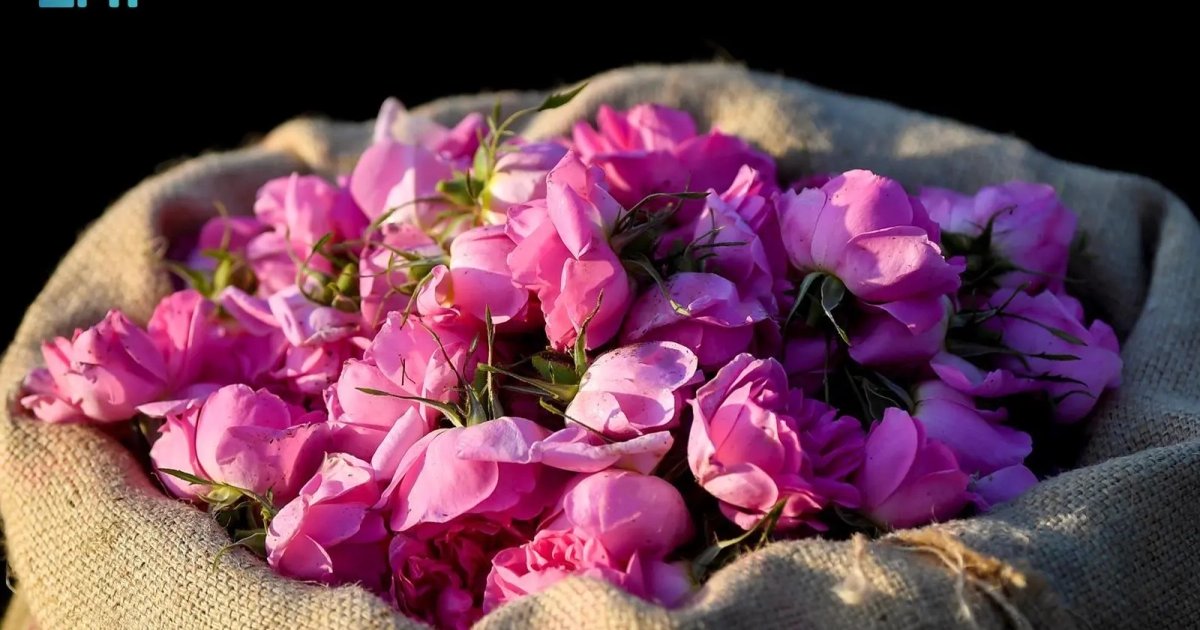
Reports from the Sustainable Agricultural Development Program (Saudi RIF) indicate that the flower sector in Saudi Arabia is experiencing significant growth, with annual productivity increasing by over 15% to meet rising global demand. This sector produces approximately 500 million roses annually from Taif farms, significantly supporting small farmers in the region.
The Taif Governorate, which spans around 700 hectares of rose farms, is a major center for the production of these aromatic flowers. This sector includes about 1,300 farms and relies on 36 perfume factories valued at up to 52 million Saudi Riyals. These factories contribute to enhancing the economic value of roses and providing job opportunities for local farmers.
Event Details
The Saudi RIF program supports this sector by providing technical guidance, funding projects, and assisting in marketing. Additionally, a Rose Producers Association has been established in Taif to enhance cooperation among farmers. Furthermore, the program collaborates with the Food and Agriculture Organization of the United Nations (FAO) to develop initiatives aimed at improving productivity and quality in this sector.
Taif is characterized by its ideal climate, which allows for the cultivation of over 20 types of aromatic plants that require minimal water and low agricultural costs. This climate helps increase productivity and enhances farmers' ability to meet growing demand.
Background & Context
Historically, Taif has been known for rose cultivation, with this tradition dating back several decades. However, the current growth in production reflects changes in the global market, where demand for roses for various purposes, including perfume, medicine, and beverages, is increasing. Estimates suggest that global demand for roses is growing at a rate of 10-15% annually, opening new horizons for farmers in the region.
However, this sector faces several challenges, including a lack of scientific research in developing plant varieties, as well as a scarcity of active agricultural cooperatives that can support small farmers. These challenges may affect farmers' ability to adapt to increasing demand.
Impact & Consequences
The growth in the flower sector not only reflects an increase in production but also indicates the potential to enhance the local economy in Taif. This growth could lead to improved living standards for farmers and boost investments in the agricultural sector. Additionally, government support and international initiatives may contribute to the sustainable development of this sector.
These developments are a positive indicator of Saudi Arabia's ability to diversify its economy away from oil dependency, reflecting the Kingdom's Vision 2030, which aims to enhance non-oil sectors.
Regional Significance
The experience of Taif in flower production serves as a model that can be emulated in other regions of the Arab world. Countries with similar climatic conditions can benefit from this experience to enhance their agricultural production and achieve economic returns. Moreover, cooperation among Arab countries in agriculture can contribute to improving food security and promoting sustainable development.
In conclusion, the flower sector in Taif exemplifies how to sustainably exploit natural resources and reflects modern trends towards agricultural development in the Arab world.