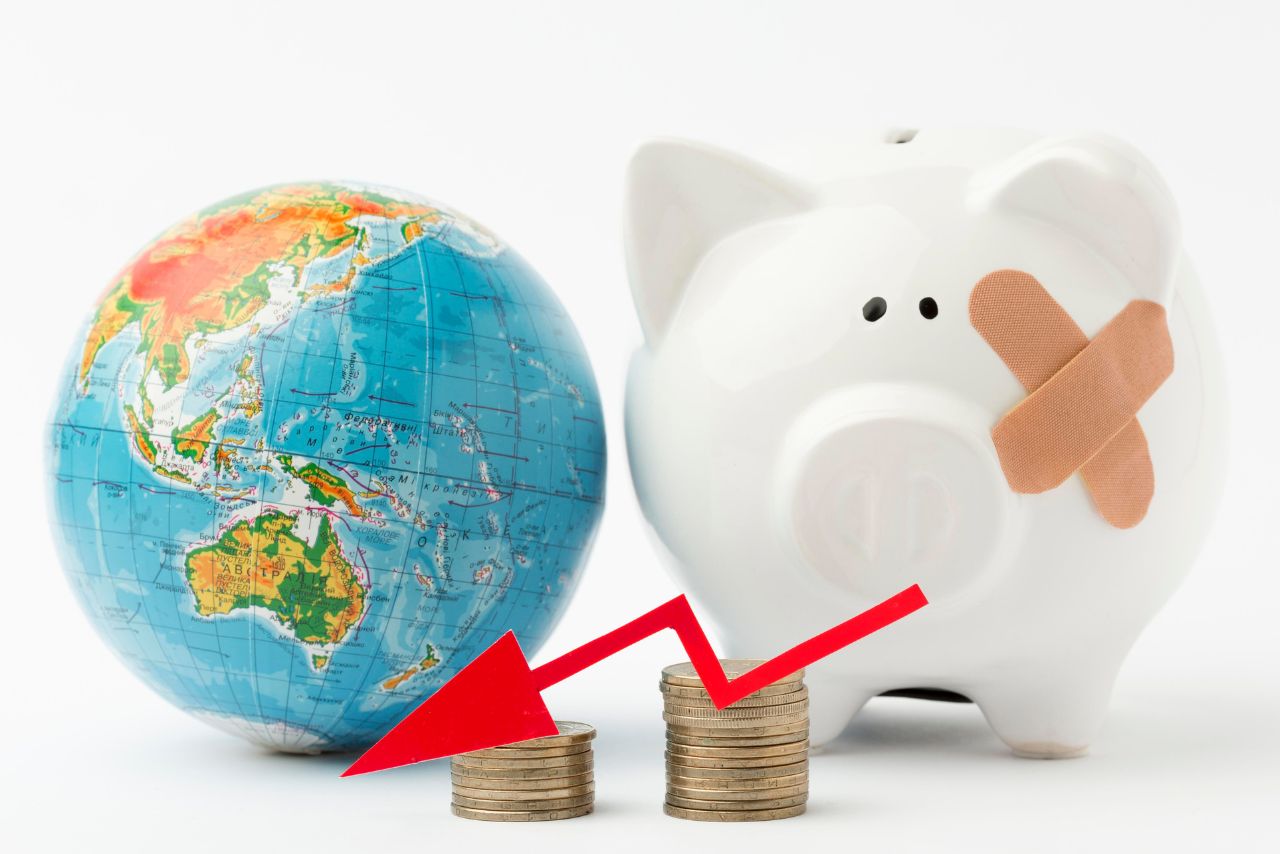
The global arena is witnessing a notable rise in political and economic tensions, with crises overlapping in various regions. This comes at a critical time that requires a coordinated response from major powers.
Amid the increasing crises, global leaders are under scrutiny as they face unprecedented challenges. From regional conflicts to economic crises, the world appears to be in a phase of instability that demands careful analysis and effective responses.
Event Details
Reports indicate that several countries are suffering from multiple crises, ranging from armed conflicts in certain areas to economic crises affecting the lives of millions. At the same time, pressures are mounting on governments to effectively address these crises.
For instance, the Middle East has seen a rise in tensions due to ongoing conflicts, while other countries are grappling with the repercussions of economic crises that have led to increased unemployment rates and deteriorating living conditions.
Background & Context
Historically, the world has witnessed numerous political and economic crises that have impacted the stability of nations. From world wars to financial crises, these events have posed significant challenges to governments and peoples alike. In recent years, these crises have become more complex due to globalization and the interconnection of economies.
These conditions require a coordinated response from the international community, as crises are not limited to a specific region but affect the entire world. Thus, cooperation among nations has become an urgent necessity to confront these challenges.
Impact & Consequences
The repercussions of these crises are manifold, affecting political and economic stability in many countries. These crises are likely to lead to changes in both domestic and foreign policies, potentially altering the global balance of power.
Moreover, these crises may contribute to increasing tensions between nations, which could lead to new conflicts or exacerbate existing disputes. Therefore, a thorough analysis of these crises is essential for understanding the future of international relations.
Regional Significance
Global crises directly impact the Arab region, where many countries are suffering from the repercussions of conflicts and economic crises. Stability in the region heavily depends on how countries address these challenges, necessitating a coordinated response from Arab governments.
In this context, Arab countries must enhance cooperation among themselves to tackle these crises and work towards achieving stability and sustainable development. Strengthening economic and political ties among Arab nations is a crucial step towards achieving these goals.
In conclusion, the current global situation requires a swift and effective response from both major and developing countries alike. International cooperation is the only way to overcome these crises and ensure a more stable future for all.