Health authorities in the country have announced new measures to enhance public health initiatives aimed at combating the spread of measles, which has seen a significant increase in cases over the past few months. This step comes at a critical time, as governments seek to protect the community from infectious diseases that could affect the health of both children and adults.
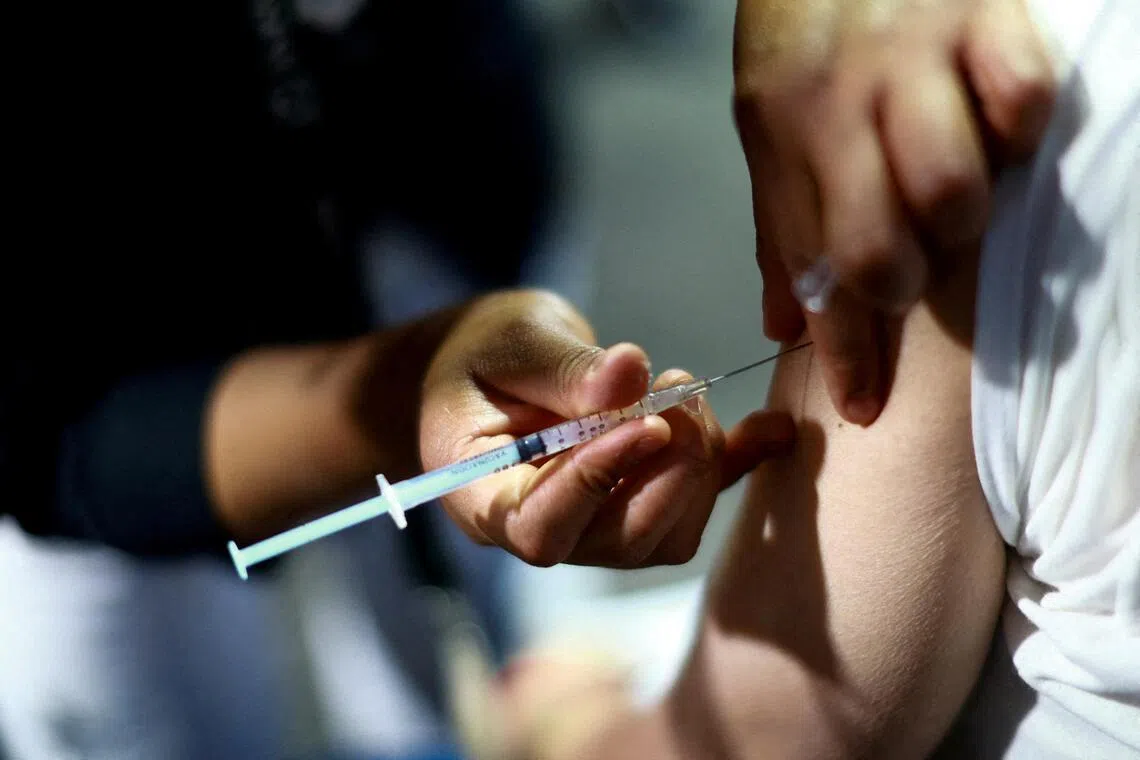
As part of these measures, health awareness campaigns will be intensified, alongside increasing the availability of vaccines at health centers. Medical teams will also conduct field visits to areas that have reported high infection rates to ensure that necessary vaccinations are received.
Details of the Event
Reports indicate that the number of measles cases has risen significantly, raising concerns among health authorities. New cases have been recorded in various regions of the country, necessitating a swift and effective response. These measures aim to reduce the spread of the virus and protect the most vulnerable groups, such as children and pregnant women.
The new plans also include collaboration with educational institutions to inform students and parents about the importance of vaccinations and how to prevent infectious diseases. Workshops and seminars will be organized to share information about measles, its symptoms, and prevention methods.
Background & Context
Measles is considered an infectious disease that can lead to serious complications, especially in children. Historically, many countries have witnessed a rise in measles cases due to declining vaccination rates. In recent years, anti-vaccination movements have contributed to an increase in the spread of preventable diseases.
In this context, the importance of vaccines as an effective means to reduce the spread of infectious diseases is highlighted. Studies have shown that vaccines significantly reduce the risk of contracting measles, making them a vital tool in protecting public health.
Impact & Consequences
The new health measures are an important step towards protecting the community from infectious diseases. If the spread of measles is not controlled, it could lead to an increase in the number of infections and health complications, putting additional pressure on the healthcare system. Furthermore, a rise in infection cases may impact economic and social activities, as authorities may take strict measures to limit the spread of the virus.
Moreover, these measures could lead to increased awareness about the importance of vaccination, which may contribute to improved vaccination rates in the future. It is essential for governments and communities to work together to ensure public health protection and enhance health awareness.
Regional Significance
The issue of measles is a health concern affecting many Arab countries, where some nations have seen a rise in infection cases. Strengthening public health measures to combat measles can serve as a model for other countries in the region. By sharing experiences and collaborating among nations, positive outcomes in public health can be achieved.
Ultimately, prevention remains the best solution to combat infectious diseases. Arab communities must adopt a vaccination culture and enhance health awareness to protect future generations.