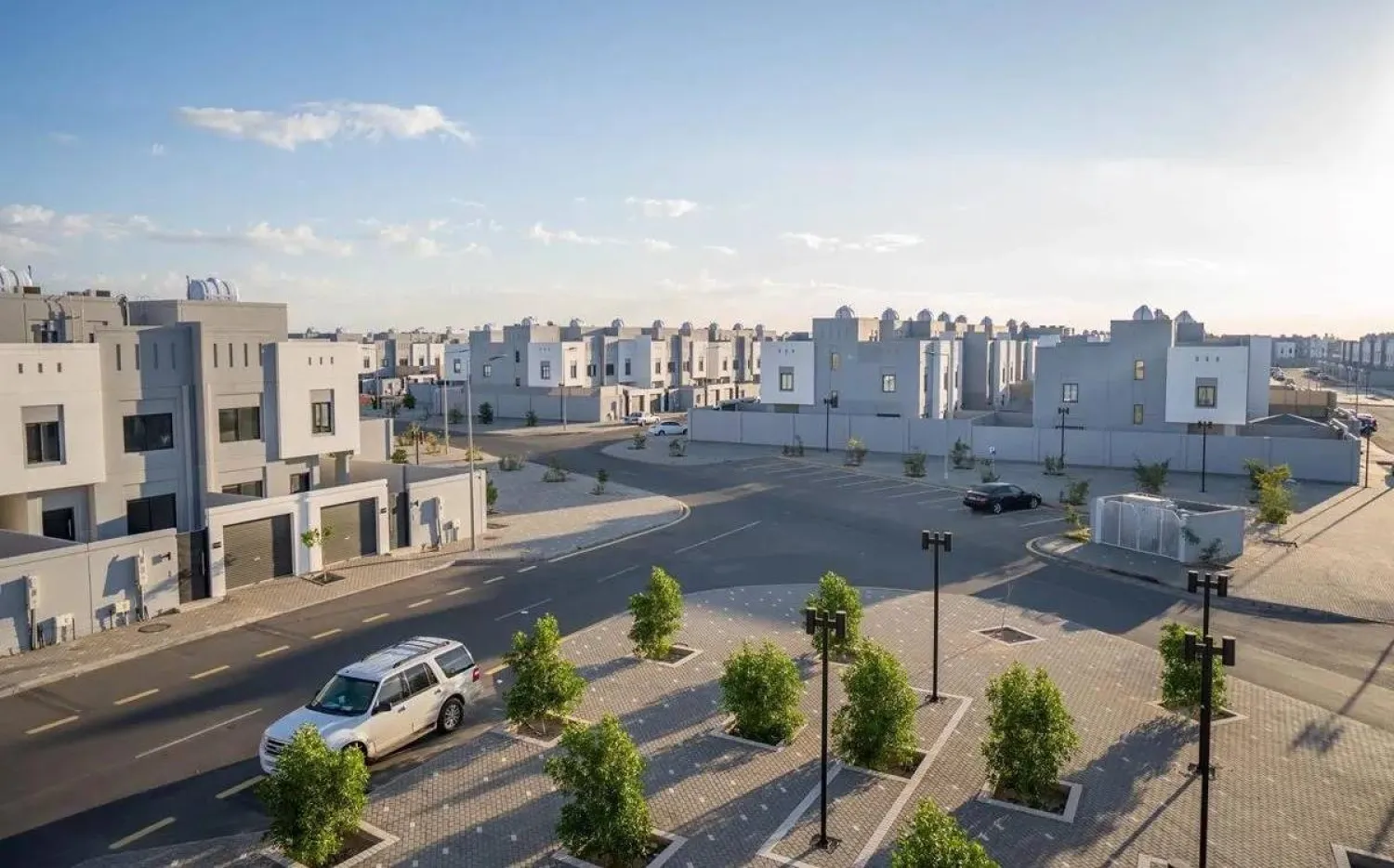
The Saudi government's efforts under the housing program, part of Vision 2030, have accelerated the pace of home ownership among citizens, with the ownership rate rising to approximately 66% over the past decade. This increase is attributed to the provision of financial facilities, digital platforms, and comprehensive regulatory reforms aimed at enhancing stability in the real estate market.
The real estate sector has witnessed a notable transformation, shifting from a gap in supply and demand to a more balanced and efficient system. These transformations have been supported by legislative and regulatory measures that include the development of real estate financing and the expansion of housing options, in addition to recalibrating the market, especially in the capital Riyadh, by providing planned lands at affordable prices and regulating the relationship between landlords and tenants.
Event Details
According to official data, housing policies have enabled over 851,000 families to own their homes, with outstanding mortgage loans exceeding 907 billion riyals. The housing products have varied between land, ready units, self-construction, and off-plan sales, contributing to market stability and improved quality of life.
These reforms also include improving the investment environment in the real estate sector, which has led to attracting more local and international investors. The government is also focusing on developing infrastructure and public facilities, which contributes to enhancing the living standards of citizens.
Background & Context
These efforts are part of Vision 2030 launched by the Saudi Crown Prince, aiming to diversify the economy and reduce dependence on oil. Housing is considered one of the most important sectors the government seeks to develop, given its significance in improving living standards and enhancing social stability.
Historically, home ownership in Saudi Arabia has posed a challenge for many families due to high prices and a lack of supply. However, Vision 2030 has changed this reality by providing innovative solutions and financial facilities suitable for various segments of society.
Impact & Consequences
These transformations in the real estate sector underscore the government's success in achieving its developmental goals, as home ownership contributes to enhancing social and economic stability. Additionally, the increased ownership rate reflects citizens' confidence in government policies and their future directions.
Moreover, improving the investment environment in the real estate sector enhances the market's ability to attract more investments, contributing to the creation of new job opportunities and stimulating economic growth.
Regional Significance
Saudi Arabia's experience in promoting home ownership serves as a model for the Arab region, where many countries face similar challenges in this field. These efforts can inspire other countries to adopt similar policies aimed at improving housing conditions and providing suitable housing opportunities for citizens.
In conclusion, Vision 2030 represents an important step towards achieving sustainable development in Saudi Arabia, as it contributes to improving quality of life and enhancing social stability by facilitating home ownership.