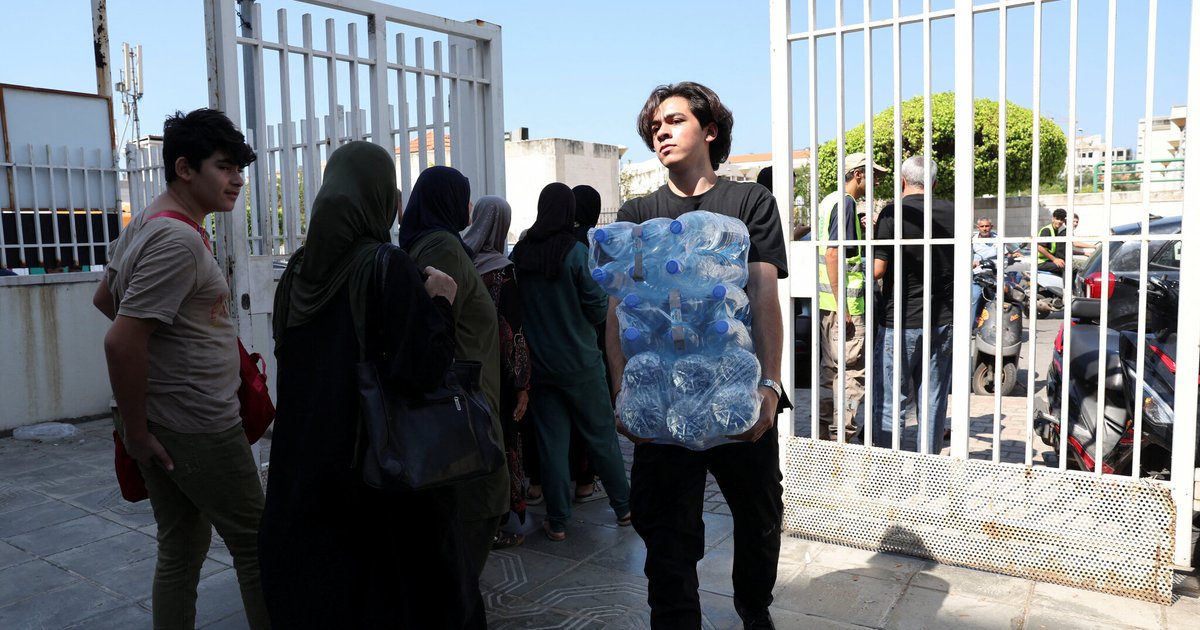
Feelings of hostility towards displaced Shiite communities in Lebanon are on the rise, as continuous airstrikes worsen the state of fear and anxiety among this group. Amid difficult economic conditions, the displaced face increasing challenges related to stability and security.
Reports indicate that airstrikes targeting various regions in the country have led to an increase in evacuation cases, complicating the situation for the displaced. They suffer from a lack of basic resources, placing them in an extremely vulnerable position.
Details of the Situation
Events are unfolding in Lebanon, where Shiite areas are experiencing increased bombardment, raising concerns among the population. Many displaced individuals have indicated that they feel particularly targeted, heightening their sense of insecurity. The current situation presents them with significant challenges, as some are forced to leave their homes in search of safety.
Evacuations are on the rise, with many families compelled to abandon their homes due to ongoing shelling. Reports have shown that many displaced individuals are struggling to find safe shelter, further increasing their suffering.
Background & Context
Historically, Lebanon has witnessed waves of displacement due to armed conflicts and political crises. As the intensity of conflicts in the region escalates, displaced Shiites have become part of the complex landscape in Lebanon. The current situation reflects the sectarian and economic tensions plaguing the country, with increasing polarization among different groups.
The Shiite communities in Lebanon are an essential part of the social and political fabric; however, the current conditions threaten to dismantle this fabric. The economic and political crises affecting the country directly impact the lives of the displaced, complicating the situation further.
Impact & Consequences
Analyses suggest that the current situation may exacerbate sectarian tensions in Lebanon. As hostility towards the displaced increases, the divide between different communities may widen, threatening social stability. These conditions are likely to lead to an outbreak of violence, further increasing the suffering of the displaced.
Moreover, the economic crises afflicting the country could worsen the situation. With rising economic pressures, displaced individuals may find themselves in an even more precarious position, increasing the likelihood of facing discrimination and abuse.
Regional Significance
The plight of displaced Shiites in Lebanon exemplifies the challenges faced by communities in the Arab region. This situation reflects the humanitarian crises escalating in many Arab countries, where displaced individuals endure difficult conditions due to armed conflicts and political crises.
The situation in Lebanon highlights the urgent need for humanitarian support for the displaced, as humanitarian crises know no borders. Regional and international efforts must converge to address these issues, ensuring the rights of the displaced and improving their living conditions.